According to the data accompanying the report, India’s population is projected to grow from the 1.45 billion now to a peak of 1.7 billion in 2064 when the decline begins and register 1.5 billion in 2100, a 12 per cent drop.


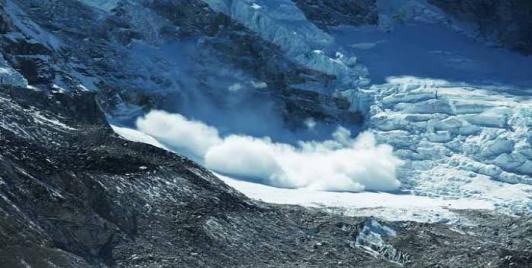
The disasters at Kedarnath and Nepal should therefore be read not simply as tragedies of the past or isolated episodes of extreme weather. They are warnings from a changing mountain system. The question before South Asia is whether we will continue to respond to each disaster after it occurs, or whether we will listen to what the mountains are telling us beforehand.
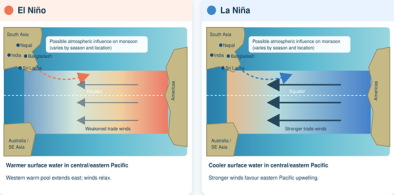
AI may genuinely extend the horizon over which seasonal climate risk can be estimated. For communities across South Asia living under the influence of the monsoon, a longer view could mean the difference between a farmer adjusting her planting in time and a family receiving a flood warning too late to act.
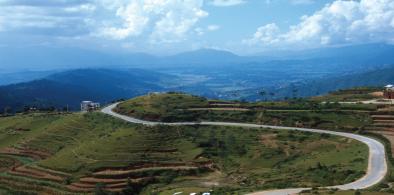
The broader lesson for South Asia is equally important. Hilly regions cannot be developed simply by transferring lowland infrastructure models into mountainous terrain. Investment has to respond to local economic systems, geography and environmental risks.

The UN's 2026 report warns that “long-term water use has exceeded renewable inflows and safe depletion limits,” leaving some water supplies beyond recovery. As the world’s largest groundwater extractor, India sits at the centre of this reckoning
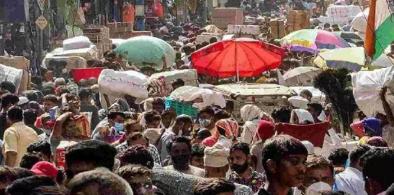
According to the data accompanying the report, India’s population is projected to grow from the 1.45 billion now to a peak of 1.7 billion in 2064 when the decline begins and register 1.5 billion in 2100, a 12 per cent drop.
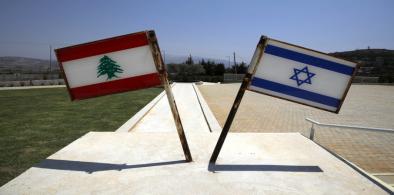
The Indian peacekeepers are a part of the 10,000-strong 49-nation UN Interim Force in Lebanon (UNIFIL) charged by the Security Council to work with Lebanese national forces to keep order in the volatile section known as the Blue Line that separates Lebanon and Israel.
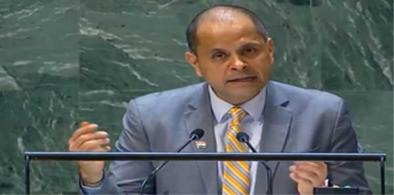
While India does directly take on Pakistan by naming it by exercising its formal right of reply on major issues, New Delhi does not name it on other occasions like on Tuesday to deprive Islamabad of an opportunity to prolong the issue, which is ignored by almost all the other 192 members of the UN, but at the same time making a clear rebuttal.
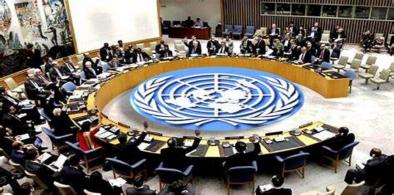
It is high time to bring the Council in line with its Charter responsibility to act on behalf of the entire Membership”, but “this will not be achieved without enhancing the membership in both the categories” permanent and non-permanent, he emphasised.
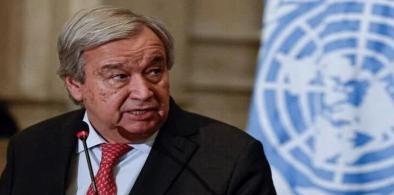
Turning to the role of governments, he said, “Commit to creating and maintaining a free, viable, independent, and plural media landscape”.

The “Mind Over Madness” yoga celebrations at Times Square on Solstice Day has been going on for 22 years, starting a dozen years before the United Nations General Assembly created the International Day of Yoga.
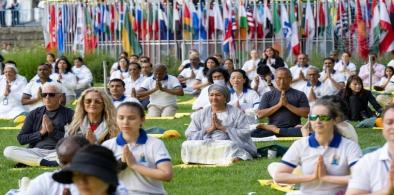
Modi presented the idea of an International Day of Yoga in September 2014 at his first address to the General Assembly, declaring, “Yoga is an invaluable gift from our ancient tradition”.
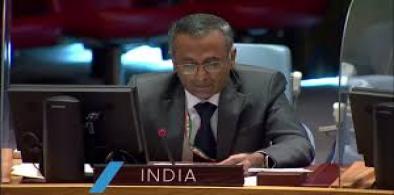
India, he noted, is a member of the Wassenaar Arrangement, an international pact against illegal transfer of arms and dual use items. Pakistan and China are not participants in
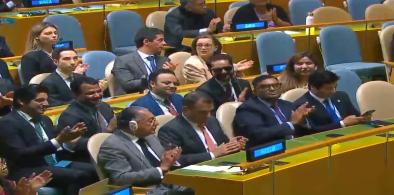
Islamabad’s place in the Council will give it a grandiose soapbox to amplify its campaign on Kashmir, which it has been bringing up even on unrelated matters.
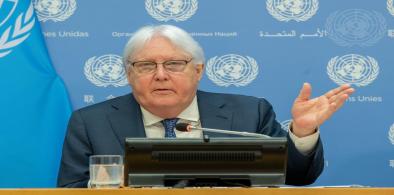
“And those hopes have been dashed. The edicts against women and girls have come one after the other”, he said of the Taliban fiats against education for girls and women working outside the home.
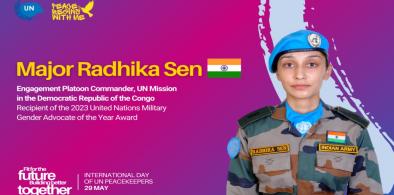
The UN said that Sen, who led mixed-gender engagement patrols and activities, became a role model for both men and women by fostering “a safe space for men and women to operate together under her command”.
“India has become an alternative investment source or destination for many Western companies” he said.

Kale joins the roster of more than 200 Indians who have died in the service of the UN.
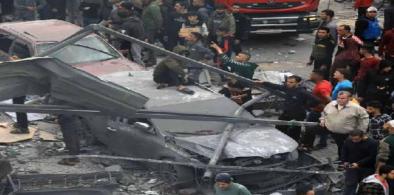
Kale, who worked for the UN Department of Safety and Security (DSS) joins the roster of more than 200 Indians who have died in the service of the UN.
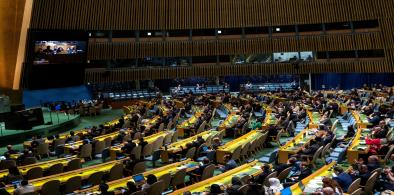
More than 24,000 people, most of them women and children, have been killed in Israel’s attacks on Gaza, from where Hamas launched the attack in which about 1,200 people were killed and about 240 were kidnapped.