With ‘Vasudhaiva Kutumbakam’ -- the world is one family -- as the motto for this year’s G20 Summit to be held in India, it is perhaps a good time to remind South Asian governments that they, too, are part of one region


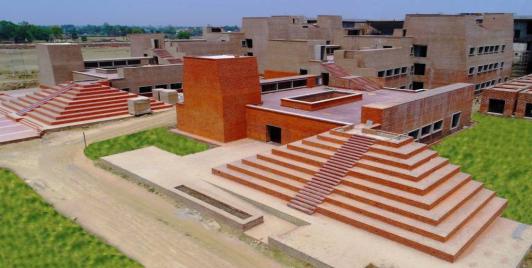
Nalanda serves as a counterweight to the historic monopoly of Western universities over social, political, and ecological theory. It invites Asian and African scholars to address regional dilemmas such as resource sovereignty, post-colonial statehood, and sustainable modernization using indigenous analytical categories.
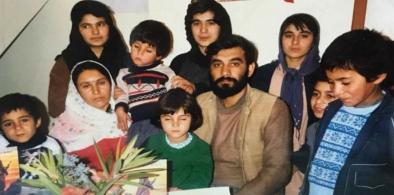
The daughters and granddaughters of these warlords, like those of several key Taliban commanders, live and study abroad. Sabori’s school in Archi is half-closed, owing to the ban on education for girls over 12 years of age. Several underground schools have sprung up where even some Taliban foot-soldiers send their daughters.
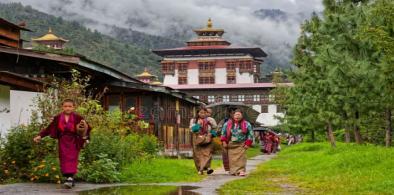
As democracies around the world confront public dissatisfaction, Bhutan reminds us that the health of a democracy cannot be measured only through the ballot box. It must also be evaluated through the well-being, dignity, security, and trust experienced by citizens.
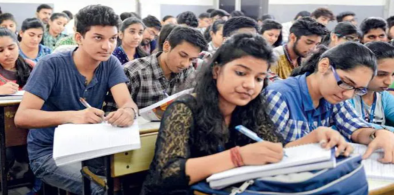
India's digital infrastructure can certainly deliver free coaching to millions. But an even greater achievement would be to build an education and employment system in which families no longer feel compelled to buy coaching in the first place. Making bottled water cheaper is useful. Making the water from taps trustworthy is the real solution.
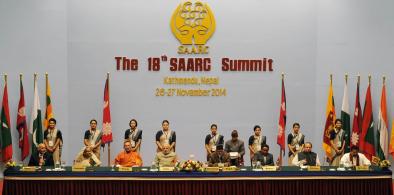
With ‘Vasudhaiva Kutumbakam’ -- the world is one family -- as the motto for this year’s G20 Summit to be held in India, it is perhaps a good time to remind South Asian governments that they, too, are part of one region
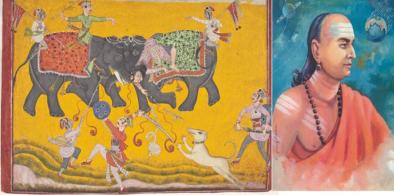
In the past, all great thoughts from India went abroad after they were practiced in India for quite some time. Thus, there is a need for our own population to be tolerant of different shades of opinion and use technology to light up the lives of the rural poor.

With the very limited government money on offer and the need for protection being almost universal, the states would do well to use that money instead to offer an insurance plan that covers their entire population (the poor and the non-poor) for only a limited number of very expensive and very rare conditions.
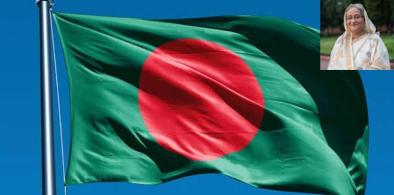
Prime Minister Hasina has repeatedly said that infrastructure development has been happening at a massive rate in Bangladesh that will attract foreign investors.
Traditional Indian wisdom teaches us that we are not separate from nature, that all forms of life are connected and inseparable from the rhythm of the planet – the air, the mountains, the forests, the seas and the sun. If this thinking is allowed to take root again, sustainability is already achieved.
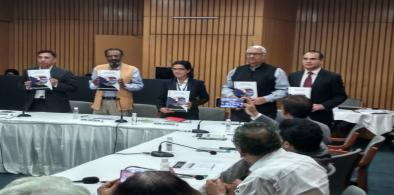
CUTS report launch - "Multimodal Connectivity for Shared Prosperity - Towards Facilitating Trade in th BBIN Subregion"
An economic crisis should not become a matter of party polemics unless the problem lies in management. Bangladesh’s economic recession is largely attributed to the pandemic and the Ukraine war and has the least to do with economic management. As a result, it is a state matter, and requires a consensus among the political parties to deal with it effectively.
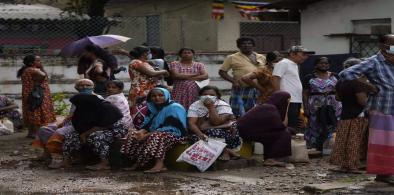
If the postponement of local body polls means less democracy for some time, let it be so, and it is in the interest of Sri Lanka.

While campaigns for honesty in public and private life by various sources have been taking place for a long time in the country, this has not seen any reduction in the level of corruption in India. The repeated catching of corrupt persons by the vigilance department has also not yielded many benefits as they are only the proverbial tip of the iceberg.

Thus reading, listening to great stories, discussing interesting issues in schools, will help children learn to focus and will help them to reduce their fears and make them better citizens.

Authoritarian party leaders and military or religious dictators do not wish to confront alternative ideas or opinions; so there is always an attempt to suppress the ‘other’ voices, both offline and online. These often lead them to put citizens into an eco-chamber where only praising of the power structure gets heard and echoed. Tolerance is the first victim of this, and the next is free speech, and then freedom in general.
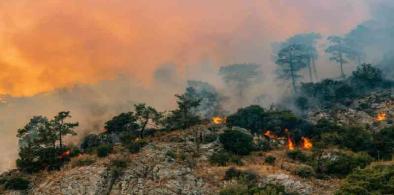
‘Can Interfaith Collaboration Contribute to Climate Justice?’ -- the discussion was the fifteenth in the Sapan series ‘Imagine! Neighbours in Peace’.

Love for book reading cannot take place overnight. All of us need to work together to make our children get into the habit of reading books. So on every occasion, we should gift books to children.
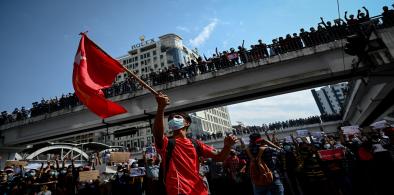
The Tatmadaw's violence, repression, and civil war in Myanmar have left people living in perpetual fear and uncertainty. The international community must restore democracy to Myanmar's youth and give displaced people like the Rohingyas new hope.
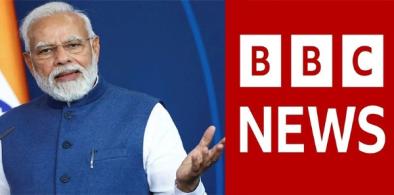
BBC has since decades been projecting the Indian Army and security forces who have been bearing the brunt of terrorism in J&K and the Northeast for decades as violators of human rights, very often at the behest of terrorist organisations through their overground representatives and separatists.