If we can reduce this anxiety by a combination of drugs and yoga, then maybe we will be able to produce a happier and less conflict-driven society and world, writes Anil. K Rajvanshi for South Asia Monitor


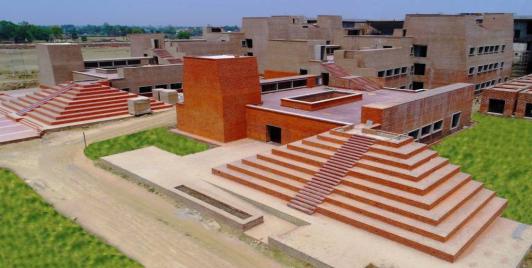
Nalanda serves as a counterweight to the historic monopoly of Western universities over social, political, and ecological theory. It invites Asian and African scholars to address regional dilemmas such as resource sovereignty, post-colonial statehood, and sustainable modernization using indigenous analytical categories.
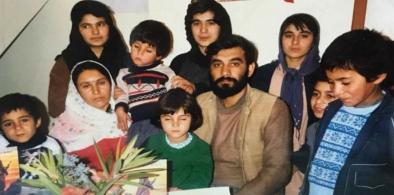
The daughters and granddaughters of these warlords, like those of several key Taliban commanders, live and study abroad. Sabori’s school in Archi is half-closed, owing to the ban on education for girls over 12 years of age. Several underground schools have sprung up where even some Taliban foot-soldiers send their daughters.
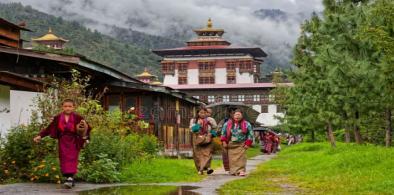
As democracies around the world confront public dissatisfaction, Bhutan reminds us that the health of a democracy cannot be measured only through the ballot box. It must also be evaluated through the well-being, dignity, security, and trust experienced by citizens.
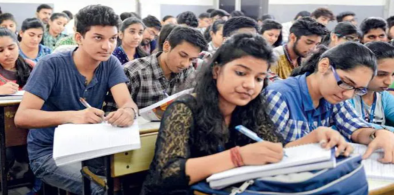
India's digital infrastructure can certainly deliver free coaching to millions. But an even greater achievement would be to build an education and employment system in which families no longer feel compelled to buy coaching in the first place. Making bottled water cheaper is useful. Making the water from taps trustworthy is the real solution.

If we can reduce this anxiety by a combination of drugs and yoga, then maybe we will be able to produce a happier and less conflict-driven society and world, writes Anil. K Rajvanshi for South Asia Monitor

Jawaharlal Nehru was pained by the abuse of religion by peddlers of blind faith and those using religion as a cover for their political goals, writes Dr Ram Puniyani for South Asia Monitor
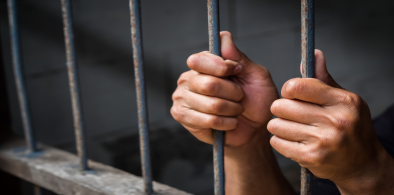
A proper monitoring of cases right from the remand stage, with a detailed look at whether the demand of the investigating agencies is justified, will set the ground for a more responsive and responsible investigative machinery

Until recently, the Awami League has given load shedding free electricity facility to 100% of the people of the country. But now, as a result of the Russia-Ukraine war, the global energy crisis has hit Bangladesh as well, writes Sufian Siddique for South Asia Monitor
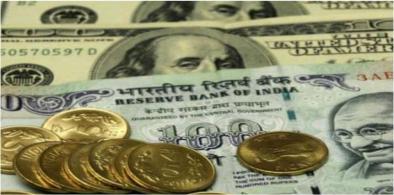
The coming months will call for deft macroeconomic management of the twin deficits, on the external and internal front. A higher fiscal deficit invites higher interest rates. And a higher trade deficit invites a weaker rupee

That we were far more technically advanced and superior than what our western and leftist historians would like us to believe isn't a notion but a fact backed and supported by archaeological findings like in Dwarka, Sinauli, Mehrgarh and Hampi
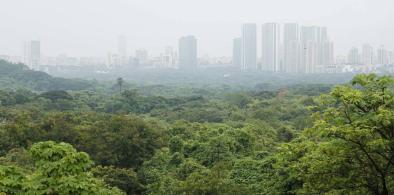
The BJP and Metro Rail deny that Aarey is a forest. The real fear is that the builders will gradually convert the forest into a real estate bonanza, sooner or later
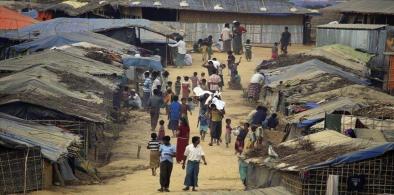
Bangladesh has suffered greatly as a result of the massive inflow of Rohingya after suffering torture and atrocities committed by the Myanmar junta

“We are delighted to join hands with GiveIndia, given the significant and complementary strengths of both organizations,” said Indiaspora’s Founder and Chairman of the Board MR Rangaswami. “Leveraging Indiaspora’s network of prominent Indian diaspora leaders and GiveIndia’s network of on-the-ground nonprofit partners, we look forward to accelerating global philanthropic giving to India.”

Evolution is driven by the desire to reproduce. Thus, sex desire is the most powerful desire in a living being

The UN High Commission for Refugees (UNHCR) has operations in more than 130 countries. In places where people are already displaced, Agniveers could help them prepare for and adapt to climate change
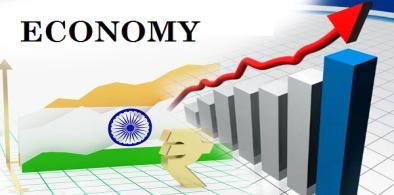
India is a nation where, under current laws, only 3 percent of the citizens need to file an income tax return, and only 1 percent is actually found to annually have earned a taxable income. The majority of Indians, who are engaged in agriculture, are not required to pay income tax at all
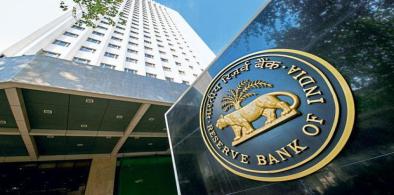
The political instability in a large and industrialized state like Maharashtra is not helping. Instability means inaction or even paralysis in decision making, since policy makers are distracted in tackling the political situation
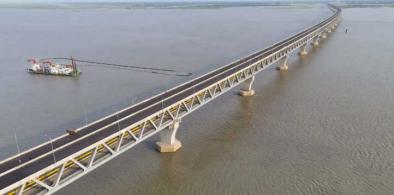
The Padma Bridge will make international investors, including Saudi companies, to give a serious look at Bangladesh as an investment destination

The need of the hour is to adopt a rights-based approach to environmental protection that places the people harmed by environmental degradation at its centre