

Energy Cooperation: A Quiet Success Story in South Asia
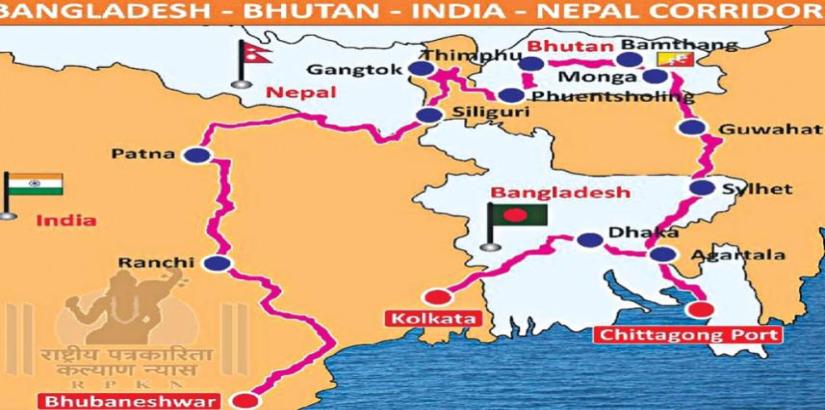
A big development happened in 2025. Nepal started exporting electricity to Bangladesh through India's transmission network. This was the first time Nepalese hydropower was commercially transmitted to Bangladesh via Indian territory. The initial export volume was 40 megawatts. The significance of the agreement is much bigger. It showed that regional energy cooperation can overcome political barriers.
 Jun 18, 2026
South Asia is often seen as a place of tensions, border disputes and strategic rivalries. There is a quiet success story unfolding. Energy connectivity is becoming an example of regional cooperation. It shows how shared economic interests can bring countries together in a complex political environment.
South Asia is home to two billion people. The region faces a growing need for affordable and sustainable energy. Cities are growing fast. Populations are increasing. This is putting a lot of pressure on energy systems. Each country in the region has energy resources. Nepal and Bhutan have a lot of hydropower potential. Bangladesh needs electricity. India is both a producer and a crucial transit hub. These differences create opportunities for -border energy trade that benefit all countries involved.
BBIN Leading the Way
The Bangladesh-Bhutan-India-Nepal (BBIN) sub-region is leading the way in energy cooperation. Over the past decade electricity trade among these countries has grown significantly. This is thanks to power grids and transmission networks. According to the World Bank, an integrated regional electricity market could save South Asian countries billions of dollars. It could also improve energy security. Support economic growth. Such cooperation allows countries to share resources efficiently. It reduces the costs associated with developing energy systems.
A big development happened in 2025. Nepal started exporting electricity to Bangladesh through India's transmission network. This was the first time Nepalese hydropower was commercially transmitted to Bangladesh via Indian territory. The initial export volume was 40 megawatts. The significance of the agreement is much bigger. It showed that regional energy cooperation can overcome political barriers. This can happen when there is political will and mutual benefit.
For Nepal energy exports provide access to markets and revenue opportunities. The country has hydropower potential due to its Himalayan river systems. Much of this capacity remains underutilized. For Bangladesh imports of hydropower help diversify energy sources. This supports long-term energy security. For India facilitating electricity trade strengthens its position as a key connector in South Asia. It contributes to regional stability. The arrangement shows how energy connectivity can generate win-win outcomes for stakeholders.
Cross-Border Power Trade
The growth of cross-border electricity trade in South Asia has been remarkable. Regional electricity exchanges have expanded steadily over the past decade. Governments recognize the environmental benefits of cooperation. Transmission capacity between neighboring countries has increased substantially. This creates a foundation for integration. As renewable energy becomes more important in energy strategies regional grids offer opportunities to balance supply and demand more effectively across borders.
Energy connectivity also aligns with the region's climate goals. Asian countries are among the most vulnerable to climate change. They face rising temperatures, extreme weather events and environmental degradation. At the time they must meet growing energy demands while reducing carbon emissions. Cross-border power trade can play a role in this transition. It enables countries to access sources of energy. Hydropower from Nepal and Bhutan can help reduce dependence on fuels in neighboring states. This supports decarbonization efforts.
Energy cooperation carries diplomatic implications. In a region where political disputes often hinder cooperation, energy trade has emerged as a relatively depoliticized area of engagement. Unlike issues related to borders or security, electricity trade is driven by practical needs and mutual benefits. As a result it has often continued during periods of diplomatic tension. This shows how functional cooperation can build trust and create incentives for collaboration.
The success of energy connectivity offers lessons for organizations like BIMSTEC. While South Asia has often struggled to achieve economic integration, energy cooperation shows that progress is possible. This happens when initiatives focus on shared interests rather than divisive political issues. Expanding power markets, investing in transmission infrastructure and harmonizing regulatory frameworks could deepen cooperation. It could contribute to regional integration.
Cooperation is Possible
Challenges remain. Infrastructure gaps, financing constraints and regulatory differences continue to limit the scale of cross-border electricity trade. Political changes within countries can also affect long-term commitments to regional projects. Realizing the potential of South Asia's energy resources will require sustained investment, policy coordination and institutional support.
Despite these obstacles energy connectivity represents one of the encouraging developments in contemporary South Asian diplomacy. It shows that cooperation is possible in a region often characterized by fragmentation and mistrust. Importantly it shows that connectivity can serve as a powerful diplomatic tool. It creates interests that transcend national boundaries.
As South Asia seeks pathways toward prosperity and stability, energy cooperation offers a compelling model for the future. By linking power grids, sharing resources and building dependence countries are not only improving energy security. They are also laying the foundations for regional relationships. In a region where grand political breakthroughs are often elusive, the quiet success of energy connectivity may prove to be one of the most important diplomatic achievements of the twenty-first century.
(The author is an undergraduate student at the Department of International Relations, Jahangirnagar University, Dhaka, Bangladesh. Views expressed are personal. She can be reached at jannatorin29@gmail.com. )





Post a Comment