Having a porous border with Pakistan and Afghanistan, Iran should focus more on institutionalized Shia killings in these countries, not Gulf states normalizing relations with Israel, writes Lt Gen P. C. Katoch (retd) for South Asia Monitor


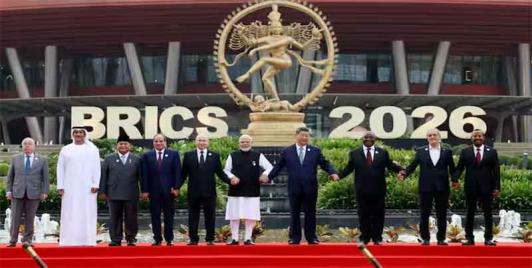
By removing the ‘Indo’ prefix from Indo-Pacific the US implicitly acknowledges that it no longer unilaterally defines the eastern strategic landscape. Regional organisations like BRICS continue to redefine the lexicon of ‘rules-based order’ to insulate themselves from western domination.
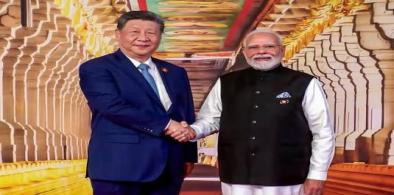
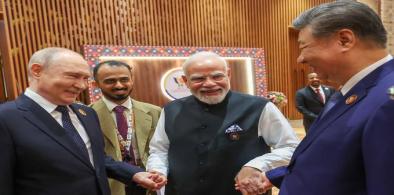
The bilateral discussion between Prime Minister Narendra Modi and Chinese President Xi Jinping on the sidelines of the 18th BRICS Summit indicates surge in mutual ties, particularly by way of trade. However, little can be expected by way of full settlement of the boundary dispute.
The timing of the EU announcement coincided with the BRICS+ Summit in New Delhi, creating speculation about whether the EU was seeking to reinforce its strategic engagement with India amid the growing influence of the BRICS grouping.
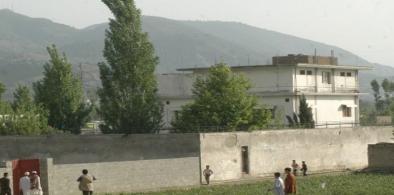
Abbottabad itself is symbolic. Just 30 miles north of Islamabad, along the historic Karakoram Highway, it is home to Pakistan’s premier military academy. For bin Laden to live there undetected is not simply a mystery—it is a reminder of the uncomfortable realities of counterterrorism

Having a porous border with Pakistan and Afghanistan, Iran should focus more on institutionalized Shia killings in these countries, not Gulf states normalizing relations with Israel, writes Lt Gen P. C. Katoch (retd) for South Asia Monitor

COVID-19 has ushered in a global movement for cycling and India is slowly catching up to that trend with cycling to work, cycling for leisure and fitness becoming more acceptable than ever before, writes Pankaj M Munjal for South Asia Monitor

Integrating complementary approaches into the primary care setting will help widen its reach and efficacy and help India promote a healthcare service delivery model that will be unique in its approach and act as an example for developing countries across the world, writes K R Raghunath for South Asia Monitor
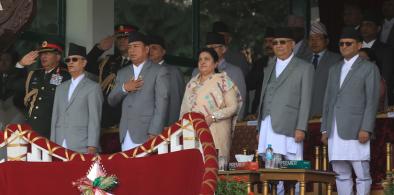
The ambitious provisions of fundamental rights mentioned in Nepal’s Constitution would lose its charm if the state turns a deaf ear in giving effect to its provisions in a true and material sense, writes Jivesh Jha for South Asia Monitor
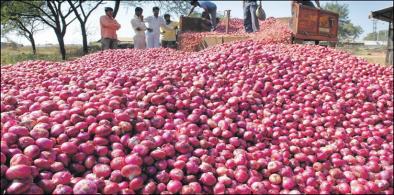
Onions may just be a singular example but if unwritten undertakings are violated, the saga of bans exemplify a larger story of how a trust deficit ensures that trade within South Asia remains perhaps the lowest in the world, writes N Chandra Mohan for South Asia Monitor

The new defence agreement is a clear shift in the Maldives position towards the US after a period when the government in Male forged close economic and political ties with Beijing, writes Shubha Singh for South Asia Monitor

The progress of India’s air bubble agreements with neighbouring South Asian countries bears watching in the period ahead, writes N Chandra Mohan for South Asia Monitor
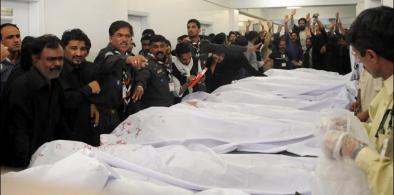
Though, the Pakistan government does not officially support discrimination against Shias, it is failing to efficiently counter the influence of extremists and bring an end to violence against the community, writes Sanchita Bhattacharya for South Asia Monitor
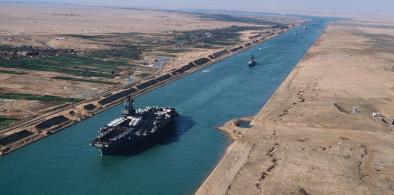
Had the Kra Canal come up, China would have taken control of it in all probability like the Hambantota Port in Sri Lanka giving it a tremendous strategic advantage, writes Lt Gen P. C. Katoch (retd) for South Asia Monitor

With the setting up of world-class education at low cost India will begin to attract students from neighbouring countries like Bangladesh, Maldives, Afghanistan, Nepal, and Sri Lanka for whom it is the first choice of destination when it comes to studying abroad, writes Dr. Sheenu Jain for South Asia Monitor
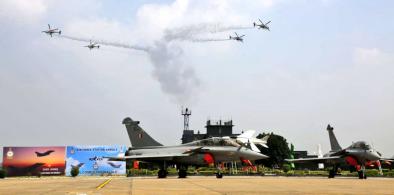
The Ambala media extravaganza ought to encourage an internal review by the Modi government about strategic communication and related signalling in matters military. Carry a big stick but talk softly is an adage that has not lost its relevance, writes C Uday Bhaskar for South Asia Monitor
Trade instruments like the South Asian Free Trade Area (SAFTA) and the Indo-Sri Lanka Free Trade (ISFTA) agreements are some of the gainful tools with which the US can use to access South Asia’s consumer markets, write Srimal Fernando and Vedangshi Roy Choudhuri for South Asia Monitor

It is high time that the child marriage rate - gone up during the pandemic - should be brought down drastically and for this, the Bangladesh government, NGOs, and society at large should work together to put an end to this menace, writes Sarmin Akter for South Asia Monitor
Cross border marriage, i.e., matrimony between Nepali son/daughter and India’s son/daughter, is very common in bordering districts of Uttar Pradesh and Bihar. This is the reason why Nepal's Madheshis treat Indian soil as their relatives’ home, not a foreign land, write Jivesh Jha & Roshan Kumar Jha for South Asia Monitor
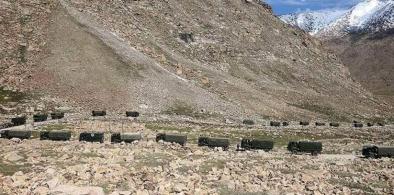
The Chinese had realised that not only were they outnumbered but totally outflanked, making their position untenable. Any armed clash hereafter would have been suicidal, writes Anil Bhat for South Asia Monitor