The world has moved on, but Pakistan - and its ideological fellow traveler, the Taliban - seem to be caught in a regressive time warp from which it is unable to extricate itself, writes Tarun Basu for South Asia Monitor


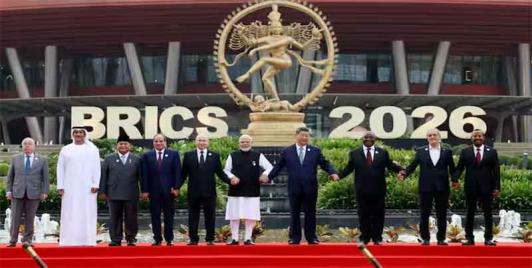
By removing the ‘Indo’ prefix from Indo-Pacific the US implicitly acknowledges that it no longer unilaterally defines the eastern strategic landscape. Regional organisations like BRICS continue to redefine the lexicon of ‘rules-based order’ to insulate themselves from western domination.
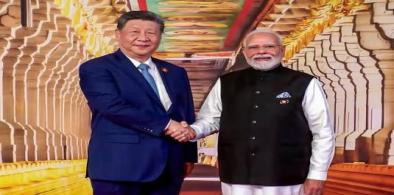
The bilateral discussion between Prime Minister Narendra Modi and Chinese President Xi Jinping on the sidelines of the 18th BRICS Summit indicates surge in mutual ties, particularly by way of trade. However, little can be expected by way of full settlement of the boundary dispute.
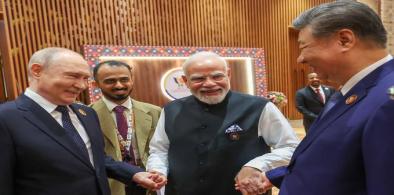
The timing of the EU announcement coincided with the BRICS+ Summit in New Delhi, creating speculation about whether the EU was seeking to reinforce its strategic engagement with India amid the growing influence of the BRICS grouping.
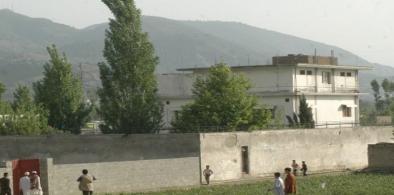
Abbottabad itself is symbolic. Just 30 miles north of Islamabad, along the historic Karakoram Highway, it is home to Pakistan’s premier military academy. For bin Laden to live there undetected is not simply a mystery—it is a reminder of the uncomfortable realities of counterterrorism
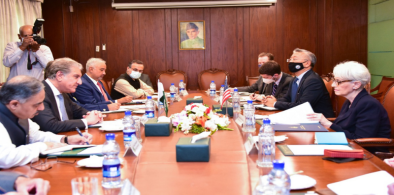
The world has moved on, but Pakistan - and its ideological fellow traveler, the Taliban - seem to be caught in a regressive time warp from which it is unable to extricate itself, writes Tarun Basu for South Asia Monitor

India’s dependence on China in the telecom sector is unlikely to reduce in the foreseeable future, writes N Chandra Mohan for South Asia Monitor
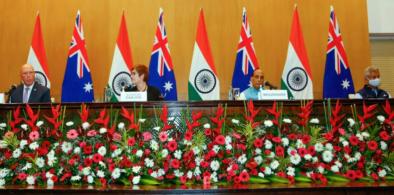
While forging these dialogues, India should not forget Bangladesh as the interests of the two neighbors are increasingly converging in recent times, writes Shubham for South Asia Monitor
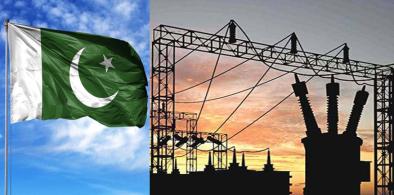
The Pakistan government has set a target of generating at least 20 percent renewable energy by 2025 and at least 30 percent in the next five years, writes Haris Mushtaq for South Asia Monitor
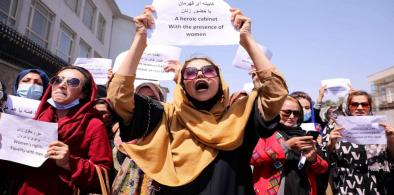
It is in India’s strategic interest to continue its engagement with the Taliban, but withhold any official recognition, and continue to wait and watch to see if the regime’s assurances are matched by its deeds, writes Nisha Sahai Achuthan for South Asia Monitor
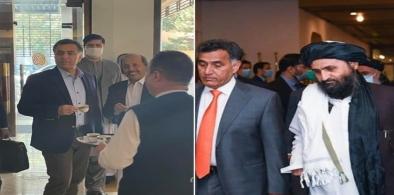
Engagement with the Taliban and the latter’s return to the driver’s seat in Afghanistan allows Pakistan to bring the Afghanistan issue to the forefront of the ‘South Asia regional security architecture’, writes Anuttama Banerji for South Asia Monitor
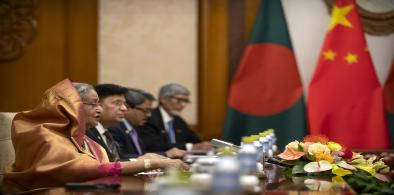
China’s growing investment and expanding economic activities in Bangladesh do not necessarily enable it to influence Dhaka’s foreign policy decisions, or seize infrastructure if loans are not repaid, or even potentially secure its support in a regional conflict, writes Rupak Bhattacharjee for South Asia Monitor
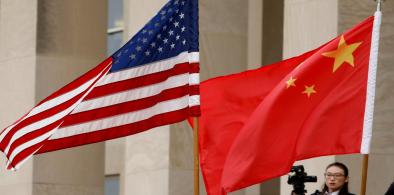
The bond between US intelligence agency CIA and Pakistan’s Inter-Services Intelligence (ISI) is well known and recently declassified British documents reveal MI-6 connived with Pakistan and Taliban in Afghanistan, writes Lt Gen P. C. Katoch (retd) for South Asia Monitor
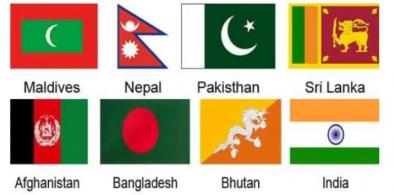
The most important challenge for South Asia is to revive livelihoods, which the crisis has devastated across the region, writes Partha Pratim Mitra for South Asia Monitor
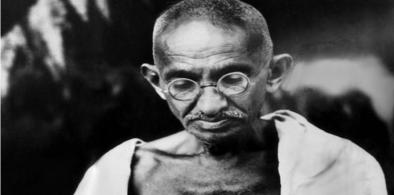
Paradoxically, but not surprisingly, over the last six decades, the collective commitment to truth as a principle to be adhered to with Gandhian conviction has been diluted progressively, writes Cmde C Uday Bhaskar (retd) for South Asia Monitor
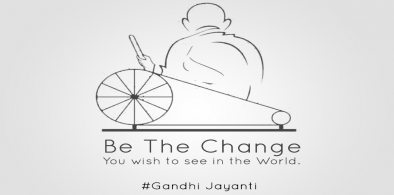
Gandhi believed in all-inclusive growth and felt that India can only become a great nation when its teeming and impoverished rural masses become better off, writes Anil K. Rajvanshi for South Asia Monitor
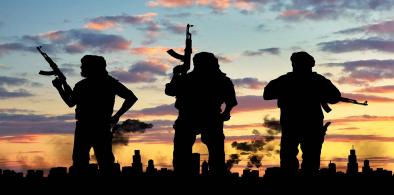
Terrorists and extremists need discourses in the inculcation of eternal moral values and practicing of yoga and meditation that can contribute immensely to attaining a perfect and balanced personality as described in ancient Indian classical texts, writes Prof. Sudhanshu Tripathi for South Asia Monitor

If Lata’s ‘Allah, Karam Karna’ and ‘Allah Reham” are popular among the Muslims, two of the Indian cinema’s best bhakti (devotional) songs, “Allah Tero Naam Ishwar Tero Naam” and “Prabhu Tero Naam” are sung six decades after she rendered them in Hum Dono, writes Mahendra Ved for South Asia Monitor
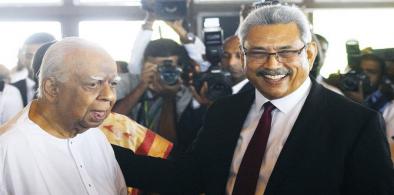
A section of the diaspora has taken a line that it needs to bury the past and open a line with India, which many blame for the plight of the Sri Lankan Tamils, writes M.R. Narayan Swamy for South Asia Monitor
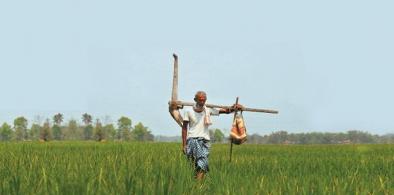
But will this productivity-driving initiative really take off when the most prosperous farmers belonging to the vanguard agrarian regions of Punjab, Haryana and western Uttar Pradesh firmly remain on the path of agitation against government efforts to fix agriculture through reform? writes N. Chandra Mohan for South Asia Monitor