Better connectivity in this region would facilitate the establishment of trade linkages with other regions through platforms such as the BIMSTEC, SAARC, and ASEAN, writes Partha Pratim Mitra for South Asia Monitor


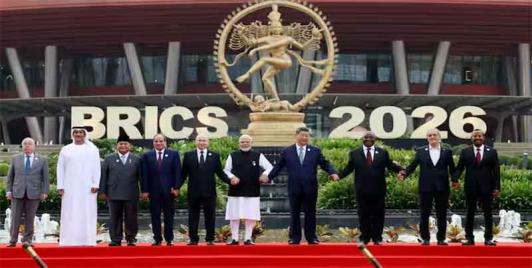
By removing the ‘Indo’ prefix from Indo-Pacific the US implicitly acknowledges that it no longer unilaterally defines the eastern strategic landscape. Regional organisations like BRICS continue to redefine the lexicon of ‘rules-based order’ to insulate themselves from western domination.
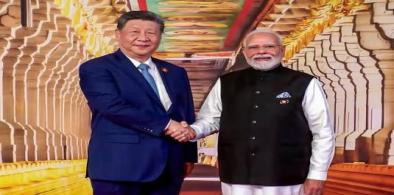
The bilateral discussion between Prime Minister Narendra Modi and Chinese President Xi Jinping on the sidelines of the 18th BRICS Summit indicates surge in mutual ties, particularly by way of trade. However, little can be expected by way of full settlement of the boundary dispute.
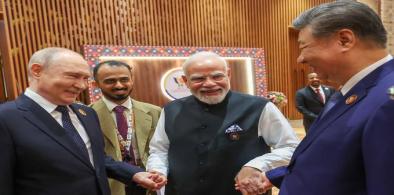
The timing of the EU announcement coincided with the BRICS+ Summit in New Delhi, creating speculation about whether the EU was seeking to reinforce its strategic engagement with India amid the growing influence of the BRICS grouping.
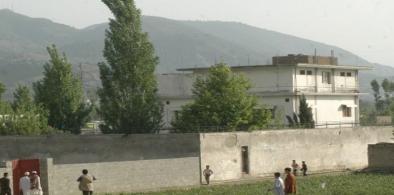
Abbottabad itself is symbolic. Just 30 miles north of Islamabad, along the historic Karakoram Highway, it is home to Pakistan’s premier military academy. For bin Laden to live there undetected is not simply a mystery—it is a reminder of the uncomfortable realities of counterterrorism
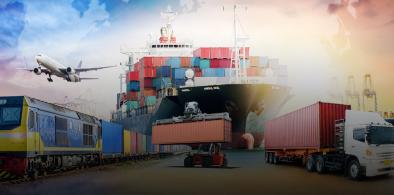
Better connectivity in this region would facilitate the establishment of trade linkages with other regions through platforms such as the BIMSTEC, SAARC, and ASEAN, writes Partha Pratim Mitra for South Asia Monitor

For Sher Bahadur Deuba’s government, the acid test of preserving Nepal’s core interests and increasing its bargaining capacity vis-à-vis India and China will depend on how the Nepalese leadership responds to the emerging geopolitical and geoeconomic imperatives in the region, writes Zahoor Ahmad Dar for South Asia Monitor
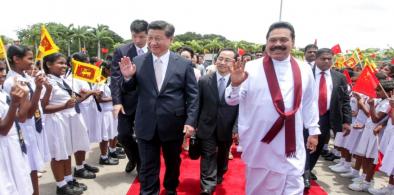
Given Sri Lanka’s strategic location in the Indian Ocean, China has developed huge stakes in the island nation, writes N. Chandra Mohan for South Asia Monitor
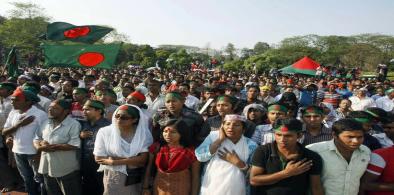
Fifty years after its liberation from Pakistan, Bangladesh is the reverse image of the country it broke away from -- a moderate Muslim majority nation anchored in its liberal syncretic Bengali culture that guided its 1971 secession from Pakistan, writes Subir Bhaumik for South Asia Monitor
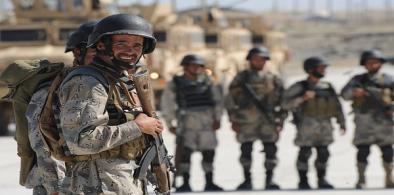
In stark contrast with Pakistan, which relied on hard power tools to pursue its foreign policy goals in Afghanistan, India opted for the soft power strategy --winning hearts and minds of Afghans by investing in common people through culture, building state capacities, and training and educating a new young professional Afghan class, writes Shraddha Nand Bhatnagar for South Asia Monitor

Collectively the peacebuilders, physicians and public-health activists from across South Asia noted that inequity is the key challenge and asked their governments to address it properly so that the lessons of the past year are not forgotten, writes Rida Anwar for South Asia Monitor

In Zoramthamga, a former rebel leader and now chief minister of India's northeastern state of Mizoram, India has a potential mediator who has close links with all stakeholders in Myanmar, including the Tatmadaw and Aung Saan Suu Kyi's NLD, writes Subir Bhaumik for South Asia Monitor
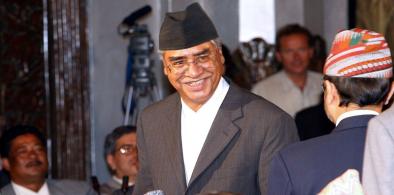
The upheaval in Nepalese politics over the past few months has occurred following a power tussle within the ruling Communist-led dispensation despite the best efforts of Hou Yanqi, China’s ambassador to Nepal since 2018 to resolve it, writes Lt Gen P. C. Katoch (Retd) for South Asia Monitor
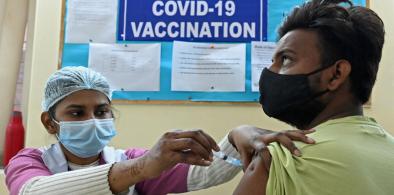
Unlike the US, vaccine hesitancy among large sections of the population is not an issue in India, but production is, writes Frank F. Islam for South Asia Monitor

Labor economists and various surveys have said the pandemic and consequent job and income losses have pushed tens of millions of Indians into poverty in the last few months, writes Vaibhavi Pingale for South Asia Monitor
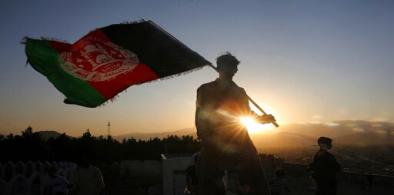
I believe that as an Afghan and as a youth, after the full withdrawal of US troops from Afghanistan, no pretext and justification will exist for the Taliban to continue the war - the jihad against a foreign power, writes Bator Arsalan for South Asia Monitor
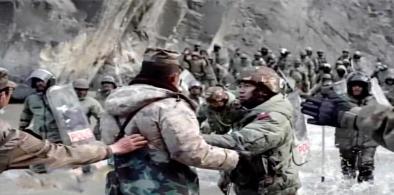
The least India can do is to let the Tibetan community in India select a new Dalai Lama; if there are two Dalai Lamas (one selected in India and one in China), New Delhi should have nothing to do with the Beijing-backed Dalai Lama, writes M.R. Narayan Swamy for South Asia Monitor

Amid pervasive expansion of Chinese influence in Myanmar, New Delhi doesn’t want to give further space to Beijing and feels the best option is to remain silent on the Myanmar military’s actions, writes Pema Tseten Lachungpa for South Asia Monitor
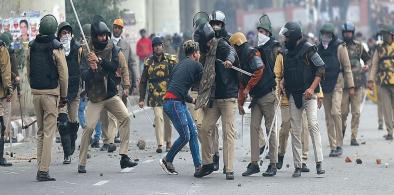
Police brutality in India is a form of institutional violence as it is closely connected with law enforcement and torture is perceived as an expeditious method of policing, writes Rahul Machaiah for South Asia Monitor
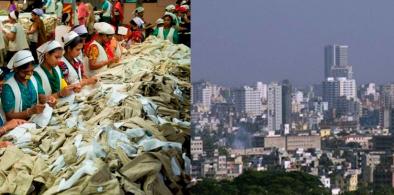
Politically, the Sheikh Hasina government has adroitly maneuvered a middle but autonomous road for Bangladesh, away from the influences of two regional powers, China and India, writes Aneek Chatterjee for South Asia Monitor