The United Nations Aids Control Programme says AIDS-related deaths are rising in Pakistan as late diagnosis and poor adherence to treatment are missed opportunities to prevent onward transmission and related mortalities


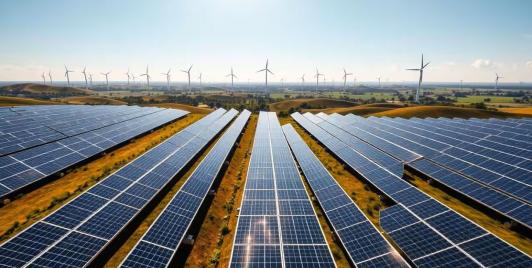
Pakistan has used imported solar technology to respond to immediate energy costs. Bhutan and Nepal can earn from renewable electricity. Bangladesh and Sri Lanka have established export-oriented manufacturing capabilities. India is attempting to develop a broader advanced manufacturing base.
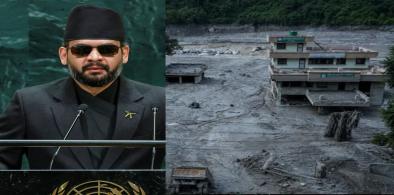
Nepal's PM proposed a "Himalayan Climate Resilience Mechanism, led by Nepal, India and China. Through this mechanism”, the countries could “share satellite data and expertise.” This could be a good initiative, as it would help predict disasters and prepare for them.

South Asia’s climate risks are shared across countries. Rivers such as the Ganga, Brahmaputra and Indus do not respect national boundaries, and torrential rains in one country can lead to floods in another. Satellite data, flood forecasts and flood warnings could, therefore, be shared to enhance disaster preparedness across the region.
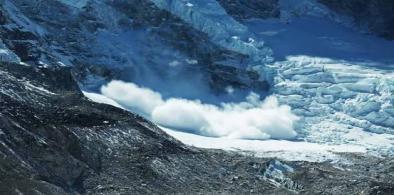
The disasters at Kedarnath and Nepal should therefore be read not simply as tragedies of the past or isolated episodes of extreme weather. They are warnings from a changing mountain system. The question before South Asia is whether we will continue to respond to each disaster after it occurs, or whether we will listen to what the mountains are telling us beforehand.

The United Nations Aids Control Programme says AIDS-related deaths are rising in Pakistan as late diagnosis and poor adherence to treatment are missed opportunities to prevent onward transmission and related mortalities

The Gross National Happiness Commission and UNDP Bhutan signed a partnership agreement on July 2 to mark the start of a new UNDP-supported COVID-19 response and recovery project funded by the Government of Japan (GoJ)

The UN refugee agency UNHCR’s Representative Steven Corliss has hailed Bangladesh’s efforts to strangle the spread of the novel coronavirus in the Rohingya camps

An independent court of the United Nations has held Italy guilty of breaching India's freedom of navigation in the 2012 naval dispute between the two countries and rejected Italy's claim of compensation from India

European Union and UNICEF have expanded their partnership on nutrition to prevent malnutrition in children due to the socio-economic impact of the pandemic

The UN Security Council (UNSC) has adopted a resolution on COVID-19, demanding a general and immediate cessation of hostilities

UNESCO Director-General Audrey Azoulay has asked Indian authorities to prosecute the killers of journalist Shubham Mani Tripathi in order to end “gunpoint censorship

The world organisation has honoured an army lieutenant colonel who died while trying to save a fellow peacekeeper from drowning and four other Indians at a ceremony honouring those who lost their lives while serving it last year

Sri Lankan Prime Minister Mahinda Rajapaksa has reiterated calls seeking international lenders to grant debt relief to developing countries

United Nations experts have called on the international community to take collective and decisive action to ensure that the Chinese Communist Party (CCP) regime ends violations of its international obligations and human rights of its citizens

The top UN envoy for Afghanistan has expressed optimism about the peace prospects in the war-torn country, saying talks between the Kabul government and the Taliban could begin in July

For more than a decade, Dechen Wangmo, 11, from Tsangkhar village in Phongmey, Trashigang has learned to live on whatever little she had

Pakistan on Wednesday expressed disappointment over the non-designation of an Indian national as a terrorist by the United Nations Security Council 1267 Sanctions Committee

Kerala on Tuesday was among those honoured for tackling the COVID-19 pandemic when the United Nations celebrated the Public Service Day

UN and other aid agencies are concerned that the monsoon will exacerbate the already dire situation in the Rohingya camps where almost 860,000 refugees live in crammed accommodations, many of which are located in hazardous terrain