India needs strong and friendly relations, be they diplomatic, economic, social or cultural, with the countries of GCC. And some of these arguments carry over for relations with members of the OIC too


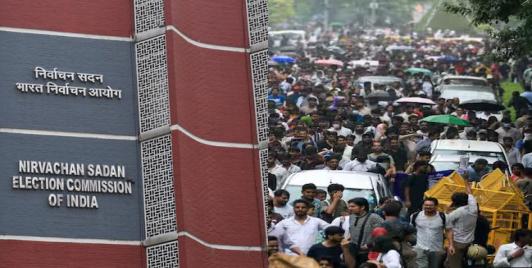
The spirit of democracy cannot be sustained merely because elections are held regularly. Restoring public faith in the institutions and systems that sustain elections is of paramount importance. The true measure of democracy is not whether power can be exercised, but whether it can be challenged peacefully
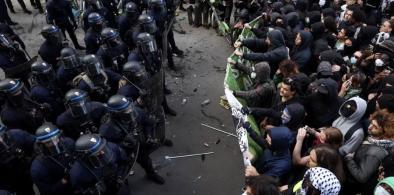
Southern Europe shows that mobilisation can reshape political agendas while leaving difficult economic questions unresolved. South Asia shows that a narrow grievance can become a challenge to the legitimacy of a governing system when trust has already been eroded. The real test of governance is whether institutions learn between storms—before the next generation concludes that the street is the only place where its voice can be heard.
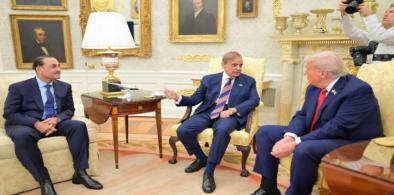
At independence, Pakistan's economy was competitive with India's. Today India's is more than ten times larger, and Pakistan is on roughly its 25th IMF program. Investors rarely abandon a country simply because it is poor. They leave when they cannot tell who actually decides.
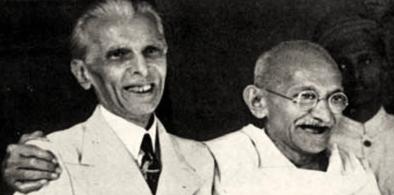
The young need not become another opposition. They could become an independent democratic force that questions every government but belongs to none; that protests when necessary but constructs continuously; that demands accountability from institutions while practising accountability itself.

India needs strong and friendly relations, be they diplomatic, economic, social or cultural, with the countries of GCC. And some of these arguments carry over for relations with members of the OIC too
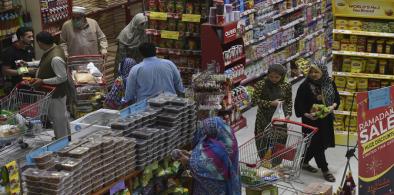
Challenges are compounded by the almost unaffordable prices of global commodities and fuel—factors beyond the government’s control. “I cannot control this but cannot leave people without food and fuel, either,” Ismail said.
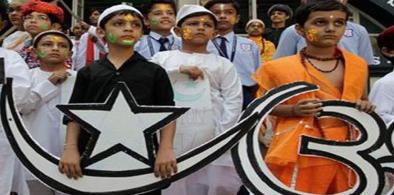
Denigration of another faith is not the act or practice of a true Hindu. Every Hindu must condemn such acts., writes Amb Sarvajit Chakravarty (retd) for South Asia Monitor

While ASHAs make us proud, the state of the health management system makes us hang our heads in shame. Is this where India should be in the 21st century?
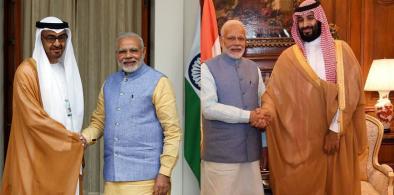
Messages, and communal narratives - and even state-sanctioned actions - targeting Muslims reach audiences in the Muslim countries in real time and will produce resentment against India and its diaspora community living there. These sentiments will eventually make it a bit harder for their governments to embrace New Delhi and do business with it, at least in the open.
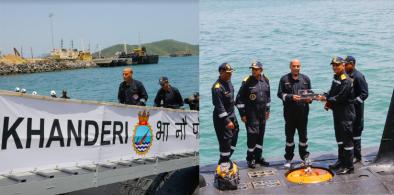
“Today, Indian Navy is counted among the frontline navies of the world. Today, the world’s largest maritime forces are ready to work and cooperate with India,” Singh said and described INS Khanderi as a shining example of the ‘Make in India’ capabilities of the country.
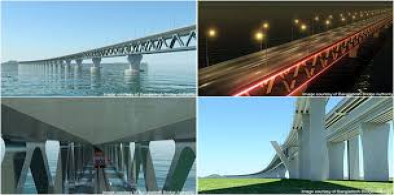
The decision to build the much-awaited Padma Bridge, which is set to open for traffic on June 25, through its own finances has brightened Bangladesh's image in the world, writes Dr Malika-e-Abida Khattak for South Asia Monitor.
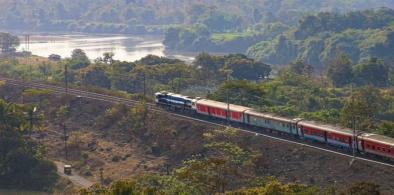
While air remains a major mode of transportation for tourists—almost 77 percent, around 80 percent of Bangladeshi tourists used the land as the mode of transportation. Thus, an integrated, cross-border railway network as a faster mode of transport could bring enormous benefits to the region, including boosting regional trade.
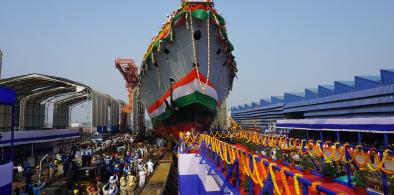
There are not many developing countries like India having the capability to produce such a wide variety of warships ranging from fast-attack craft to aircraft carriers, writes Col Anil Bhat (retd) for South Asia Monitor
India is the only country in the world that was ruled by Muslims for nearly 1,000 years and yet never become a Muslim country. A probable answer lies in the higher quality of Indian spiritual thought, writes Anil Rajvanshi for South Asia Monitor
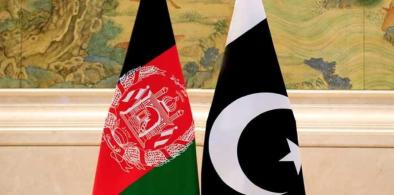
For a regime as isolated as the Afghan Taliban with weak resources at its disposal, acting against the Pakistan-based TTP is like giving up on the little leverage it enjoys so far. Furthermore, there is little indication of the group’s willingness so far to transform itself into an internationally accepted ruling regime by weakening its links with ideological fellow travellers
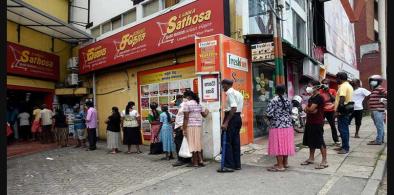
The global chemicals industry is portraying the Sri Lankan crisis as related to a few months' stop in the import of chemical fertilizers in April 2021, not recognizing that the ban was related to Colombo’s debt crisis

The role of China will have a direct bearing on the Indo-Pacific security matrix given China’s warm relations with most of the Indo-Pacific states

Why did the influential Purana Kashmiris not think of the 1990s Kashmir Pandit exodus as a personal issue and raise their voice? Why did they take part in the conspiracy of silence that seems to have cloaked the issue for 30 odd years?

One other unintended consequence of the potential failure of the Russian operation is that it could slow down - and possibly stop the triumphant march of the autocrats – or so-called strongmen - the world over, writes Frank Islam for South Asia Monitor