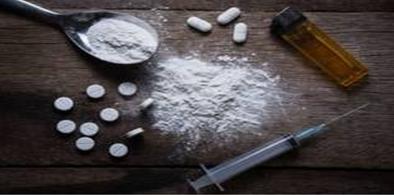
Around 275 million people used drugs worldwide in the last year of unprecedented upheaval caused by the COVID-19 pandemic, up by 22 per cent from 2010


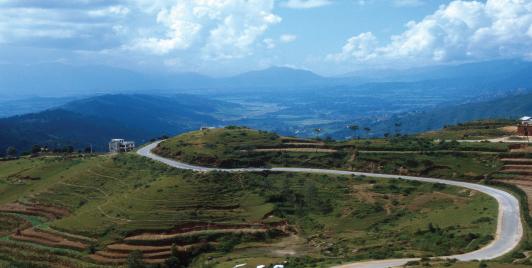
The broader lesson for South Asia is equally important. Hilly regions cannot be developed simply by transferring lowland infrastructure models into mountainous terrain. Investment has to respond to local economic systems, geography and environmental risks.

The UN's 2026 report warns that “long-term water use has exceeded renewable inflows and safe depletion limits,” leaving some water supplies beyond recovery. As the world’s largest groundwater extractor, India sits at the centre of this reckoning
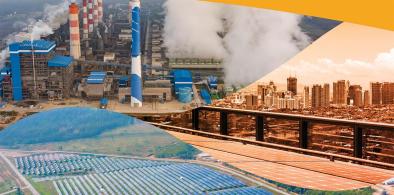
The larger economic choice for South Asia is therefore broader than whether to participate in carbon trading. The region can remain primarily a supplier of relatively inexpensive mitigation outcomes, or it can also develop the technology, professional capacity, financial products and verification systems that determine what those outcomes are worth.
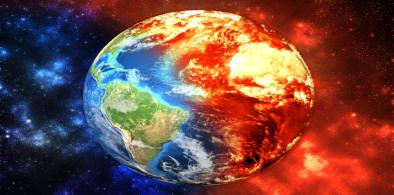
On top of that is our own unsustainable living that is creating large-scale havoc on the planet. They include construction of large dams, roads, and tunnels in the fragile Himalayan region. These activities together with the melting of glaciers due to global warming are bound to create worse natural disasters in the coming years.
Around 275 million people used drugs worldwide in the last year of unprecedented upheaval caused by the COVID-19 pandemic, up by 22 per cent from 2010
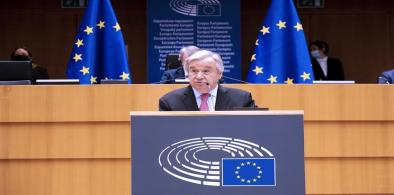
The European Union (EU) must use its leverage to ensure people everywhere have access to COVID-19 vaccines, UN Secretary-General António Guterres said on Thursday
The United Nations Human Rights Office has dubbed as “selective” and “arbitrary” the presidential pardon granted to a former Sri Lankan MP convicted to life imprisonment for the murder of a fellow politician
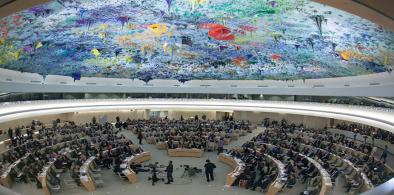
The UNHRC Core Group on Sri Lanka has called upon the island nation’s government to address the harmful legacies of war and protect human rights, including those from religious minorities
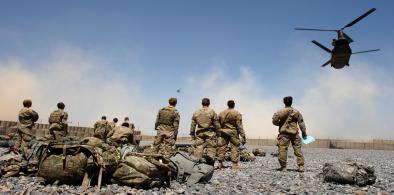
Deborah Lyons, the United Nations envoy in Afghanistan, has criticized the Taliban’s recent “intensive military campaign”, warning that it would lead to continued violence in the country
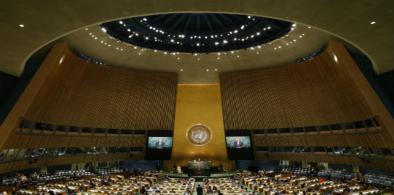
India and its G4 allies have forced General Assembly President Volkan Bozkir to accept an amendment to the decision on rolling Security Council reform negotiations to the next Assembly session during a meeting at which he and Germany's Permanent Representative Christoph Heusgen clashed openly, dropping the genteel style of diplomacy
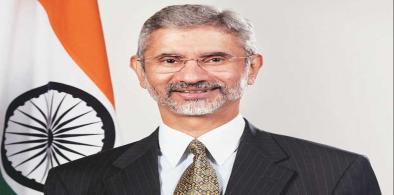
As Afghanistan prepares for the pullout of the US troops, peace there requires zero tolerance for terrorism and those supporting terrorists must be held accountable, according to India's External Affairs Minister S. Jaishankar
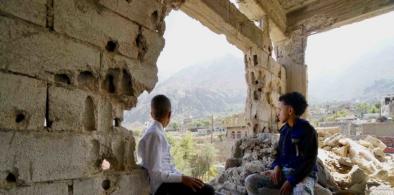
More than 19,300 boys and girls affected by war last year were victims of grave violations such as recruitment or rape, and the COVID-19 pandemic made it difficult for experts to reach them, the UN said in its annual report on Children and Armed Conflict (CAAC), published on Monday
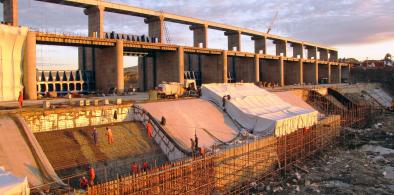
Financial assistance to the world’s 83 weakest economies fell by 15 per cent in 2020, to $35 billion as a direct result of the COVID-19 pandemic, UN trade and development experts UNCTAD said on Monday
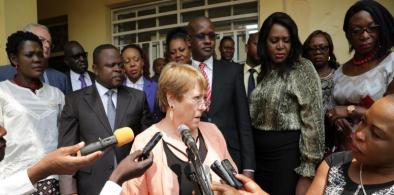
UN rights chief Michelle Bachelet on Monday urged UN Member States to promote a more inclusive post-pandemic recovery to help the world’s most vulnerable recover from the impact of COVID

Michelle Bachelet, the United Nations human rights chief, has expressed concern over the “sharp increase in violence” and harm to civilians in Afghanistan
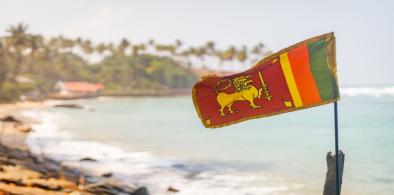
Michelle Bachelet, the United Nations human rights chief, has expressed concern over the Sri Lankan government’s new measure which she says are “perceived” as targeting the country’s minority Muslim and Tamil population

India has described the concerns raised by a special branch of the United Nations Human Rights Council (UNHRC) as "misplaced, exaggerated and disingenuous"
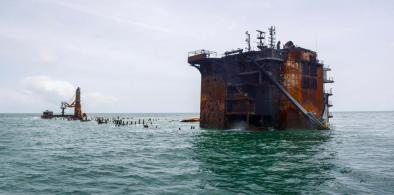
The sinking of a container ship that caught fire while transporting chemicals off capital Colombo has caused “significant damage to the planet” by releasing hazardous substances into the ecosystem, the UN representative in Sri Lanka said
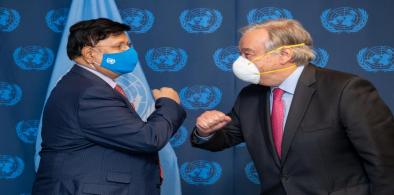
United Nations Secretary-General Antonio Guterres has informed the Group of Seven (G7), a political forum comprising the world’s seven largest advanced economies, about Bangladesh’s ability to produce Covid-19 vaccines at their recent summit