Although this was the first time India had not abstained on a matter linked to Ukraine and voted with the West, a diplomatic source played down its significance


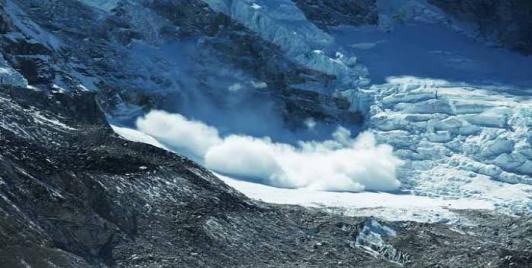
The disasters at Kedarnath and Nepal should therefore be read not simply as tragedies of the past or isolated episodes of extreme weather. They are warnings from a changing mountain system. The question before South Asia is whether we will continue to respond to each disaster after it occurs, or whether we will listen to what the mountains are telling us beforehand.
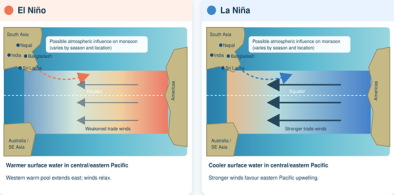
AI may genuinely extend the horizon over which seasonal climate risk can be estimated. For communities across South Asia living under the influence of the monsoon, a longer view could mean the difference between a farmer adjusting her planting in time and a family receiving a flood warning too late to act.
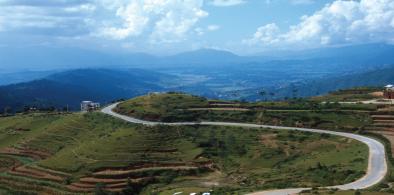
The broader lesson for South Asia is equally important. Hilly regions cannot be developed simply by transferring lowland infrastructure models into mountainous terrain. Investment has to respond to local economic systems, geography and environmental risks.
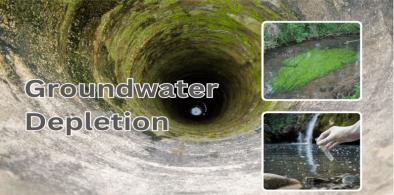
The UN's 2026 report warns that “long-term water use has exceeded renewable inflows and safe depletion limits,” leaving some water supplies beyond recovery. As the world’s largest groundwater extractor, India sits at the centre of this reckoning
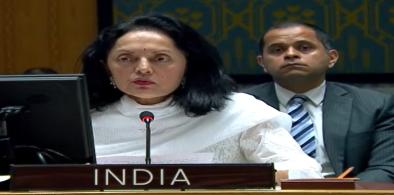
Although this was the first time India had not abstained on a matter linked to Ukraine and voted with the West, a diplomatic source played down its significance
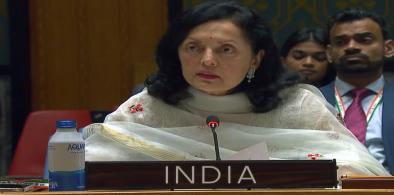
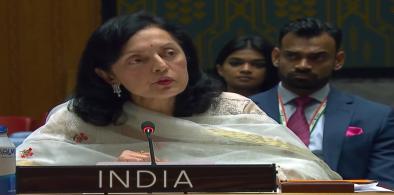
In points aimed at Islamabad and Beijing, Kamboj said, “Common security is also only feasible when all countries stand together against common threats such as terrorism and do not engage in double standards while preaching otherwise”. India has accused Pakistan of sheltering terrorists and backing terrorist organisations, a charge also repeated by Kabul
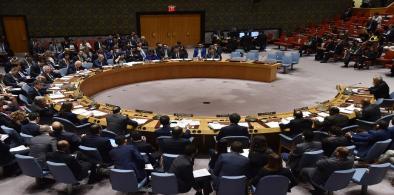
More than two decades of efforts to reform the Council which is stuck in the post-World War II structure have failed because of obstruction from a small number of countries led by Italy and including Pakistan
The move is controversial with some Kashmiri politicians strongly opposing it.
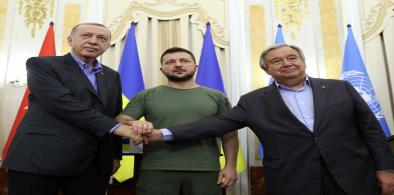
“As we speak, more than 560,000 metric tonnes of grain and other food produced by Ukrainian farmers is making its way to markets around the world”, Guterres said
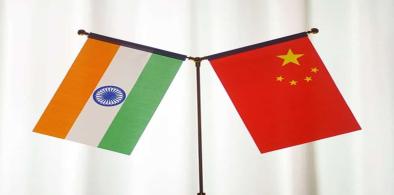
This was the second time in two months that China has moved to protect a Pakistani terrorist from sanctions. It vetoed a proposal in June to sanction Lashkar-e-Tayyiba leader Abdul Rehman Makki
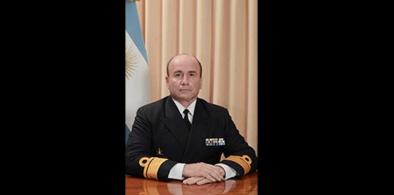
While India allows UNMOGIP to operate in the country in accordance with the Security Council mandate, it maintains that the operation is redundant
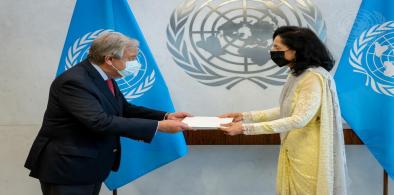
As the Indian envoy, she will have to deal with the intense pressure the country is facing from all sides over its independent stand on Ukraine, neither backing Russia nor unequivocally condemning it, and having to frequently reiterate the position in speeches and votes at the UN.
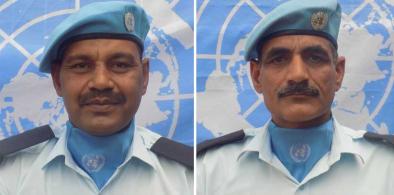
There are 139 police and 1,888 military personnel from India in the DRC mission known by the French initials MONUSCO for UN Organisation Stabilisation Mission in the DRC
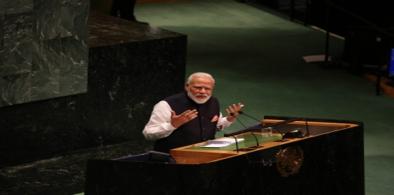
In a sign of the world emerging from the grip of the Covid-19 pandemic, all the speeches will be in person at this year’s session that begins on September 20, Paulina Kubiak, the spokesperson for Assembly President Abdulla Shahid, said on Wednesday
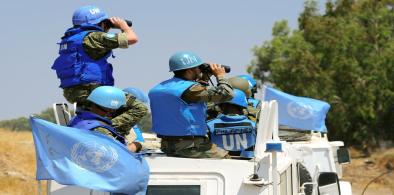
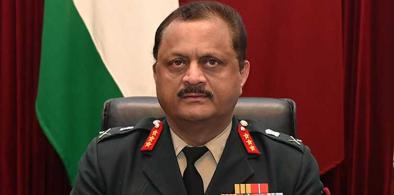
Major General Thapa succeeds Lieutenant General Ishwar Hamal of Nepal who recently completed his assignment
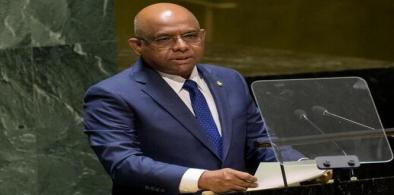
Shahid of the Maldives noted that the last reform of the Council had been fifty-seven years ago when it added four non-permanent members, bringing their number to ten
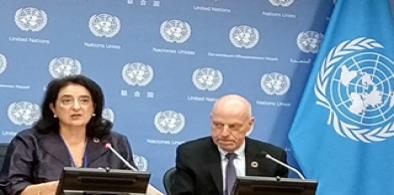
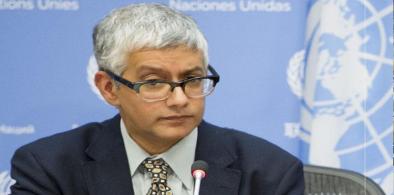
While the previous reports had expected India’s population to overtake China’s in 2027, the timeline changed to next year because of updates to the data about China, he said.
The people trapped in the rebel-held areas depend on the sole remaining border crossing for international aid that includes food, medicine, emergency nutrition for children and, even, blankets for winter.
Nepal has deployed 1,751 troops in the mission and Bangladesh 1,627