Now India and Bangladesh have to look for a new foundation to take the relationship between the two countries to a higher level. And deepening of economic ties can create that new foundation.


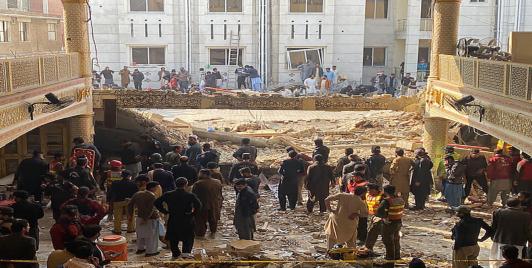
India must also recognise that Pakistan's internal security crisis has wider regional implications. Escalating Pakistan–Afghanistan tensions could create additional uncertainty along the western frontier, while attacks on Chinese projects could affect regional connectivity and investment.
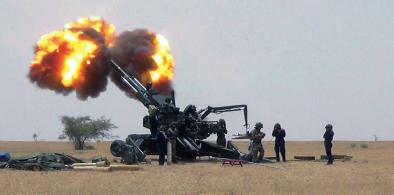
India has demonstrated that it can develop and manufacture modern artillery systems. What needs reassessment is how quickly we acquire, integrate and field them, and how effectively we ensure that new technologies communicate and operate together.
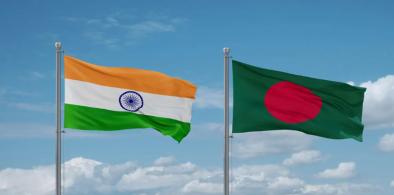
If India says the security of its Northeast, border management, trade and connectivity matter, Bangladesh can equally say that water sharing, deaths at the border, market access, energy security, river management and sovereign equality matter to it.
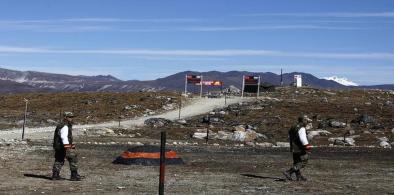
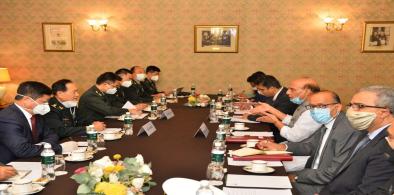
The Indian military views no disengagement in Arunachal Pradesh as part of a wider strategic recalibration, prompting India to match Chinese force rebalancing by shifting strike corps and resources equally across both northern and eastern fronts.
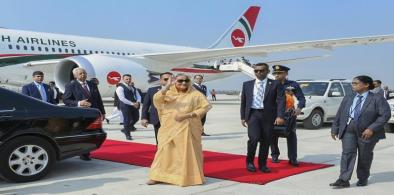
Now India and Bangladesh have to look for a new foundation to take the relationship between the two countries to a higher level. And deepening of economic ties can create that new foundation.
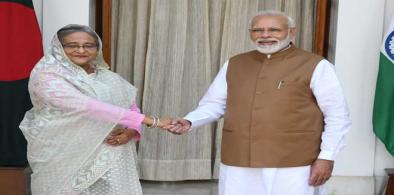
Overall, many of the vexing problems of long standing can be mitigated quickly by bold and quick measures, denying ammunition to detractors of India-Bangladesh ties on both sides and letting our relationship flourish to its full potential
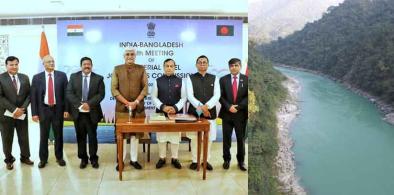
The JRC discussion should have recognised the sufferings of the people of both sides because of the water scarcity during the lean season flows of the Teesta river and struck a win-win deal that was beneficial to both sides
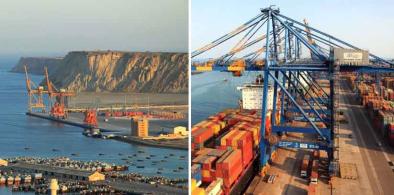
Both Gwadar and Mundra ports are close to a turbulent region that is violent and militancy-prone. If Gwadar has security problems from within, Mundra has them from without
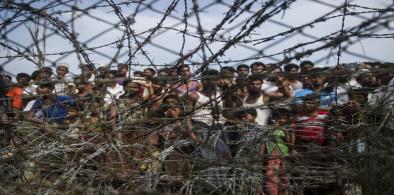
India has repositioned its earlier policy of providing a home to refugees from Tibet, Afghanistan, Bhutan and Sri Lanka and is forcefully deporting Rohingya refugees
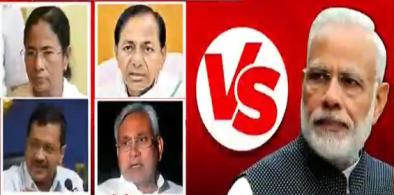
Given these roadblocks, it is not a surprise that the BJP, led by Prime Minister Narendra Modi, is a runaway winner in every opinion poll to the dismay of its adversaries who wonder why the economic difficulties of inflation and unemployment are not holding it back

While this exercise was a long overdue and necessary measure, the whole gamut of India’s coastal security in view of terrorist threats and other crimes must function effectively and consistently as there have been instances of breaches in coastal security after 26/11
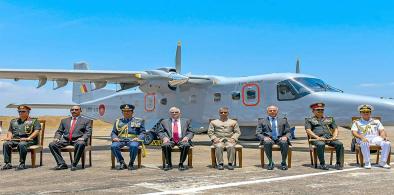
Defence sources said it was significant that the Dornier was handed over to Sri Lanka by India a day before the high-tech Chinese satellite tracking ship docked at Hambantota

India should also project the values and aspirations of the Indo-Pacific into Atlantic waters to help global development. The SAGAR (Security And Growth for All in the Region) model can be extended to a much larger canvas of mutual cooperation and benefit

If Australia is to emerge as the destination of choice for Indian students, its India strategy needs to be rethought. If this were to happen, international education and institutional collaboration would emerge as a critical building blocks in the bilateral space
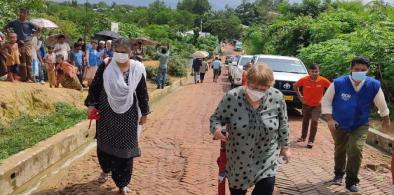
The world must remember the refugees’ lives depend on how the international community responds to caring for them as Bangladesh alone cannot afford to support this huge Rohingya population
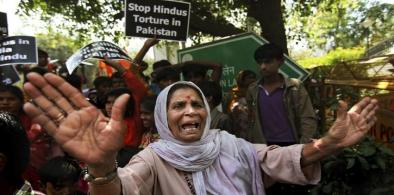
The question being raised in Pakistan@75 should be welcomed, that how come Pakistan, carved out as a safe home for the Muslim minorities of the Indian subcontinent, has failed to provide safety to its own minorities? Only Pakistan has the answer
We need to learn a lot from China’s foreign policy; and when our own response to China is weak-kneed, how do we expect Sri Lanka to take up cudgels with Beijing?
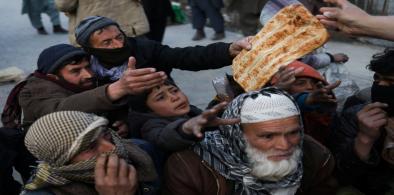
If the Taliban’s original purpose in taking over Kabul last year was to gradually gain some international recognition for what it calls the Islamic Emirate of Afghanistan, it now stands fully destroyed
The ideological shift in politics towards prioritizing the majority religious denomination that has morphed into assertive political Hindutva goes against the fabric of the 'Idea of India' enshrined in the constitution