The Chinese media continued its scrutiny of the contentious citizenship Amendment Act (CAA) in India and its nationwide protests


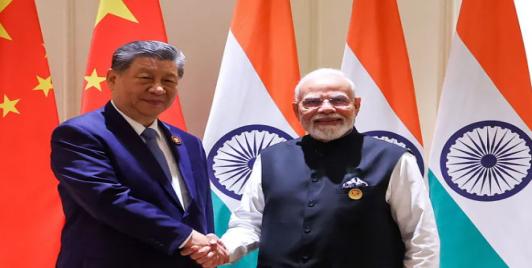
Why not begin by reopening serious discussions with Chinese conglomerate BYD about an Indian factory? BYD is now one of the world’s dominant EV manufacturers. Its Indian ambitions were caught in the post-Galwan investment freeze. Invite it back to the table—but on Indian terms
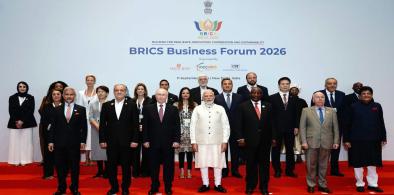
But the choice test applies to India as much as to the countries it hopes will follow its lead. If BRICS genuinely widens India's menu of markets, technology partners and financing sources without deepening its dependence on any one of them, it becomes a credible model for the rest of the Global South.
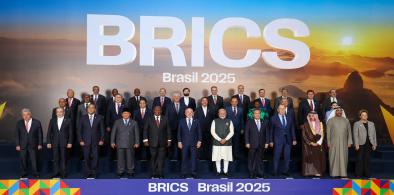
India’s stand for a dollar-based system is not a rejection of BRICS alignment or unity, but it is a determined choice to act in favour of self-interest like any other founding member. The key difference is India’s position has been the most transparent of all founding members rather than standing behind the collective rhetoric.

The evidence indicates that the increase in state borrowing over the past decade is best understood as the outcome of a changing fiscal federal system rather than simply an expansion of welfare politics.
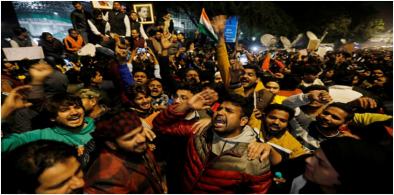
The Chinese media continued its scrutiny of the contentious citizenship Amendment Act (CAA) in India and its nationwide protests
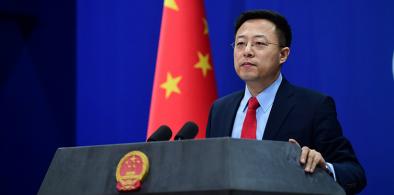
China has strongly rejected an Indian allegation that a detained Karachi-bound Chinese merchant vessel carried cargo that breached non-proliferation and export control restrictions, Dawn reported
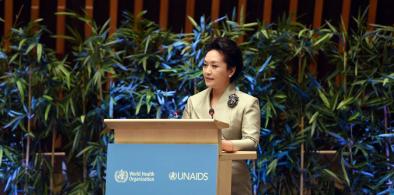
Peng Liyuan, wife of Chinese President Xi Jinping, has written back to a group of students from a girls school in Sri Lanka, expressing her appreciation for their support for China’s fight against the COVID-19 epidemic and encouraging them to make contributions to carrying forward China-Sri Lanka friendship, the Xinhua news agency reported.
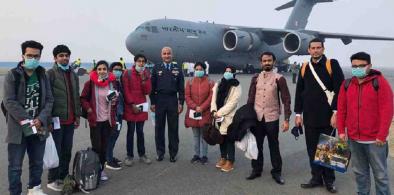
Twenty-three more Bangladeshi nationals have been evacuated from China’s Wuhan, the epicenter of the coronavirus outbreak
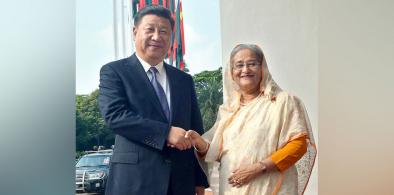
Chinese President Xi Jinping has appreciated the support of Bangladesh government towards the East Asian country when the country is in a battle against the outbreak of the novel coronavirus.

A 22-year-old engineer from Andhra Pradesh, who is stranded in coronavirus-hit Chinese city of Wuhan, is surviving on rice and pickle for nearly a month, her relatives said.
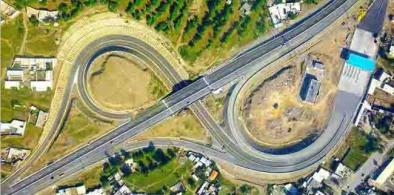
The multibillion-dollar projects being implemented under the China-Pakistan Economic Corridor (CPEC) would not be affected by the temporary challenge of coronavirus, declared Chinese Ambassador to Pakistan Yao Jing.
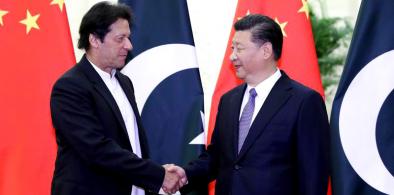
China reiterated its gratitude and appreciation over the enormous support and assistance offered by Pakistan in the wake of the novel coronavirus epidemic.
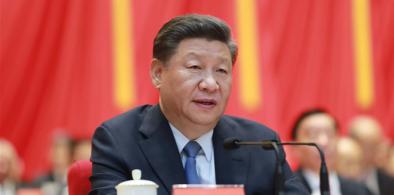
Chinese President Xi Jinping is expected to visit Pakistan either in May or June to further expand strategic partnership and trade ties between the two neighbouring countries, according to informed sources.
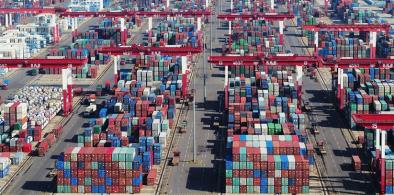
Bangladesh's apex trade body has urged banks to exercise more flexibility in the wake of coronavirus outbreak in China that has hit the supply chain of imported raw materials and products for local businesses.
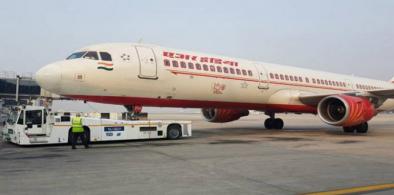
India's national passenger carrier Air India has extended the suspension period for its Delhi-Shanghai and Delhi-Hong Kong services till June 30, owing to the outbreak of deadly Coronavirus (COVID-19)
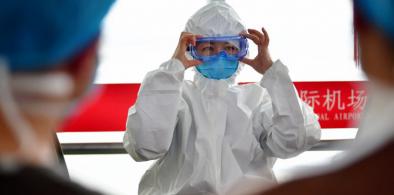
Chinese workers in Sri Lanka, who were subjected to a 14-day quarantine amidst fears of the novel coronavirus, have resumed work this week, a media report said on Friday
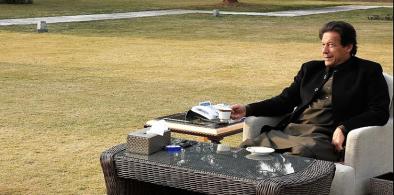
Pakistan firmly stands behind China in its efforts to eliminate the coronavirus, said country's Prime Minister Imran Khan in a phone call with Chinese President Xi Jinping according to a statement issued by the prime minister's office.
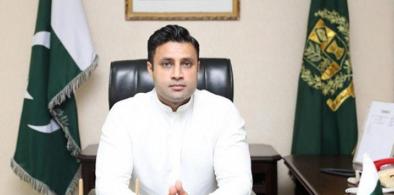
The families of Pakistani citizens who have not been evacuated from China amid the coronavirus outbreak have rejected a government briefing, while calling for their return, it was reported on Thursday.
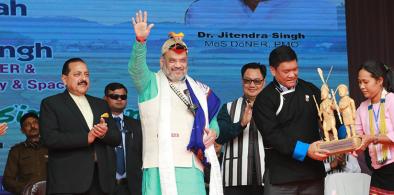
Even as it is bogged down by the coronavirus epidemic, China on Thursday reopened a hostile front with India as Beijing "firmly opposed" Indian Home Minister Amit Shah's visit to Arunachal Pradesh on its statehood day and warned India against "complicating" the border issue.