Nepal’s Prime Minister K P Oli and heads of state and governments from over 64 countries have committed to reverse nature loss by the end of the decade to fulfil the United Nation’s Sustainable Development Goals (SDGs)


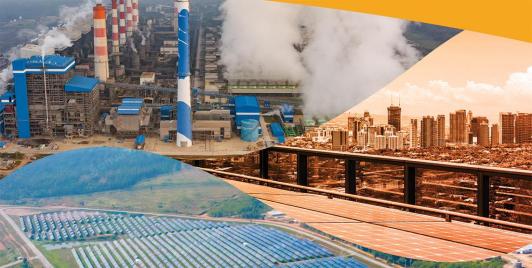
The larger economic choice for South Asia is therefore broader than whether to participate in carbon trading. The region can remain primarily a supplier of relatively inexpensive mitigation outcomes, or it can also develop the technology, professional capacity, financial products and verification systems that determine what those outcomes are worth.
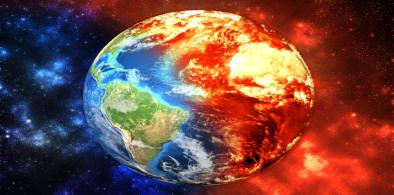
On top of that is our own unsustainable living that is creating large-scale havoc on the planet. They include construction of large dams, roads, and tunnels in the fragile Himalayan region. These activities together with the melting of glaciers due to global warming are bound to create worse natural disasters in the coming years.
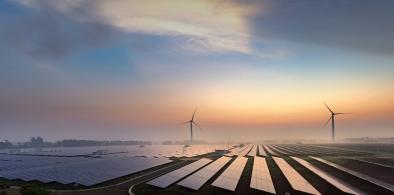
The regional opportunity is particularly significant in electricity. Nepal and Bhutan can potentially export hydropower; India can provide the scale of demand and investment required to create a regional electricity market; Bangladesh can become an important electricity consumer; and Sri Lanka and Pakistan can expand solar and wind. Greater cross-border electricity trade could allow countries to exploit complementary renewable resources and reduce the need for expensive domestic backup capacity.
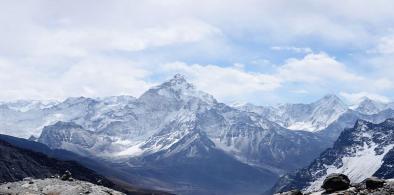
A genuinely regional approach could eventually include - besides Nepal, China and India - Bhutan and, where relevant, downstream institutions in Bangladesh. Organisations with established Himalayan expertise, particularly the International Centre for Integrated Mountain Development in Kathmandu, could offer scientific and institutional support.

Nepal’s Prime Minister K P Oli and heads of state and governments from over 64 countries have committed to reverse nature loss by the end of the decade to fulfil the United Nation’s Sustainable Development Goals (SDGs)
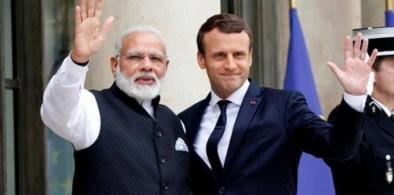
Modi and Macron are the "Champions of Earth". Now they should join hands to champion the global action through ACE -Alliance for (COVID19) Eradication, writes Rajendra Shende for South Asia Monitor

Pakistan lost Malaysia's public support on its Kashmir stand as Prime Minister Muhyiddin Yassin made no mention of it in his speech on Saturday to the High-Level Meeting of the General Assembly, reversing last year's volatile stand of Mahathir Mohamad
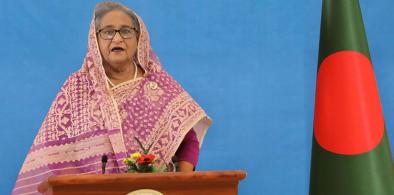
Bangladesh Prime Minister Sheikh Hasina has reminded the international community that the fates of people across the globe were intertwined amid the COVID-19 pandemic, as she called on world leaders to ensure that any proven vaccine is made accessible to all at the same time
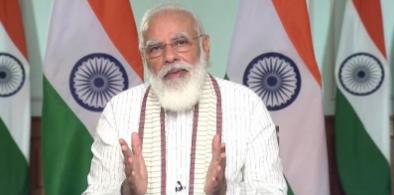
India's Prime Minister Narendra Modi's United Nations General Assembly speech on September 26 stands out among the few this year at the virtual talkfest which offered up ideas and approaches as complements to soothe the collective anxiety of a global quarantined audience
Presenting India as a global power for universal good, India Prime Minister Narendra Modi launched its pharmadiplomacy promising the world on Saturday that the nation's vaccine manufacturing capability will “help all humanity” in fighting the COVID-19 pandemic, assuring global leaders whose worries about its availability has been a dominant concern at the General Assembly

With India set to become an elected member of the Security Council next year, Prime Minister Narendra Modi presented an upbeat forward-looking agenda stressing its contributions to the global good, while also pointing out the shortcomings of the UN
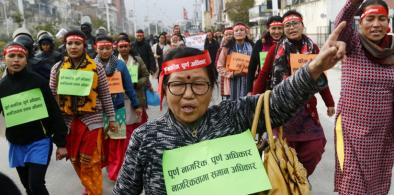
Two UN rapporteurs and one independent expert on protection against violence and discrimination based on sexual orientation, gender identity and discrimination against women and child have expressed serious concern over some of the provisions proposed in the citizenship bill currently being debated in Parliament
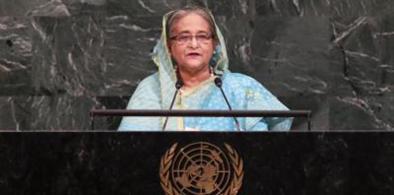
Bangladesh Prime Minister Sheikh Hasina will virtually address the 75th session of the UN General Assembly (UNGA) on Saturday, during which she highlight a numbr of issues, including the COVID-19 pandemic, Rohingya crisis and climate change

India turned the mirror on Pakistan after its Prime Minister Imran Khan delivered a speech at the UN dripping vitriol, and recalled its record of genocide in Bangladesh, being a haven for terrorists and suppression of minorities

If you blinked, you could have mistaken Pakistan Prime Minister Imran Khan's speech at the UN General Assembly (UNGA) as the one he delivered in 2019
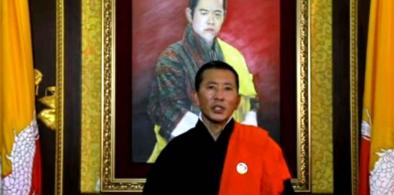
Bhutan's Prime Minister Lotay Tshering has supported G4 countries' bid for United Nations security council reforms (UNSC). G4 countries that have been calling for UNSC reforms include India, Germany, Brazil and Japan
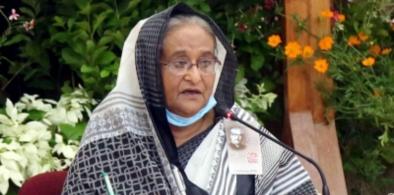
Bangladesh Prime Minister Sheikh Hasina will virtually address the 75th Session of the United Nations General Assembly (UNGA) in New York on Saturday in Bangla and talk on a host of national and international issues, including the Rohingya crisis

Nepal's Prime Minister K P Sharma Oli called on Friday for the early adoption of the Comprehensive Convention on International Terrorism (CCIT)
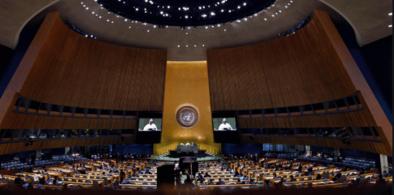
Bhutanese Prime Minister Dr Lotay Tshering, in his inaugural statement at the 75th session of the United Nations General Assembly (UNGA) on September 22, highlighted the importance of multilateralism, the theme for this year’s General Assembly, among member countries in the wake of the pandemic