US Secretary of State Mike Pompeo on Tuesday said that India and the US need to jointly confront China's threats to security in the Indian subcontinent and the Indo-Pacific


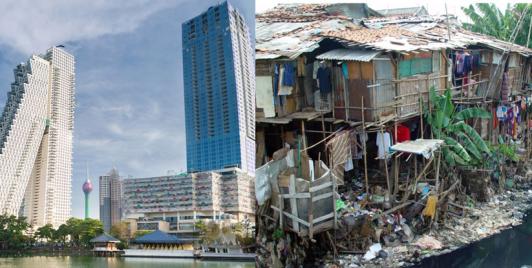
In 2025, Sri Lanka was ranked as the second most expensive housing market in the world based on rentals compared to average income. It is possible that market distortions caused by black economy and corruption have contributed to this.
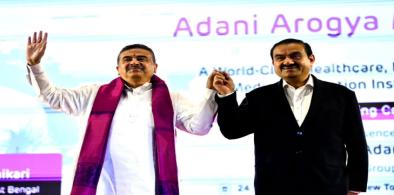
The larger opportunity before West Bengal is therefore not another round of infrastructure creation in isolation. It is the creation of an ecosystem in which infrastructure, private capital, local enterprise and skilled labour reinforce one another.
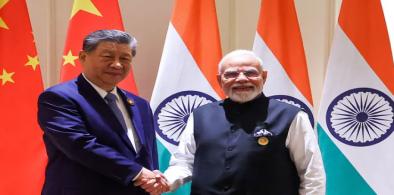
Why not begin by reopening serious discussions with Chinese conglomerate BYD about an Indian factory? BYD is now one of the world’s dominant EV manufacturers. Its Indian ambitions were caught in the post-Galwan investment freeze. Invite it back to the table—but on Indian terms
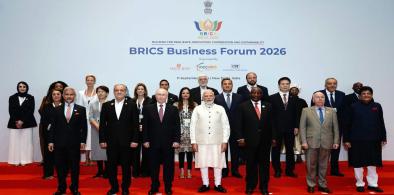
But the choice test applies to India as much as to the countries it hopes will follow its lead. If BRICS genuinely widens India's menu of markets, technology partners and financing sources without deepening its dependence on any one of them, it becomes a credible model for the rest of the Global South.
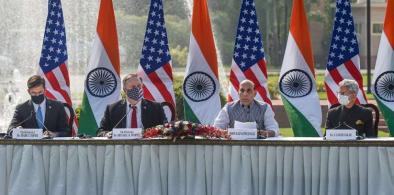
US Secretary of State Mike Pompeo on Tuesday said that India and the US need to jointly confront China's threats to security in the Indian subcontinent and the Indo-Pacific
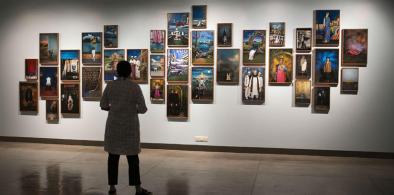
Nepal has been presented as the theme country in the 10-day-long international photo exhibition that kicked off today in Beijing, China
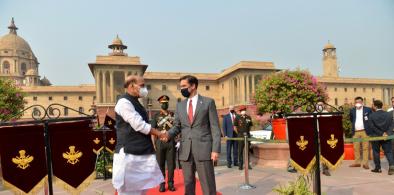
Amid a military standoff with China in Ladakh, India and the United States began a landmark dialogue today, which will cement foundations of a novel strategic partnership covering the broad sweep of the entire Indo-Pacific region, with the Communist Party of China (CPC) as the focal point

US State Secretary Mike Pompeo’s visit to Sri Lanka is aimed at forming an alliance against China, a former senior diplomat has said
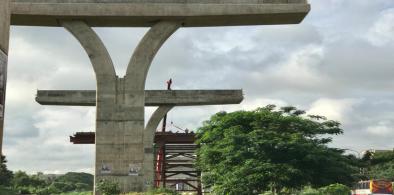
The Bangladesh government is keen on implementing the Dhaka East-West Elevated Expressway project with support from China instead of Malaysia under the public-private partnership (PPP) model
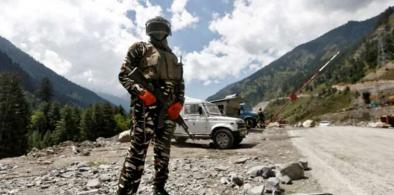
China has illegally occupied Nepal's land at several places spreading over seven bordering districts and Indian intelligence agencies have sounded an alert in New Delhi

Amid border tensions with China along the Line of Actual Control, Defence Minister Rajnath Singh and Indian Army Chief General Manoj Mukund Naravane on Saturday visited Sukna Corps in Bengal's Darjeeling district

Months after the expiry of an extended term of the China-Pakistan Economic Corridor Authority Ordinance, the legal status of the CPEC Authority was called into question in the Senate on Friday
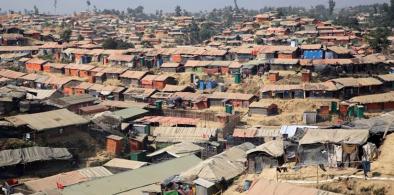
The Chinese Embassy in Dhaka has reacted to the US claim that China has done very little to resolve the Rohingya issue, terming it "inappropriate and not constructive at all"
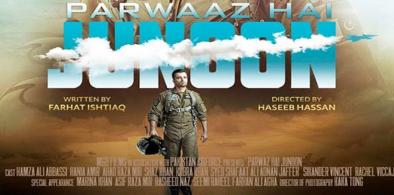
Hamza Ali Abbasi-starrer Parwaaz Hai Junoon will debut in China on November 13, shortly before the 70-year anniversary of the day when Pakistan and its key ally established diplomatic relations
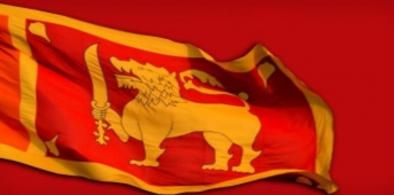
US Secretary of State Mike Pompeo's scheduled stopover at Colombo on October 28, after his meeting with the Indian foreign minister and defence ministers in New Delhi is expected to provide Sri Lanka an opportunity to work towards breaking free of China's domination over its economy

After being invited by India to participate in the Malabar military exercises, Australia has gone on an overdrive to exchange notes with fellow partners including Japan to counter China's heft in the Indo-Pacific

The Chinese have been livid at India’s long-overdue strategic infrastructure development, as also with its speed and timing, writes Col Anil Bhat (retd) for South Asia Monitor
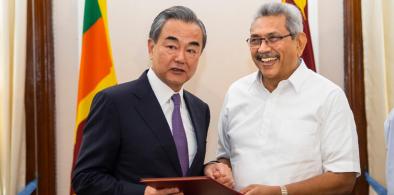
Sri Lanka stands to gain from greater Chinese trade and investment, a Sri Lankan diplomat has said
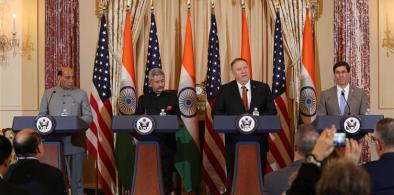
US Secretary of State Mike Pompeo has said that the 2+2 ministerial meeting of the top foreign affairs and defence leaders of the two countries in New Delhi next week will discuss the threats from China