At a time when unvarnished animus for one another is often the norm in India and Pakistan, not to mention Bangladesh now, the two simple women have offered a lesson in decency, dignity and civility.


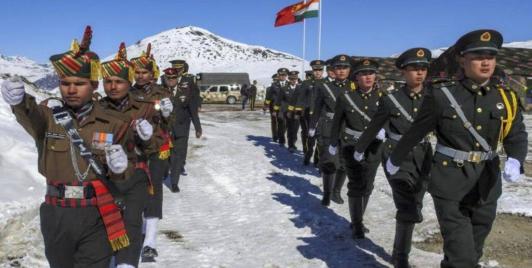
Hopes for Sino-Indian relations centre on a cautious diplomatic thaw, institutionalised border stability and renewed high-level engagement. Indian negotiators and defence planners are well aware that “trust must be verified”. While the activation of these eight points provides valuable channels to prevent an accidental kinetic clash on the ground, the real test of China’s sincerity will not be the joint statements signed in Beijing, but whether it ceases infrastructure build-ups and respects the historical patrolling rights of Indian troops along the LAC.
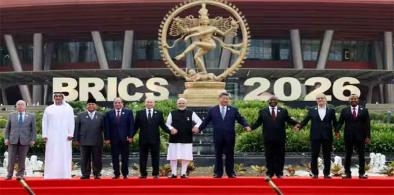
By removing the ‘Indo’ prefix from Indo-Pacific the US implicitly acknowledges that it no longer unilaterally defines the eastern strategic landscape. Regional organisations like BRICS continue to redefine the lexicon of ‘rules-based order’ to insulate themselves from western domination.
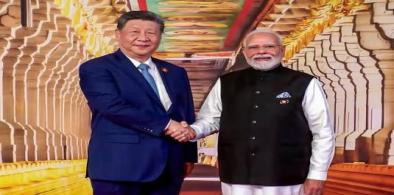
The bilateral discussion between Prime Minister Narendra Modi and Chinese President Xi Jinping on the sidelines of the 18th BRICS Summit indicates surge in mutual ties, particularly by way of trade. However, little can be expected by way of full settlement of the boundary dispute.
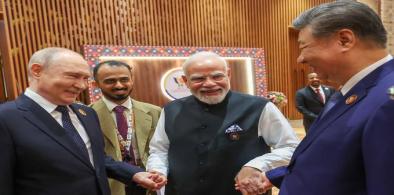
The timing of the EU announcement coincided with the BRICS+ Summit in New Delhi, creating speculation about whether the EU was seeking to reinforce its strategic engagement with India amid the growing influence of the BRICS grouping.

At a time when unvarnished animus for one another is often the norm in India and Pakistan, not to mention Bangladesh now, the two simple women have offered a lesson in decency, dignity and civility.

Rural women have said that the physical and sexual security of women was strongly protected under the Taliban regime. The women in Afghanistan are caught in a conundrum. While they resent systemic social repression and denial of gender rights under the Taliban regime, the return of political instability in the country they fear can increase their physical and sexual insecurity.
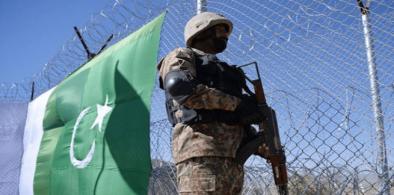
Smuggling activities along the Afghan border are often linked with militant groups and organized crime. The illegal trade of arms has contributed to the proliferation of the "Kalashnikov culture" across the length and breadth of Pakistan.
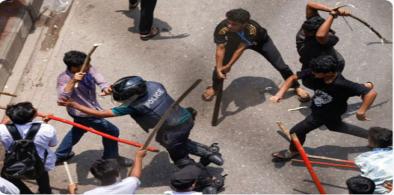
Given the nature of these 'student' demonstrations, it is apparent that Bangladesh faces serious danger from a network of underground political activists and extremists aiming to destabilise the country. These issues are putting Prime Minister Sheikh Hasina's leadership to the test

Google and Facebook, which collect vast amounts of user data, will be required to overhaul their data-handling practices to meet the stringent requirements of the bill. Critics argue that certain provisions grant excessive power to the government, potentially undermining the very privacy protections the bill seeks to establish.

A growing area of cooperation between India and the UAE is agriculture. UAE has committed to setting up three food parks in India - in the states of Haryana, Gujarat and Madhya Pradesh - at an estimated cost of $2 billion to address the issue of food security as both countries had also agreed to set up a food corridor.
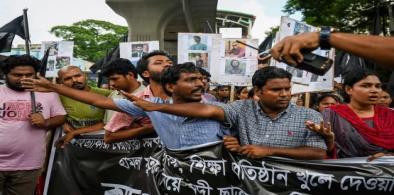
It is undeniable that although the movement was initially for quota reform, it later took the shape of a movement to overthrow the government. It was an attempt to taste power through undemocratic, back-alley, violent means. An attempt was made to create a "Bengali Spring: in Bangladesh in the style of the Arab Spring.
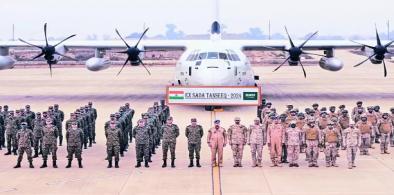
The inclusion of the military dimension in India-Saudi Arabia relations is of great strategic significance which is expected to gain more momentum in the future.
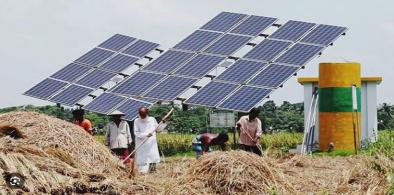
Bangladesh's triumph in off-grid renewable energy, epitomized by the SHS program, serves as a global benchmark. The collaborative efforts of government, private sector, and public entities have ushered in a new era of sustainable energy.
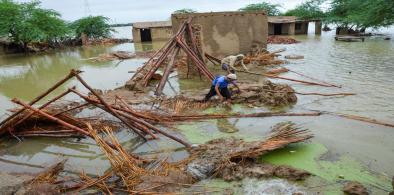
Pakistan's climatic catastrophe requires a global response. Developed countries must fulfill their pledges to provide financial and technological assistance to developing countries like Pakistan so that they can effectively mitigate and adapt to climate change.
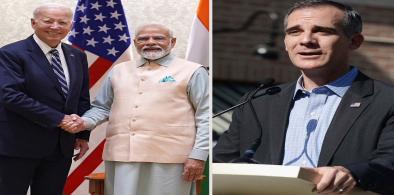
Quite unequivocally, strategic autonomy would be a hallmark of India’s foreign and security policy allowing it to oscillate between strategic proximity and strategic distancing depending on the circumstances and need of the hour. New Delhi would certainly not be guided by the script the US, or its Western allies prescribe.
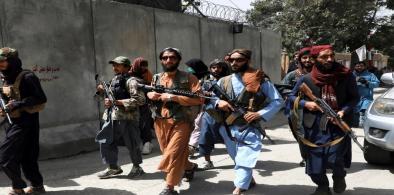
Madrassas in Pakistan and Afghanistan, often funded by Gulf states, have spread extremist ideologies. Saudi-financed madrasas in Pakistan taught Wahhabism, fostering a transnational network of militants using Afghanistan as a base. The U.S. and Saudi Arabia provided substantial aid and funding to these madrassas and the Mujahideen, promoting jihad against the Soviets.
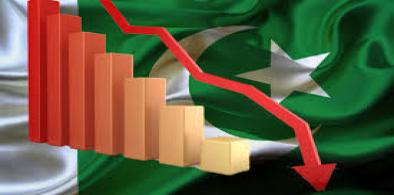
Pakistan's continuous political turbulence, characterised by infighting and power rivalries, poses a serious threat to the country's economic development.
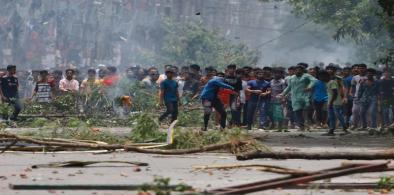
The violent conflicts have caused infrastructure damage, supply chain disruptions, and industry closures that have cost Bangladesh billions of dollars in lost revenue and negatively impacted essential industries like clothing, steel, ceramics, and pharmaceuticals. Its ramifications went beyond short-term financial losses.
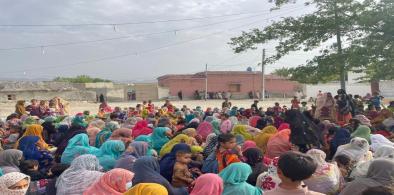
The whole Baloch nation has faced the worst form of oppression by the Pakistani State: they have been abducted, received mutilated bodies of their loved ones, confronted illegal raids, illegal detention, and bogus cases. They have not been allowed peaceful protests; they have been totally censored by mainstream media.