The absence of a strong opposition can potentially pave the way for the ascendancy of authoritarian, dictatorial, or undemocratic forces within the country's political sphere.


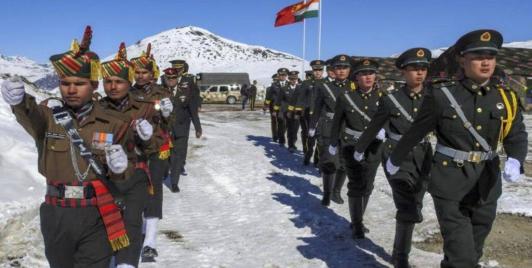
Hopes for Sino-Indian relations centre on a cautious diplomatic thaw, institutionalised border stability and renewed high-level engagement. Indian negotiators and defence planners are well aware that “trust must be verified”. While the activation of these eight points provides valuable channels to prevent an accidental kinetic clash on the ground, the real test of China’s sincerity will not be the joint statements signed in Beijing, but whether it ceases infrastructure build-ups and respects the historical patrolling rights of Indian troops along the LAC.
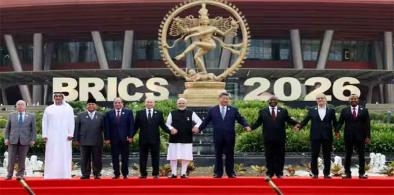
By removing the ‘Indo’ prefix from Indo-Pacific the US implicitly acknowledges that it no longer unilaterally defines the eastern strategic landscape. Regional organisations like BRICS continue to redefine the lexicon of ‘rules-based order’ to insulate themselves from western domination.
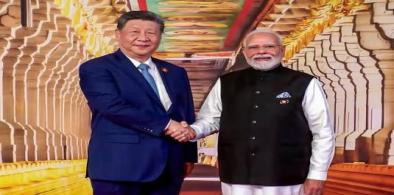
The bilateral discussion between Prime Minister Narendra Modi and Chinese President Xi Jinping on the sidelines of the 18th BRICS Summit indicates surge in mutual ties, particularly by way of trade. However, little can be expected by way of full settlement of the boundary dispute.
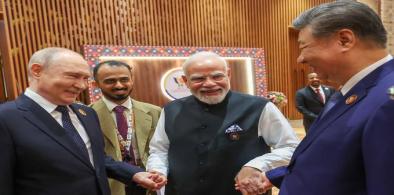
The timing of the EU announcement coincided with the BRICS+ Summit in New Delhi, creating speculation about whether the EU was seeking to reinforce its strategic engagement with India amid the growing influence of the BRICS grouping.

The absence of a strong opposition can potentially pave the way for the ascendancy of authoritarian, dictatorial, or undemocratic forces within the country's political sphere.

Both DPI and AI are data-driven and integral to future human development. In 2024, India and the EU are looking to formulate a unified approach towards these two cutting-edge aspects of technology.
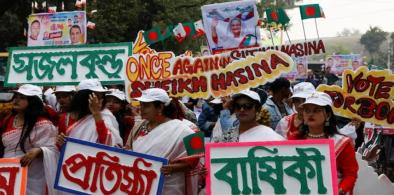
The large number of independent candidates winning in this election has shown new thinking in Bangladesh's politics. And the time may have come for political parties to rethink their candidate selection process.
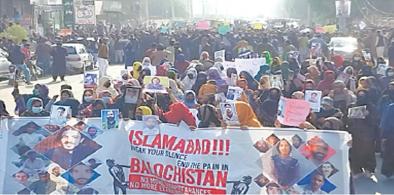
The judiciary, media, human rights activists and Baloch nationalist parties have almost exhausted their efforts in trying to persuade international institutions to intervene and end the sustained atrocities against the people of Balochistan.
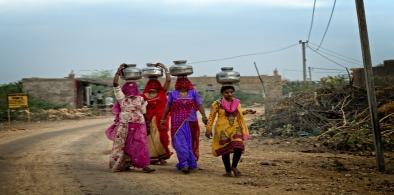
India’s mainland is endowed with a long coastline of over 5500 km. All the areas situated near this coastline can get clean drinking water through dew condensation.
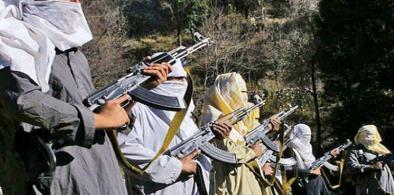
State-sponsored terrorism is often employed by smaller or weaker states to weaken bigger or stronger nations as it is more cost effective than traditional war. One of the most prominent examples of this could be the Kashmir issue between India and Pakistan
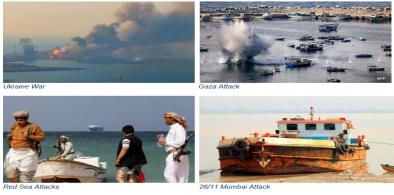
The drone attacks in the Arabian Sea recently are an indication of the high-tech means available to the non-state actors and it won’t take much time for them to acquire deadly underwater drones with explosives to carry out unimaginable attacks in a politically volatile IOR

The South Asian region has much to learn from the ASEAN experience in integrating investment, trade and movement of labour which includes a skilled workforce
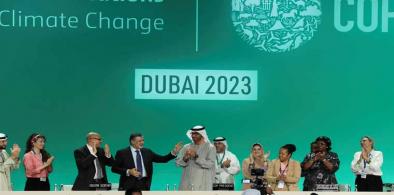
The word ‘just transition’ is not just about the historic climate injustice done to developing countries, but it also secures the rights and livelihood of workers working on old energy systems that would change to new systems
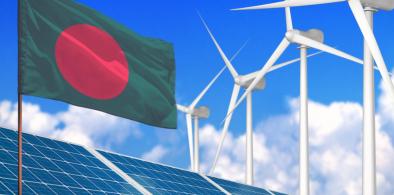
Bangladesh and other low-income industrialised nations shouldn't be forced to transition to a non-carbon (net zero) economy on the same timelines. The international community should give Bangladesh, the country most affected by climate change, a high priority in receiving financial resources for both adaptation and mitigation.
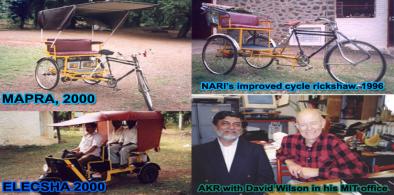
Even today the situation is no different. Most of the manufacturers make the rickshaw bodies here and fit them with imported motors, etc. from China. This is how e-rickshaw manufacturing has proliferated in India.
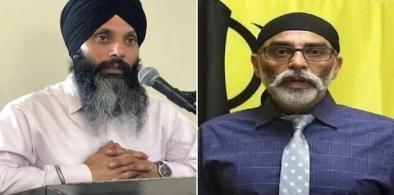
There is an interesting development of note in the US, which casts a shadow on free speech and political asylum in the Western world, with a direct bearing on the alleged covert intelligence operations by India in the North American continent.
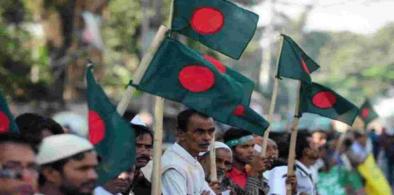
The upcoming election will also define Bangladesh’s relations with great powers, namely the USA, India, and China
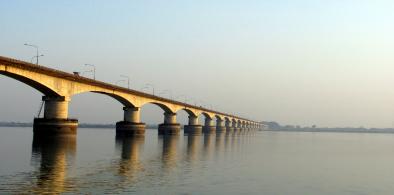
No other country in the world comes close to the hydro-hegemony that China has established. From Pakistan-occupied Kashmir to Myanmar’s troubled Kachin and Shan states, China has widened its dam building to disputed or insurgency-torn areas despite local opposition.
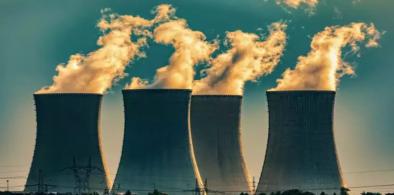
Germany's experience with nuclear energy serves as a valuable lesson, prompting Pakistan to intensify its pursuit of nuclear energy as a practical avenue for its energy needs