Those who have closely watched Modi believe that the prime minister wanted to give a clear signal that his government would be in a pro-active mode to handle long pending issues, writes Arun Anand for South Asia Monitor


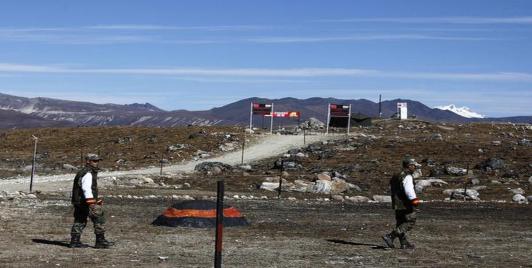
The Indian military views no disengagement in Arunachal Pradesh as part of a wider strategic recalibration, prompting India to match Chinese force rebalancing by shifting strike corps and resources equally across both northern and eastern fronts.
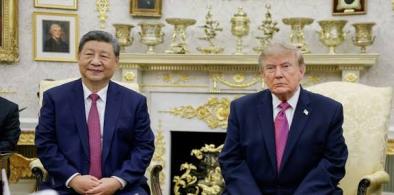
BRICS is acquiring greater visibility, while countries of the Global South continue to seek a greater voice in the international system. The desire for a more multipolar world is becoming increasingly evident. Over the next decade, this could produce a geopolitical configuration rather different from the one we have known since the end of the Cold War.
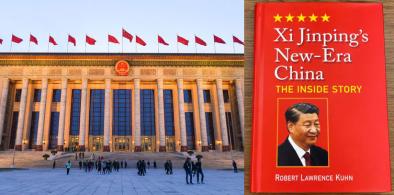
Kuhn says if the first half of this century is being defined by USA-China relations, the second half may well be defined by India-China relations and, in the New World Order, "India-China relations will likely become the most pivotal.....for the entire world".
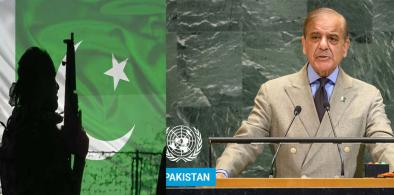
The strategic equation has irrevocably shifted. Pakistan’s long-standing attempt to separate itself from its proxies has failed, replaced by the reality of a state struggling with the infrastructure it created. As these groups operate with increasing autonomy, the world community is left with a clear conclusion
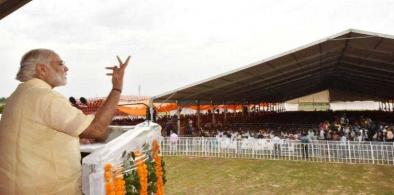
Those who have closely watched Modi believe that the prime minister wanted to give a clear signal that his government would be in a pro-active mode to handle long pending issues, writes Arun Anand for South Asia Monitor
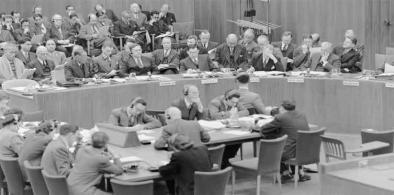
The reason Pakistan was afraid of the plebiscite was that the raiders and troops it had sent in “had indulged in loot, arson, rape, and murder in the State. Scores of villages and towns were destroyed and hundreds of thousands of people uprooted, writes Arul Louis for South Asia Monitor
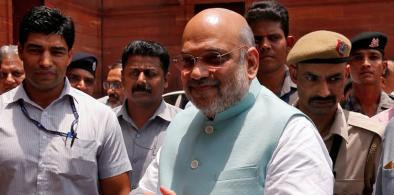
Pakistan can be expected to up the ante on terror, but any misadventure by Pakistan will be suitably responded to by India, writes Lt Gen Prakash Chand Katoch (retd) for South Asia Monitor
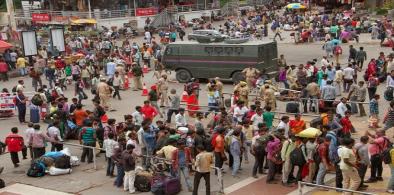
If, in the name of security, the BJP can, with one stroke, undo the federal asymmetry which was a product of the unique circumstances pertaining to the accession of J&K state to India, with a complex set of legal and constitutional mechanisms, the same can be done to the Northeast special powers, but with greater ease, writes Reeta Tremblay for South Asia Monitor
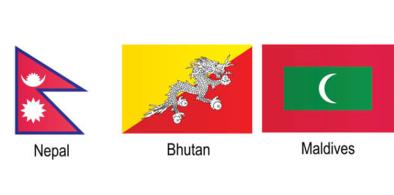
After a decade, these three countries - Nepal, a Hindu majority country, Bhutan, a Buddhist country and Maldives, an Islamic country - make a compelling study in the journey of democracy, writes Rishija Singh for South Asia Monitor
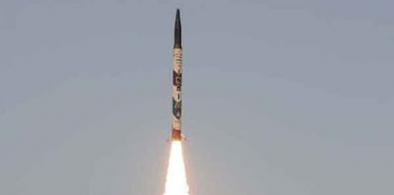
Despite dramatization of Pakistan’s nuclear capabilities, it is quite clear that South Asia has remained safe from any major conflict due to Pakistan’s nuclear weapons, writes Rabia Javed for South Asia Monitor
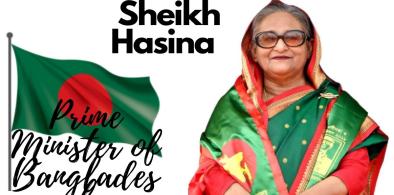
By narrowing the space for dissent and dichotomizing values, the ruling Awami League has effectively defanged the opposition, media as well as ordinary people writes Rishija Singh for South Asia Monitor
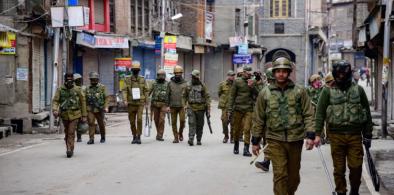
The warmongering narrative, primarily driven by the ruling party and the media at large, may fetch some electoral gains to the BJP but it has proved to be welcome fodder for the Army in Pakistan as it tries to reinvent itself to remain relevant, writes Mayank Mishra for South Asia Monitor
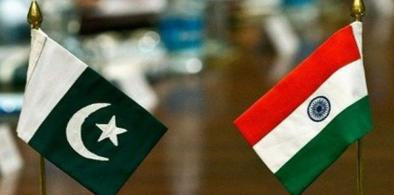
As those who follow the India-Pakistan dynamic would know, there are two aspects to this relationship, often diametrically at odds with each other. A neutral observer would not know where the truth lies - perhaps, in between
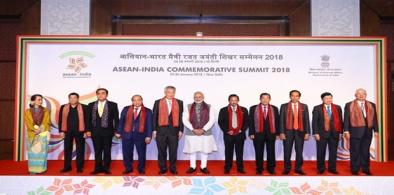
Some foreign policy analysts from Southeast Asia have questioned the lack of performance by India, hinting at a subtle resistance to the concept of “Indo-Pacific” as a replacement to the old “Asia-Pacific,” writes Tunchinmang Langel for South Asia Monitor
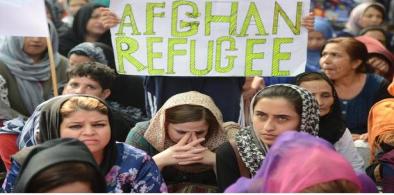
Given their situation, the only reason most Afghan refugees are staying on in India is to get a chance to go to any European country, writes Khatima Emami for South Asia Monitor
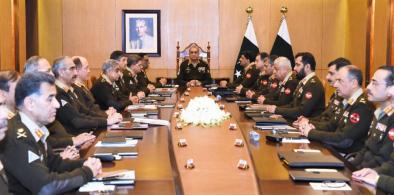
In a tumultuous fortnight, during which many an illusion was shattered at the turn of the year, some home truths emerged in the chronically accident-prone ties between India and Pakistan