

Iran and the Strait of Hormuz Blockade: Why Tehran did not Close the Strait Earlier
Before the mid-2020s, Iran lacked the specific low-cost tactical capability (drones, missiles and tech int) required to hold SoH against the US military. Today, the newly acquired capabilities allow Iran to enforce an effective, sustainable, and lethal denial-of-access corridor at a much lower cost.
 Aug 28, 2026
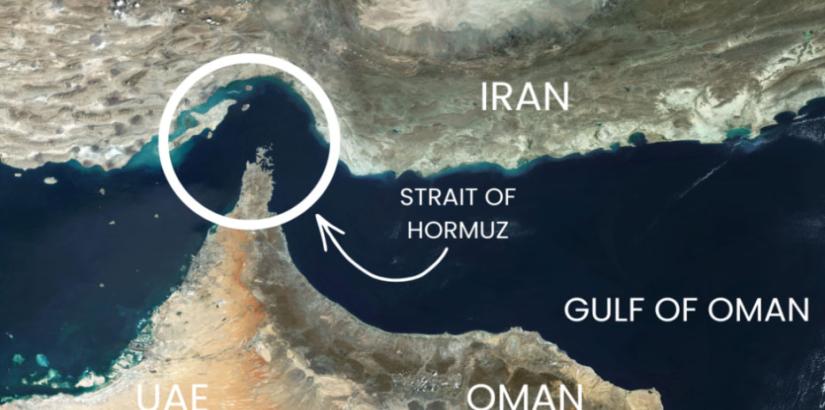
Since the 1979 Islamic Revolution, Tehran’s military doctrine classified the closure of the Strait of Hormuz (SoH) strictly as a "weapon of last resort." Basic tactics dictate that “a threat in being” is more valuable in keeping an opponent unsettled, than a threat executed.
So why did the status quo shatter? Due to a shift in Iran's cost-benefit analysis. The “cost” got lowered.
Historically, the SoH was Iran’s own economic and revenue lifeline. Shutting it down during past embargoes would have meant economic suicide, effectively helping the West achieve its blockade objectives. High “cost”.
What Changed for Tehran?
The comprehensive US naval blockade of Iran’s ports, and the crippling sanctions completely choked off regular Iranian oil exports. This existential threat LOWERED the additional “cost” to Iran of now closing the SoH; the “benefit” (huge geopolitical leverage) remaining the same.
Earlier, Iran would have calculated that initiating a blockade during lesser crises would unite a fractured international community against it. This time around, President Donald Trump overhyped his anti-Iran rhetoric in the media, thus enabling Iran to frame the closure of SoH as an act of legitimate defense against an existential threat. Low “cost”.
Before the mid-2020s, Iran lacked the specific low-cost tactical capability (drones, missiles and tech int) required to hold SoH against the US military. Today, the newly acquired capabilities allow Iran to enforce an effective, sustainable, and lethal denial-of-access corridor at a much lower cost.
Terminal Survival Card
Traditionally, Iran’s relied on a layered, forward-deployed defense network to absorb and deter external attacks. The Hamas in Palestine, the Hezbollah in Lebanon with their logistic support conduit through Assad's Syria, the Shia groups in Iraq and the Houthis in Yemen. Over the last few years, this network has got severely dented, forcing Iran to deploy its terminal survival card.
Now, even when Iran effectively blocks SoH, its official stance is that it is only demanding maritime traffic to follow a mandated routing, an inspection schedule and pay localised fees. Clearly, it is control couched as maritime management.
(The author, an Indian Army veteran, is a strategic affairs commentator and former Security Advisor, Ministry of Home Affairs, Government of India and former Advisor, Government of Seychelles. The views expressed are personal. He can be reached at sanjayaggy1@gmail.com/ https://www.linkedin.com/in/brigsanjayagarwal/recent-activity/all/







Post a Comment