Within the new Middle East/West Asia Quad, there is space for trilateral economic cooperation between India, the UAE and Israel


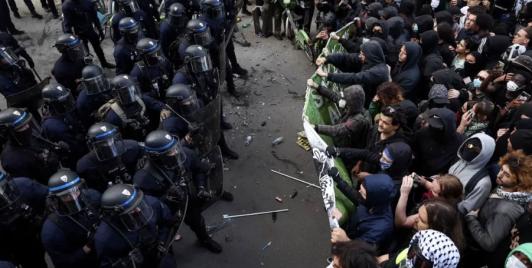
Southern Europe shows that mobilisation can reshape political agendas while leaving difficult economic questions unresolved. South Asia shows that a narrow grievance can become a challenge to the legitimacy of a governing system when trust has already been eroded. The real test of governance is whether institutions learn between storms—before the next generation concludes that the street is the only place where its voice can be heard.
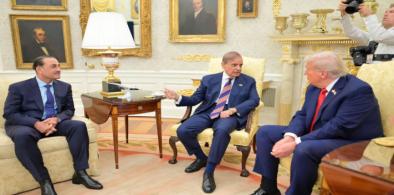
At independence, Pakistan's economy was competitive with India's. Today India's is more than ten times larger, and Pakistan is on roughly its 25th IMF program. Investors rarely abandon a country simply because it is poor. They leave when they cannot tell who actually decides.
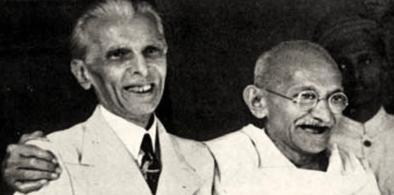
The young need not become another opposition. They could become an independent democratic force that questions every government but belongs to none; that protests when necessary but constructs continuously; that demands accountability from institutions while practising accountability itself.
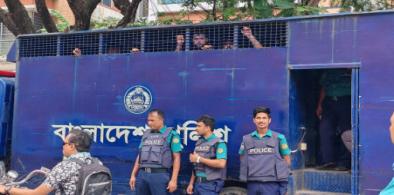
To what extent has the current BNP government been able to realise the vision that drove the 2024 mass uprising in Bangladesh? Will the BNP government, too, manipulate state mechanisms and law enforcement agencies to serve its own interests, much like the previous Sheikh Hasina regime, to suppress the opposition and silence critics? The government must therefore take serious steps to amend police laws and prevent deaths in police custody. This is one of the crucial reforms facing the administration.
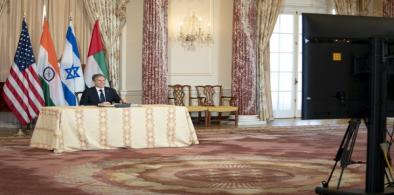
Within the new Middle East/West Asia Quad, there is space for trilateral economic cooperation between India, the UAE and Israel
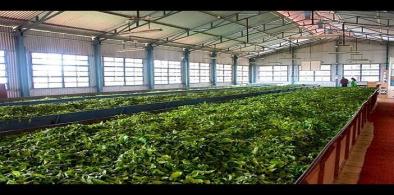
India should assist Nepal and Bangladesh to obtain GI certification for their teas
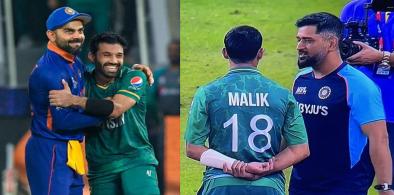
Will this demonstrable assertion of sportsmanship lead to a revival of bilateral sporting ties, particularly cricket, in the near future?
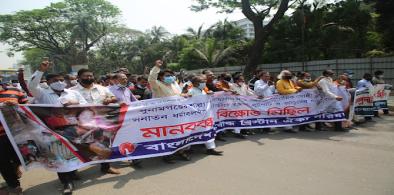
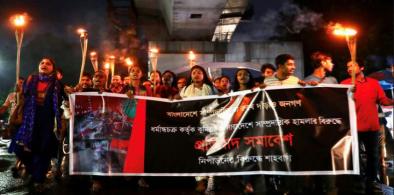
The recent widespread anti-Hindu violence will not make any difference to the bilateral ties between India and Bangladesh, said Dinesh K Patnaik, Director General, Indian Council for Cultural Relations (ICCR), calling the recent events “small incidents”
‘Bangladesh Finalizes Agreement to Build Buddhist Monastery in Lumbini, Nepal’ was the headline of the Hong Kong-based Global Buddhist Door’s news headline on October 11
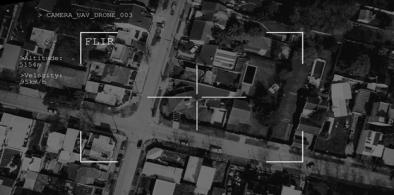
Since the last decade, the US drone strike has caused numerous casualties worldwide, including Pakistan, Afghanistan, Yemen and Somalia
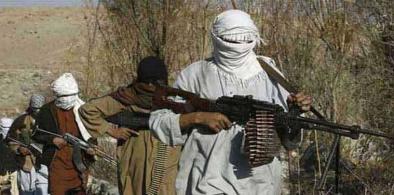
Senior Indian Army sources asserted that the Pakistani youth's plea for surrender, as soon as his mate was killed, was a definite indication that he was not so convinced about the 'jihad' narrative but had taken on the cross-border 'task' out of financial compulsion

The SAU aims to bring together peacebuilders and particularly women from the region to work towards a political and economic South Asian Union, along the lines of the European Union, by 2030

Trump also gave the Indian media backhanded compliments when he met with Modi in 2019

The Taliban, the new rulers of Afghanistan, earlier this week announced a ban on the broadcast of the Indian Premium League (IPL), the hugely popular and monetarily lucrative Indian cricket league, which is widely watched in Afghanistan as their star player, Rashid Khan, is part of it

They “violate” the otherwise volatile Line of Control (LoC) at their own sweet will, but far from being challenged for their “infiltration”, they are treated as guests of honor on both sides of a disputed frontier – India and Pakistan
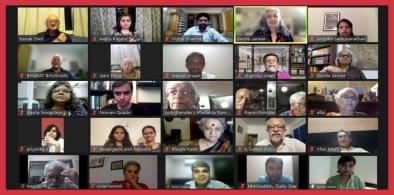
Prisons in South Asian countries are overcrowded-- with some countries like Bangladesh and Sri Lanka having almost double their official capacities-- as most people spend years there as pre-trial detainees in the absence of speedy justice, according to data presented at a conference titled "The Rights of The Incarcerated in South Asia", organized by the South Asia Peace Action Network (SAPAN)
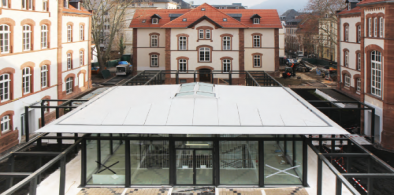
Concerned by reliable reports of harassment of academics in India, the South Asia Institute (SAI), Heidelberg University, Germany hosted the webinar "Academic Freedom in South Asia" on 2 August, 2021 in which the following, internationally renowned scholars took part
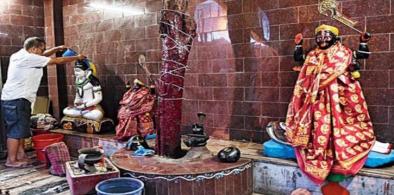
Kolkata is home to more than 2,000 Chinese, a close-knit community that has made the city its home for decades and arduously hung on to their culture and heritage through generations while making their mark in the tannery, beauty salons, shoe and restaurant businesses in the teeming eastern metropolis
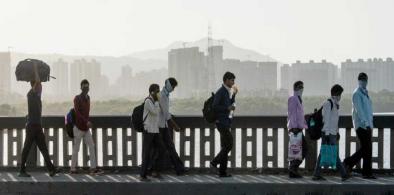
The pandemic has been a blow to countries like Bangladesh, Nepal, and Pakistan as all of them receive billions of dollars annually through remittances of migrant workers abroad