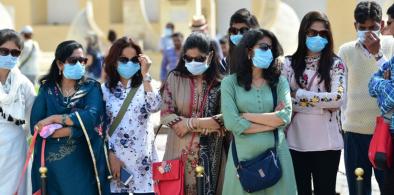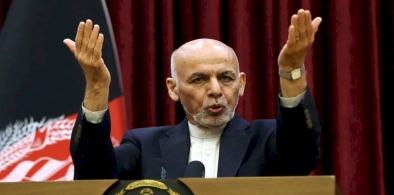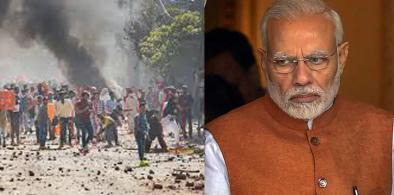
In a tumultuous fortnight, during which many an illusion was shattered at the turn of the year, some home truths emerged in the chronically accident-prone ties between India and Pakistan
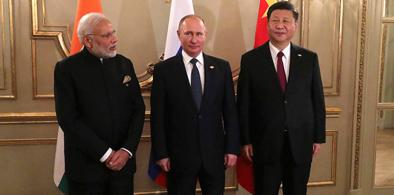
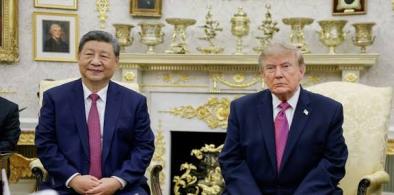
The Putin–Xi meeting, therefore, should not be interpreted as the birth of a fixed anti-American alliance. Rather, it reflects a flexible alignment whose cooperation is strongest where grievances overlap, but weakest where ambitions collide. Putin and Xi are united more by pressure than by trust. They are aligned in opposing American dominance, but not necessarily in supporting each other’s long-term rise.
Though with a Muslim population much larger than most of the OIC member countries, India has not been given its membership due to Pakistan’s objection and, unlike Russia, has not applied for observer status either. However, organisers of the KazanForum invited local Indian Consul General Jeysundkhar, who is based in Kazan, for the special session "Greater Eurasian Partnership: Development Strategy"
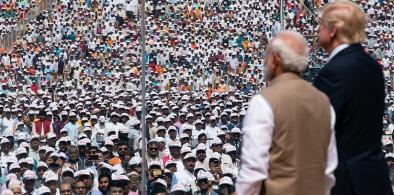
However, the visit clarified one important reality: despite periodic friction over trade, tariffs, Russia, immigration, or strategic autonomy, neither India nor the United States presently has the luxury of disengagement. The relationship may no longer carry the earlier romanticism of “natural allies,” but it continues to be driven by geopolitical realities - energy security, China’s rise, maritime stability, technology supply chains, and the changing balance of power in the Indo-Pacific.
For many in India and Sri Lanka, however, the memory of the assassination remains raw. Rajiv Gandhi’s killing was not merely the death of a much-loved former prime minister; it marked the violent spillover of the Sri Lankan ethnic conflict into India itself.
In a tumultuous fortnight, during which many an illusion was shattered at the turn of the year, some home truths emerged in the chronically accident-prone ties between India and Pakistan