Given their situation, the only reason most Afghan refugees are staying on in India is to get a chance to go to any European country, writes Khatima Emami for South Asia Monitor


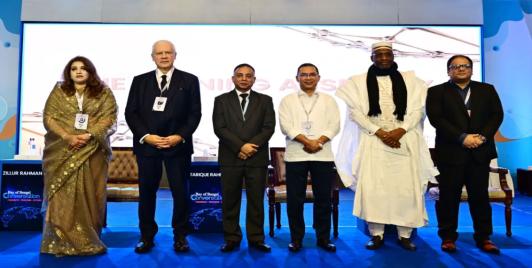
Three days of dialogue, debate, and engagement in Dhaka reinforced a sobering reality: despite ongoing discussions about multipolarity, middle powers, and strategic autonomy, great powers continue to shape the choices available to smaller states.
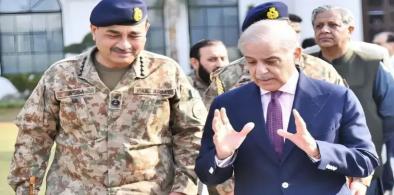
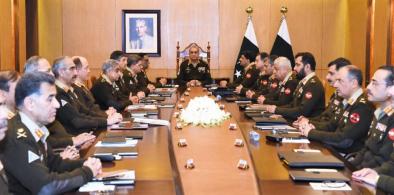
It would be simplistic to assume that every retired general appointed as an ambassador is an instrument of Asim Munir's influence. It would be equally complacent to dismiss the wider institutional implications of placing so many former military officers in diplomatic positions across several regions.

Arunachal Pradesh presents a particularly important dimension of the problem. China claims the northeast Indian state, refers to it as Zangnan, or South Tibet, and periodically challenges India's sovereignty through statements and the assignment of Chinese names to places within the state.
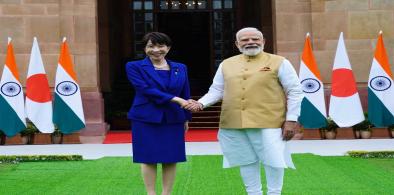
India and Japan should conduct regular stress tests involving scenarios such as disruption to an energy route, a cyberattack on logistics infrastructure, loss of an undersea cable or the unavailability of a specialized defense component.
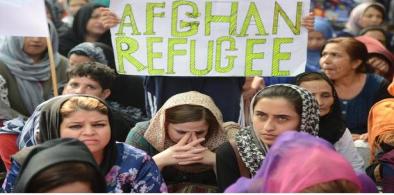
Given their situation, the only reason most Afghan refugees are staying on in India is to get a chance to go to any European country, writes Khatima Emami for South Asia Monitor
In a tumultuous fortnight, during which many an illusion was shattered at the turn of the year, some home truths emerged in the chronically accident-prone ties between India and Pakistan