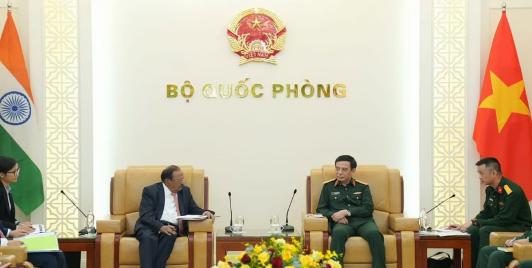

NSA Ajit Doval with Vietnam's National Defence Minister General Phan Van Giang

Strong Defence Ties, Yet Limited Trade: The India–Vietnam Economic Puzzle

One highlight is VinFast, Vietnam's electric vehicle producer, announcing an investment commitment of US$500 million for a manufacturing plant in Tamil Nadu in south India. The company has also engaged its Indian supply chain with more than 300 local suppliers, aligning with the host country’s domestic industrialization agenda.

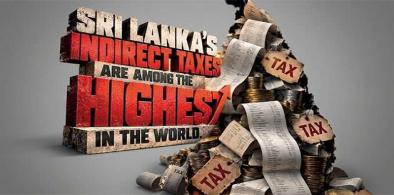
Sri Lanka’s Indirect Taxes are Among the Highest in the World: Negatively Impacting Middle Class

Sri Lanka is already seeing signs of higher inflation together with expected slowdown in overall GDP growth during next two years. But the worst impact is going to be gradual shrinking of the middle class and increase in poverty.

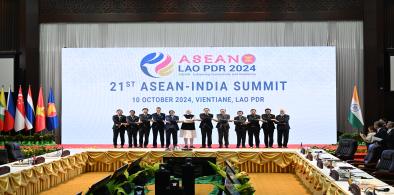
Building ASEAN–India Integration Through Digitalization: A Bridge to Strengthen Economic Relations with Southeast Asia

ASEAN–India integration through digitalization is therefore not merely a technical choice. It is a strategy to strengthen competitiveness, expand economic self-reliance, and build a stronger position within the Indo-Pacific economic order.

India's Poverty Reduction: But Is It Translating into Shared Economic Prosperity?

India has demonstrated that economic growth, social transfers and improved access to essential services can substantially reduce extreme deprivation. But the next stage will be considerably more demanding. It requires a different pattern of growth: one that creates productive jobs, raises real wages, increases women's economic independence and distributes the gains from growth more widely

More on Geoeconomics, Trade and Development

India Growing Rapidly, Yet Youth Restlessness and General Pessimism Remains a Paradox

Youth restlessness must be understood against this background. Families have invested in education, often through considerable sacrifice. Qualifications raise expectations of economic mobility. When stable employment remains elusive, disappointment is understandable.

Can South Asia Build a Microfinance System That Protects the Poor?

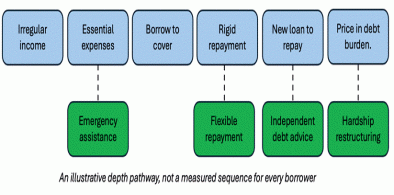
Samurdhi’s community-based banking system provides a foundation in Sri Lanka through savings, member participation and livelihood support. Bangladesh’s Grameen Bank offers useful lessons in lending without conventional collateral, organising small borrower groups and placing women at the centre of financial participation. 

Divided Growth in South Asia: Need for Regional Economic Architecture

The October 2026 IMF WEO projections show that South Asia's growth prospects do not follow a uniform pattern. These differences are not a reason to abandon regional cooperation, but rather a basis for strengthening more inclusive and productive integration mechanisms.

India's 'Refining Superpower': Key Role in Energy Security Amid Geopolitical Uncertainty

India may not match the United States or China in total refining capacity, but its sophisticated refining infrastructure, crude-processing flexibility, and export capability give it an important place in the global energy system. 

South Asia’s Development Finance Dilemma: Debt, FDI and the Search for Productive Capital

Remittances have become an unusually large source of external finance for South Asia. But a development model in which workers migrate because domestic employment is inadequate, and then send income home to support domestic consumption, cannot indefinitely substitute for creating productive employment at home.

Growth of Underground Economy and Rising Income Disparity is a Social Concern in Sri Lanka

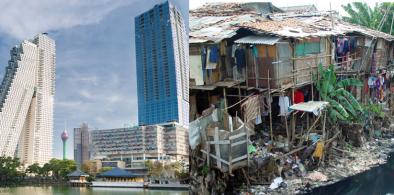
In 2025, Sri Lanka was ranked as the second most expensive housing market in the world based on rentals compared to average income. It is possible that market distortions caused by black economy and corruption have contributed to this. 

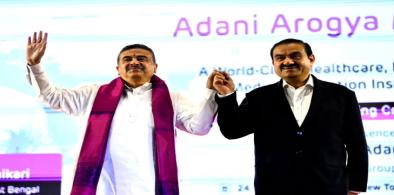
From Infrastructure to Investment: Building West Bengal’s Next Growth Cycle

The larger opportunity before West Bengal is therefore not another round of infrastructure creation in isolation. It is the creation of an ecosystem in which infrastructure, private capital, local enterprise and skilled labour reinforce one another. 

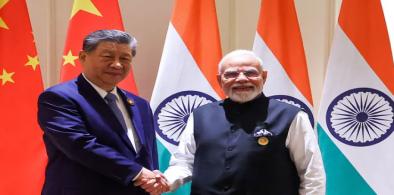
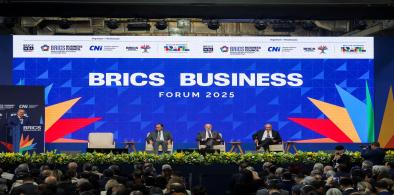
Did BRICS Help Thaw India-China Ties? Need to Convert Broken Ice into a Workable Business Relationship

Why not begin by reopening serious discussions with Chinese conglomerate BYD about an Indian factory? BYD is now one of the world’s dominant EV manufacturers. Its Indian ambitions were caught in the post-Galwan investment freeze. Invite it back to the table—but on Indian terms

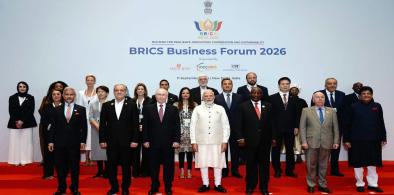
The Real Test for BRICS: More Choices for South Asia, or Just New Dependencies?

But the choice test applies to India as much as to the countries it hopes will follow its lead. If BRICS genuinely widens India's menu of markets, technology partners and financing sources without deepening its dependence on any one of them, it becomes a credible model for the rest of the Global South.

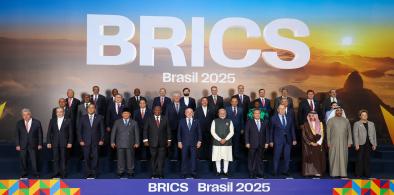
BRICS and the Mask of De-Dollarisation: Of Political Rhetoric and Financial Reality

India’s stand for a dollar-based system is not a rejection of BRICS alignment or unity, but it is a determined choice to act in favour of self-interest like any other founding member. The key difference is India’s position has been the most transparent of all founding members rather than standing behind the collective rhetoric.

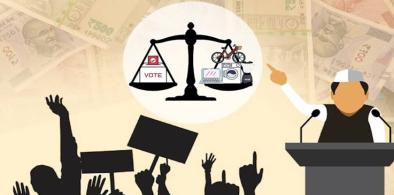
Welfare Politics and State Borrowing in India: Easy Populism or Developmental Necessity?

The evidence indicates that the increase in state borrowing over the past decade is best understood as the outcome of a changing fiscal federal system rather than simply an expansion of welfare politics.

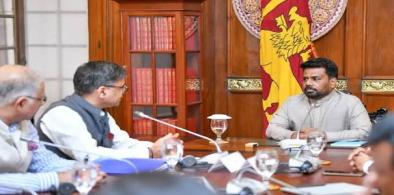
Slow Pace of Strategic Indian Projects: These Can Potentially be Gateways to Sri Lanka’s Economic Revival

For India, delays in its strategic projects are not merely bureaucratic setbacks but a matter of national security. Colombo’s motives remain opaque, but for New Delhi, a presence in Sri Lanka’s North and East is non-negotiable. 

Beyond De-Dollarisation: Payment Diversification and Debt Resilience for Global South Nations

India could potentially become a bridge between regional economies and the wider Asian and Global South payment architecture. Greater interoperability could support remittances, tourism, trade and financial inclusion while reducing some transaction costs.

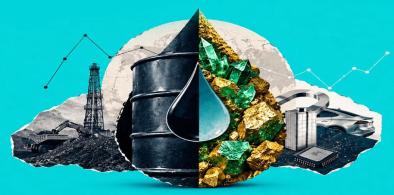
Critical Minerals: The New Oil of the 21st Century?

Critical minerals are not literally the new oil, but they may play a comparable role in defining the balance of power. The race has already begun, and India’s preparedness will determine whether it merely secures access to the resources of the new century or helps shape the industrial order that emerges from them.

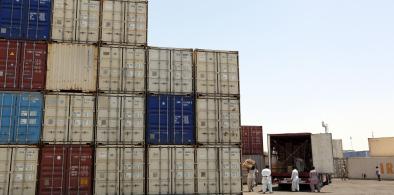
Trade Pivot Weakens Pakistan’s Grip on Afghanistan, as Others Move in

Afghanistan has sought to limit or reduce its structural vulnerability by moving trade through Iran’s Chabahar Port and Central Asian corridors. Kabul is realigning Afghanistan’s external economic geography by looking towards Iran, Central Asia, China and India.

Newsletter Subscription

The subscriber's email address.
Stay informed - subscribe to our newsletter.