China has denied reports that Sino Soar Hybrid Technology Co, the Chinese firm which was awarded three power projects by the Sri Lanka government, had withdrawn from the project


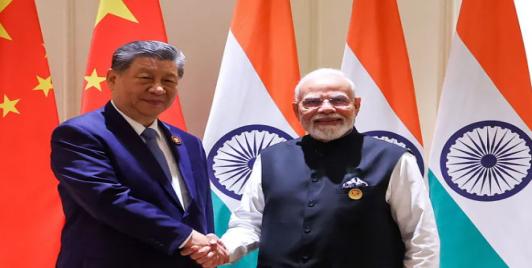
Why not begin by reopening serious discussions with Chinese conglomerate BYD about an Indian factory? BYD is now one of the world’s dominant EV manufacturers. Its Indian ambitions were caught in the post-Galwan investment freeze. Invite it back to the table—but on Indian terms
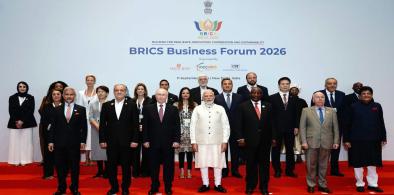
But the choice test applies to India as much as to the countries it hopes will follow its lead. If BRICS genuinely widens India's menu of markets, technology partners and financing sources without deepening its dependence on any one of them, it becomes a credible model for the rest of the Global South.
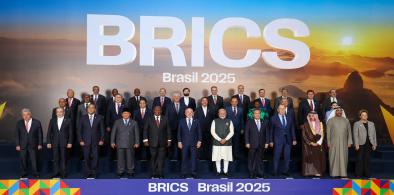
India’s stand for a dollar-based system is not a rejection of BRICS alignment or unity, but it is a determined choice to act in favour of self-interest like any other founding member. The key difference is India’s position has been the most transparent of all founding members rather than standing behind the collective rhetoric.

The evidence indicates that the increase in state borrowing over the past decade is best understood as the outcome of a changing fiscal federal system rather than simply an expansion of welfare politics.
China has denied reports that Sino Soar Hybrid Technology Co, the Chinese firm which was awarded three power projects by the Sri Lanka government, had withdrawn from the project
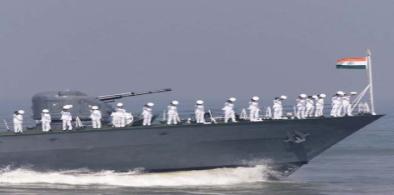
Indian Navy Chief, Admiral Radhakrishnan Hari Kumar said India was maintaining a close vigil on Chinese asset deployments in the Indian Ocean Region, and that during the peak of tensions at the India-China border earlier last year Indian naval assets were kept battle-ready
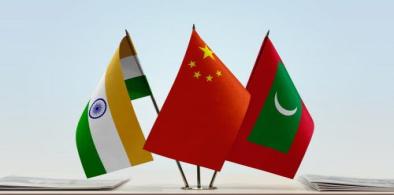
In a significant development, the Maldives has roped in Sino Soar Hybrid Technology, the Chinese firm whose projects Sri Lanka had canceled after objection from India over security concerns, to design, supply, and install power generation plants in 12 of its 200 inhabited islands. Significantly, the archipelago officially follows the ‘India First’ policy
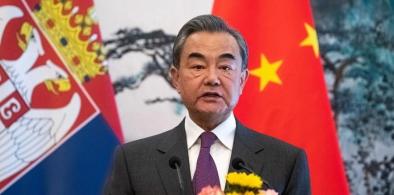
The RIC Grouping (Russia, India, China) demonstrates genuine multilateralism in relations to the world, Chinese Foreign Minister Wang Yi said on Friday and "China will work with Russia and India acting in the spirit of openness, solidarity, trust and cooperation, in the spirit of the RIC mechanism.
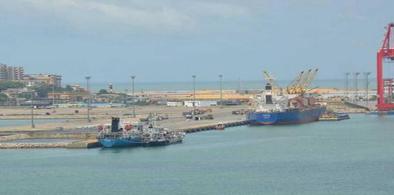
Sri Lanka has awarded the contract for developing the second phase of the East Coast Terminal (ECT) of Colombo Port to China Harbour Engineering Company (CHEC)
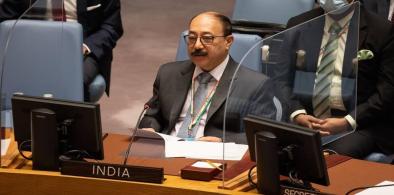
In the wake of China’s “aggressive posture” and its attempts at “multiple transgressions along the border” last year, India is very carefully examining its options with regard to its trade and investment ties with Beijing to ensure that New Delhi’s “integrity and security remain intact”, Indian Foreign Secretary Harsh Vardhan Shringla said on Wednesday
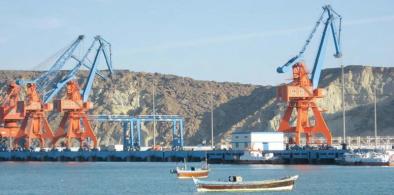
Gwadar, a southwestern port city in Pakistan, has been witnessing prolonged protest as locals staged sit-in on a key highway demanding the removal of security checkpoints, end to electricity shortage, and illegal fishing
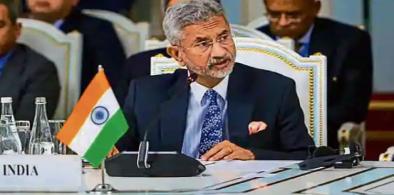
India and China are going through “a particularly bad patch” in their relationship because Beijing has taken actions “for which they still don’t have a credible explanation”, and the Chinese leadership has to take a call on where they want to take the bilateral ties, External Affairs Minister S Jaishankar said on Friday

Tensions between Sri Lanka and China over a shipment of rejected fertiliser continued to simmer as the Commercial High Court on Friday extended an interim order preventing the payment to China’s Qingdao Seawin Biotech Group Co. Ltd
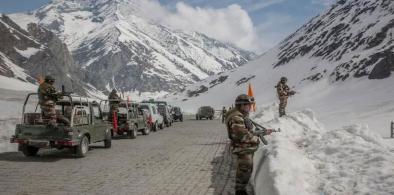
India and China on Thursday agreed on the need to find an early resolution to the remaining issues along their Line of Actual Control (LAC) in Eastern Ladakh and to hold the next round of the senior commanders meeting at an early date
Tensions ratcheted up between Sri Lanka and China over a shipment of rejected fertiliser, with Sri Lankan Director General of Agriculture Dr. Ajantha Silva stressing on Monday that Colombo has not agreed to re-test the rejected Chinese organic fertiliser by a third party, a day after Beijing’s envoy announced that a re-test was being done
Tensions between Sri Lanka and China over a rejected shipment of contaminated Chinese fertilizer continued, with Colombo on Saturday hardening its stand and refusing to conduct a re-test of the fertilizer, even as the Sri Lankan cabinet has okayed the purchase of more nano nitrogen fertilizer from India
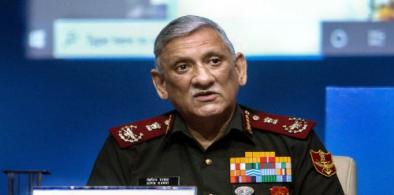
China has only upgraded infrastructure along the border in India's northeast, and new villages have not come up, India's Chief of Defence Staff General Bipin Rawat said on Thursday, saying pointedly that the country's main adversary was China, and not Pakistan
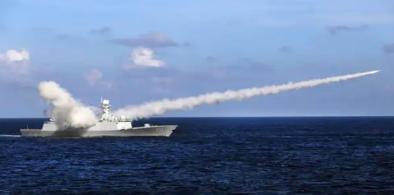
China has delivered to Pakistan this week its biggest stealth warship, a Type054 frigate, in a move that will strengthen the latter’s position in the Indian Ocean, the area traditionally dominated by India
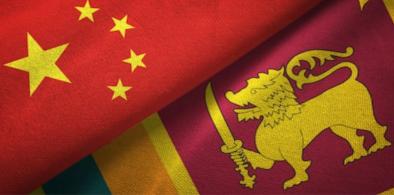
The fertilizer row that erupted late month between the Sri Lankan government and a Chinese firm, Qingdao Seawin Biotech Group Co Ltd, is showing no signs of ending anytime soon as the firm has now demanded $8 million in compensation, weeks after the former canceled the contract citing contamination