India on Thursday forcefully reiterated that it will not accept any unilateral attempts to change the status quo along the Line of Actual Control (LAC) with China


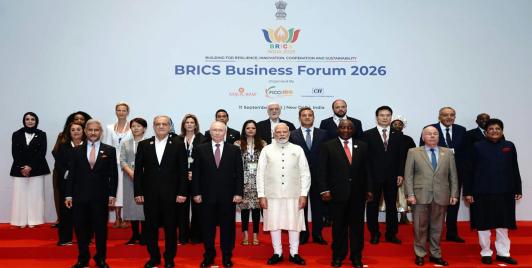
But the choice test applies to India as much as to the countries it hopes will follow its lead. If BRICS genuinely widens India's menu of markets, technology partners and financing sources without deepening its dependence on any one of them, it becomes a credible model for the rest of the Global South.
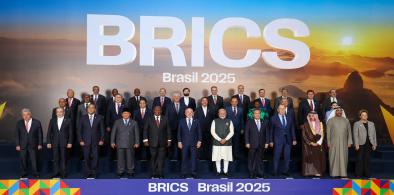
India’s stand for a dollar-based system is not a rejection of BRICS alignment or unity, but it is a determined choice to act in favour of self-interest like any other founding member. The key difference is India’s position has been the most transparent of all founding members rather than standing behind the collective rhetoric.
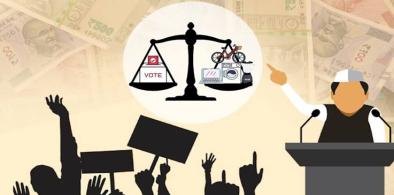
The evidence indicates that the increase in state borrowing over the past decade is best understood as the outcome of a changing fiscal federal system rather than simply an expansion of welfare politics.
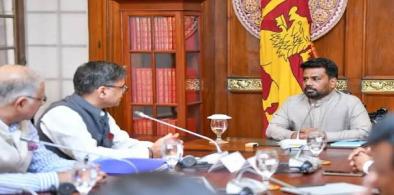
For India, delays in its strategic projects are not merely bureaucratic setbacks but a matter of national security. Colombo’s motives remain opaque, but for New Delhi, a presence in Sri Lanka’s North and East is non-negotiable.

India on Thursday forcefully reiterated that it will not accept any unilateral attempts to change the status quo along the Line of Actual Control (LAC) with China

The disengagement between India and China hit a roadblock in eastern Ladakh as Chinese troops have not moved back from the Line of Actual Control (LAC) in line with the consensus arrived at during the disengagement talks between both the countries

US Secretary of State Mike Pompeo on Wednesday commended India for banning 59 Chinese apps including TikTok citing a serious security risk even as he launched a scathing attack on China, saying that Beijing cannot threaten countries and "bully them in the Himalayas"

While social media and its troll armies are brutal most of the times, it is also a blessing in disguise for those who wish to just let bad feelings vanish quickly so that things can be brought back on track

US Secretary of State Mike Pompeo said on Wednesday he was confident that through "concerted effort" India and the US can protect their interests in the face of China's “unacceptable behaviour.”

For Chinese Ambassador in Bangladesh, Li Jiming, bringing Chinese companies to Dhaka is not the only priority

Relentless in its aggression towards its neighbours during the coronavirus pandemic, China has once again staked claim over the Sakteng Wildlife Sanctuary in Bhutan

India's Ministry of Electronics and Information Technology (MeitY) has directed the 59 banned Chinese apps to strictly adhere to the orders or face serious action in case of violation, sources said

Chinese Ambassador to Bangladesh Li Jiming will be the first volunteer to take part in the final or phase-3 human trial of a prospective Chinese COVID-19 vaccine in Bangladesh
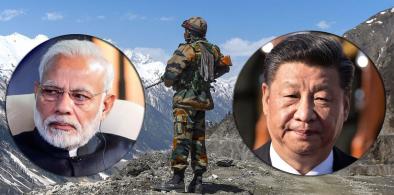
China is showcasing its capability and capacity to move on from COVID and to simultaneously engage militarily and provocatively (belligerent actions against 27 immediate and near continental and maritime neighbours) in SCS and ECS, and India, and economical and diplomatic coercion elsewhere, writes Lt Gen P R Kumar (retd) for South Asia Monitor

China Pakistan Economic Corridor (CPEC) Authority Chairman Lt Gen (R) Asim Saleem Bajwa said that work on CPEC projects are going on across the country

As Tehran's relationship with Washington remains fidgety, it is walking a tightrope in its bilateral relationships with the US' rival, China and ally, India

Indian and the US navies carried out a swift exercise close to the Andaman and Nicobar islands on Monday as the stand-off between India and China continues for over two months
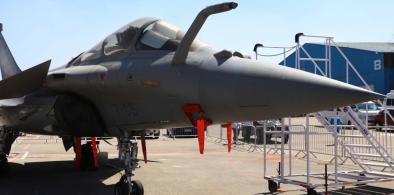
At least five out of the first batch of 36 Rafale fighter aircraft are likely to join the Indian Air Force (IAF) by July end, providing it much-needed muscle amid a depleting fighter strength

Authorities in Bangladesh have approved Stage 3 trials of a potential COVID-19 vaccine developed by Chinese firm Sinovac Biotech