India has some deep soul-searching to do as we explore the question: Are we truly a democratic nation? Or is democracy the story we sell to ourselves and the world when the nation and its people know that we are not what we think or claim to be?


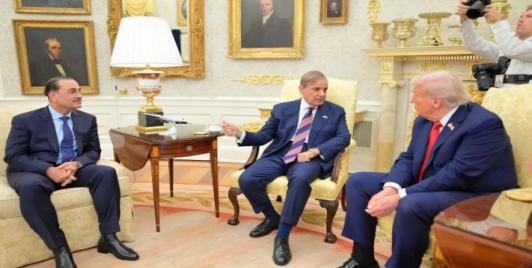
At independence, Pakistan's economy was competitive with India's. Today India's is more than ten times larger, and Pakistan is on roughly its 25th IMF program. Investors rarely abandon a country simply because it is poor. They leave when they cannot tell who actually decides.
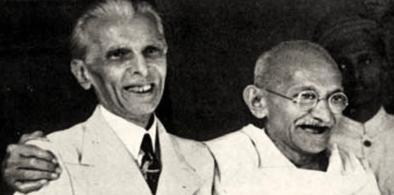
The young need not become another opposition. They could become an independent democratic force that questions every government but belongs to none; that protests when necessary but constructs continuously; that demands accountability from institutions while practising accountability itself.
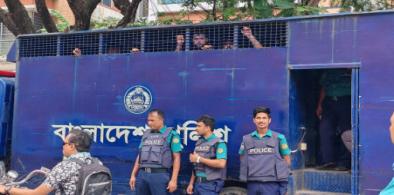
To what extent has the current BNP government been able to realise the vision that drove the 2024 mass uprising in Bangladesh? Will the BNP government, too, manipulate state mechanisms and law enforcement agencies to serve its own interests, much like the previous Sheikh Hasina regime, to suppress the opposition and silence critics? The government must therefore take serious steps to amend police laws and prevent deaths in police custody. This is one of the crucial reforms facing the administration.
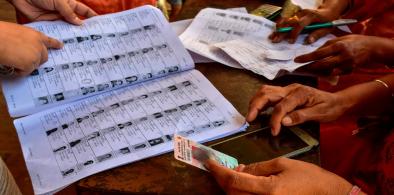
The Commission's authority rests ultimately on public confidence. Like Caesar's wife, the Election Commission must be above suspicion. It should welcome scrutiny and answer legitimate questions, especially when millions of voting rights are involved.

India has some deep soul-searching to do as we explore the question: Are we truly a democratic nation? Or is democracy the story we sell to ourselves and the world when the nation and its people know that we are not what we think or claim to be?
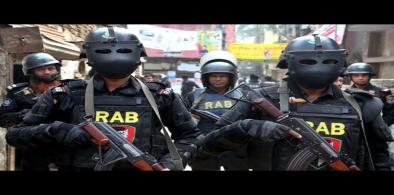
Bangladesh still has a terrorism problem and cross-border drug cartels pose a significant threat to its national security. And the elite force remains one of the important agencies to curb terrorism and narcotics control.

The reason we are losing nature boils down, in my mind, to one basic problem: our inability to perceive the difference between public benefits and private profits.
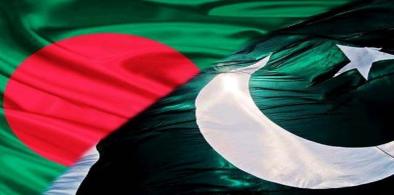
Pakistan will never catch up with Bangladesh in the race for economic development. The GDP growth rate of Bangladesh increased gradually to 8.13 percent in the fiscal year 2018-19. In 2020-22, the impact of the novel coronavirus pandemic and the Russia-Ukraine war slowed down the growth rate of Bangladesh, but it was much higher than that of Pakistan and the growth rate is estimated to exceed 6.5 percent in the fiscal year 2022-23.

Another result of Jaishankar’s active advocacy for the Global South is the recently held “Voices of Global South Summit” which was hosted by India. Jaishankar led the summit with participation from 120 developing countries.

I believe that the increased regulation of cryptocurrencies is a necessary step to ensure the stability of the financial system and protect consumers, and can be achieved through collaboration between governments and industry participants.

There is a culture that refuses to understand the pain of an entire class of population subjugated over the centuries, a harshness that translates in general to every other aspect of Indian life, superimposed on which is the ever-present threat of violence (State and non-State) that makes the claim of a nation that stands for non-violence hollow.

Across India, accessing the correct eligibility documents is many times harder for the poor than an average privileged caste and a class person. If we add complex digital interfaces for application to paperwork ordeal, then the experiences of the poor worsened. This burdensome citizen experience either dampens the confidence of citizens in welfare policy or reduces the net benefit access due to the cost borne by the citizen.
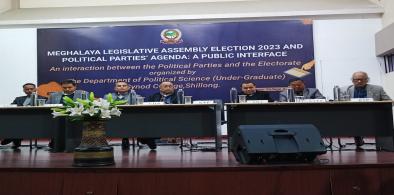
It was interesting to observe how focused party representatives and voters in this small northeastern state bordering Bangladesh were on basic development issues; and how vocal voters are in seeking their basic rights at the local level, perhaps showing what genuine grassroots democracy should reflect.

The government has a choice it can sit back and do nothing, or it can choose swift regulatory action and full-fledged investigations into what has been alleged to be, in the words of Hindenburg Research, “the world’s 3rd richest man pulling the largest con in corporate history.”
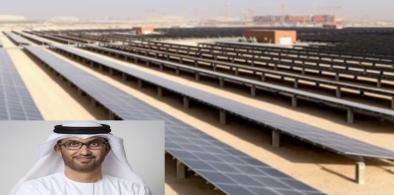
Dr Al Jaber has been awarded the Champion of the Earth award from UNEP. Indian Prime Minister Narendra Modi conferred on him a lifetime achievement award for his contributions to energy security, building bridges to emerging Asian economies, and reshaping traditional energy business models.

No doubt that the Adani Group will do its utmost to bounce back, but regulators and policymakers must ensure that investors’ trust in the markets is not dented. India’s stock markets are world leaders in terms of technology and surveillance systems. The regulators and exchanges must match that in terms of excellent governance and strengthening the foundation of trust.
The newly developed missile, fired from a canister, can make precise manoeuvres before impacting a target.
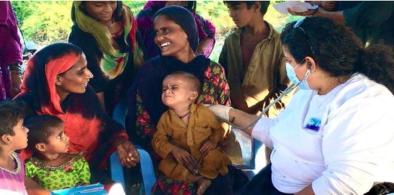
Flash floods destroyed 70 per cent of the region’s standing summer crop. The stagnant flood water has derailed the planting of the next crop. For a population already tethering on the brink, this spells doom. I’m petrified of the famine looming on the horizon – something my friends at the #FixSindhDrainage Twitter Space have been communicating for the past three months.
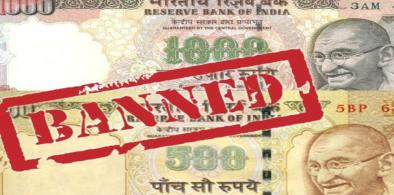
The net impact of the overall Rs.32.12 lakh crore currency in circulation at present is that the benefit of demonetisation stands undone, resulting in a disturbing level of growth of a parallel economy and corruption in the country.