

A Ceasefire Without Peace: Breathing Space for Difficult Compromises or Interval Before Next Confrontation? (Part I)
The most urgent and vital issue is the future management of the Strait of Hormuz. This narrow waterway supports a large part of the world’s energy supply. For many years, its security relied on Western naval dominance. That belief has now been challenged.Iran has demonstrated it can disrupt, threaten, and influence traffic through the Strait.
 Apr 09, 2026
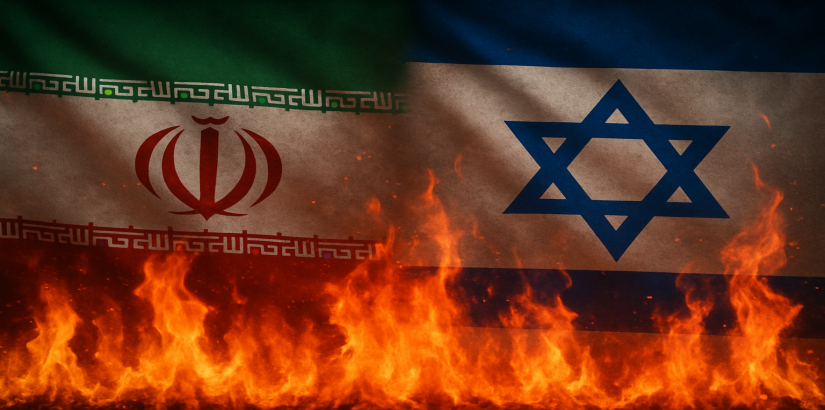
The ceasefire announced in the Gulf is hailed as a diplomatic breakthrough, but its fragility and conditional nature make it a critical point for regional stability and strategic planning.
The process that led to this ceasefire reflects the evolving nature of regional diplomacy. Traditional power centres did not act alone. Pakistan, Egypt, and Turkey played visible roles, but the real influence came through informal channels, especially Pakistan’s access and sway within segments of the Trump-era political landscape in Washington. This highlights the importance of strategic adaptability and the influence of informal networks, which the audience should recognise as vital.
However, the ceasefire itself remains fragile. It has not addressed fundamental disagreements; it has only postponed them.
A Conflict Without Closure
At the core of the issue is the lack of decisive outcomes. Neither side has succeeded in imposing its will. Iran has shown resilience and operational ability, absorbing pressure while responding in ways that alter deterrence calculations. This resilience should be acknowledged as a key factor in understanding the ongoing strategic environment, encouraging the audience to remain cautiously confident.
This creates a new strategic reality, as Iran's testing of escalation limits shows it is no longer negotiating from a defensive stance, affecting regional power balances and deterrence calculations.
This matters because ceasefires depend not just on agreements but on incentives. If one party believes it has gained leverage, it has little reason to concede quickly.
The Unresolved Core
The most urgent and vital issue is the future management of the Strait of Hormuz. This narrow waterway supports a large part of the world’s energy supply. For many years, its security relied on Western naval dominance. That belief has now been challenged.
Iran has demonstrated it can disrupt, threaten, and influence traffic through the Strait. Even brief disruptions have worldwide impacts. This changes the Strait from a neutral route into an active tool of strategy. Any long-lasting agreement will have to address tough questions. Can the Strait stay an international waterway in practice if one regional power can control its flow? Can outside powers ensure freedom of navigation without escalating conflict?
And perhaps most crucially, will Iran accept any framework that limits its influence without gaining significant concessions? These are not technical issues. They are political and strategic. And currently, there are no clear answers.
Between Moderation and Control
Another layer of uncertainty exists within Iran itself. There are signs that more pragmatic or moderate elements might be becoming more visible. These actors, especially within diplomatic and legislative circles, could be more receptive to negotiation and compromise.
However, their rise does not automatically lead to policy change. Real power in Iran is complex and distributed. The Islamic Revolutionary Guard Corps remains a key player. It controls important military assets, influences economic sectors, and plays a decisive role in strategic decisions. The relationship between emerging moderates and entrenched power structures will shape Iran’s negotiating stance. If moderates can align with national interests without seeming weak, they may create space for diplomacy. If not, hardline positions will dominate.
This internal balance is fluid. It can shift quickly, especially under external pressure.
The Nuclear Question
The issue of Iran’s nuclear capabilities remains the most sensitive and consequential. It is not just about technology or enrichment levels; it concerns leverage.
Iran is unlikely to treat its nuclear program as a liability to be surrendered. Instead, it will see it as a bargaining chip. Any discussions on enriched uranium, inspection regimes, or limitations will be linked to broader demands.
These might include security guarantees, sanctions relief, and possibly a reorganisation of regional power structures. Iran has learned from past negotiations that concessions without guarantees can leave it vulnerable. It will not easily repeat that mistake.
There is also the question of sequence. Will Iran agree to limits first, or demand reciprocal steps? Will external powers accept a phased approach or push for immediate compliance? These differences can block negotiations before they even start.
Secondary Layer of Power
While nuclear issues dominate headlines, Iran’s missile and drone capabilities pose a different kind of challenge. They are operational, deployable, and have already been tested in conflict scenarios. These systems give Iran an asymmetric advantage. They are harder to counter, relatively affordable, and capable of targeting critical infrastructure.
Therefore, they will likely be part of future negotiations. However, they are a secondary priority compared to nuclear issues. This does not make them less important, but it suggests they are more likely to be addressed later or as part of broader security arrangements.
Limits of External Pressure
One of the main assumptions in past policy was that persistent pressure would eventually compel Iran to comply. That assumption now seems less certain.
Iran has faced sanctions, isolation, and military pressure. It has adjusted its economy, expanded its partnerships, and built internal resilience. While this does not make it immune, it does make Iran harder to predict.
More importantly, recent conflicts have given Iran a sense of strategic validation. It has tested the system and come through. This affects how it assesses risks.
External actors need to consider a different strategy. Pressure alone might not produce results. Engagement without leverage can also fail. The challenge is to find a balance that recognises Iran’s abilities while addressing broader security issues.
Ceasefire Built on Time, Not Trust
Ultimately, this ceasefire is not based on trust. It is based on time. It provides breathing space for all sides and allows for reassessment, repositioning, and recalibration. However, time affects both positively and negatively. It can open doors for diplomacy or deepen mistrust. Without clear progress on core issues, the latter becomes more likely. The risk is that the ceasefire turns into a holding pattern, marked by incidents, misunderstandings, and gradual escalation. This kind of environment is inherently unstable.
Calm Before Strategic Reckoning
The current ceasefire should not be mistaken for peace. It is a pause driven by necessity, not resolution. Beneath its surface, unresolved disputes remain, shaping the next phase of regional politics.
The Strait of Hormuz remains contested. Iran’s internal dynamics are changing but remain uncertain. The nuclear issue remains as complicated as ever. External pressure has become less effective, while new forms of influence are emerging.
What happens next depends on whether the involved actors can move beyond tactical manoeuvres to strategic clarity. That involves difficult compromises, credible guarantees, and a willingness to accept new realities.
If they fail, this ceasefire will be remembered not as the start of stability, but as the interval before the next confrontation.
(Lt Col Manoj K Channan, an Indian Army veteran, is a strategic analyst. Views expressed are personal. He can be reached at manojchannan@gmail.com; linkedIn www.linkedin.com/in/manoj-channan-3412635; X @manojchannan.
Brig Arun Sahgal, PhD, an Indian Army veteran, is the Director Forum for Strategic Initiatives. He was previously the founding Director of the Office of Net Assessment, Indian Integrated Defence Staff (IDS), Ministry of Defence and Centre for Strategic Studies and Simulation, United Service Institution of India)







Post a Comment