Love for book reading cannot take place overnight. All of us need to work together to make our children get into the habit of reading books. So on every occasion, we should gift books to children.



South Asia often discusses youth mobility after a student has already decided to leave the region. A stronger regional system would give students another option before that point: international experience that is close enough to be practical, but different enough to change what they learn.
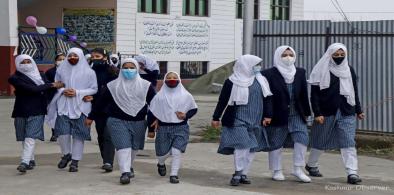
If dummy admissions, prolonged school absenteeism, and an unregulated coaching culture continue unchecked, we may end up producing students who have spent enormous amounts of time and money on education without actually receiving the education they need.
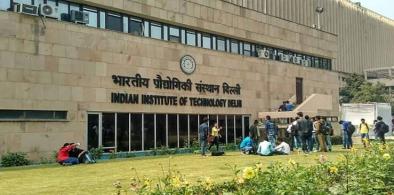
If South Asian governments urgently review and reform their education systems, the region can all benefit within 15 years from our demographic dividend and unleash the region's immense knowledge and growth potential within a generation.New education systems must be interactive and inter-operative to allow free movement of professionals, capital and labour around the region
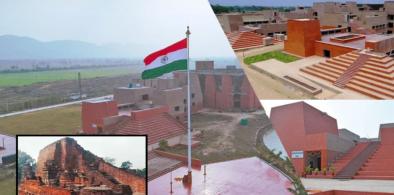
Nalanda serves as a counterweight to the historic monopoly of Western universities over social, political, and ecological theory. It invites Asian and African scholars to address regional dilemmas such as resource sovereignty, post-colonial statehood, and sustainable modernization using indigenous analytical categories.

Love for book reading cannot take place overnight. All of us need to work together to make our children get into the habit of reading books. So on every occasion, we should gift books to children.
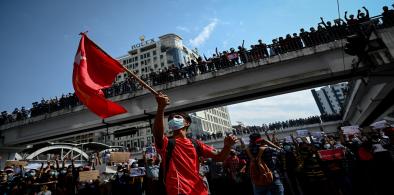
The Tatmadaw's violence, repression, and civil war in Myanmar have left people living in perpetual fear and uncertainty. The international community must restore democracy to Myanmar's youth and give displaced people like the Rohingyas new hope.
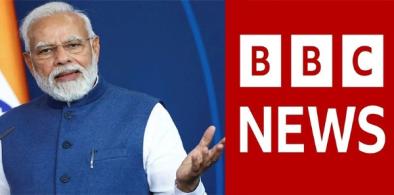
BBC has since decades been projecting the Indian Army and security forces who have been bearing the brunt of terrorism in J&K and the Northeast for decades as violators of human rights, very often at the behest of terrorist organisations through their overground representatives and separatists.

If autonomy, creativity, freedom to design curriculum, the appointment of faculties, and incentivization of research are used as a sales pitch to lure world-acclaimed institutions, why not set your own house (Indian universities) in order first? Why not harness the potential of Indian universities like the JNU instead of stigmatising them?
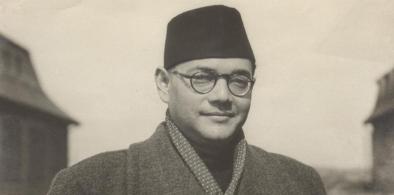
But unfortunately, the entire history, struggle, and ideas of nationalism of Netaji are restricted to a few paras in history textbooks.

The Wickremesinghe government argues that sustained protests undermine the rule of law and create an anarchical situation in the country. Using these justifications, the government has been continuing its brutal and often violent repression in order to remain in power.

The troubled Rakhine region of Myanmar can potentially become a trade hub between Bangladesh and Myanmar.

If we keep our noses clean it will help us to remain healthy and happy!

The pre-conditions for the wishes on the eve of 2023 for peace and harmony to be realized is that the battle for the future has to be fought and won in the minds and hearts of the people.

This sorry situation in Indian engineering education is not the students' fault, but a skewed and faulty education system that focuses only on the numbers.
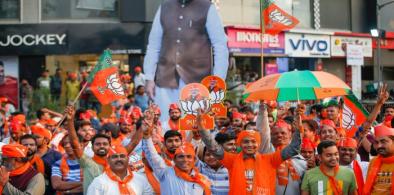
We had been a society where a joint celebration of festivals was part of our common culture. Now things have come to such a pass that provocative actions are planned to ensure a divisive trajectory in society.

The present edition of Freedom at Midnight is in its 36th edition since 1975.
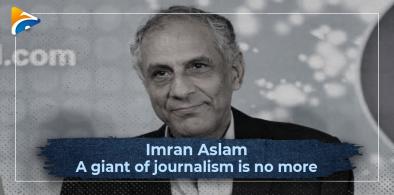
His creativity included Aman Ki Asha, the ‘hope for peace’ project between Pakistan and India for which he penned the groundbreaking joint editorial, as well as other projects for education and rational thinking.
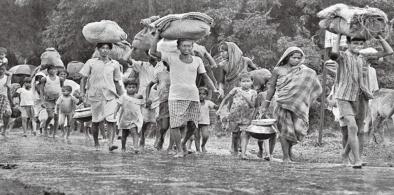
Until Pakistan apologizes for the genocide of 1971, it will remain a disgraced nation in the annals of human civilization.

Another important aspect of the Constitution is the protection of minorities. There are abundant safeguards to protect minorities against the arbitrary use of power by the majority. As Dr. Ambedkar said, "The majority has a duty toward minorities, as the latter have chosen to be under majority rule".