





Air Power and National Security: Strategic Choices that the Indian Air Force Needs to Make
Air power will remain central to national security. Whether India has enough of it, in the right form, and can afford it in scarce dollars, is still an open question. ACM Singh is to be commended for his distinguished service and stellar leadership – and more importantly – rendering objective professional advice to the apex leadership, an increasingly rare trait in the current times.

Nonalignment and Strategic Autonomy Unworkable for Small States: 'India First' Policy a Strategic Necessity for Sri Lanka
Under conditions of what is increasingly described as the "Great Fragmentation," Sri Lanka's geographic proximity to India should be viewed as a strategic advantage rather than a liability. Properly managed, this strategic reality could help transform Sri Lanka into a prosperous and stable nation.
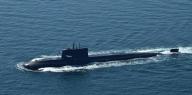
Pakistan’s Hangor-Class Fires Its First Missile. Can It Shift the Maritime Balance in South Asia?
The September 27 firing is therefore best seen as the beginning of a new phase in Pakistan’s naval modernization. The larger strategic question is still open. Whether Hangor changes the regional maritime balance will depend on what comes next
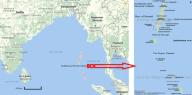
India Strategically Transforming Bay of Bengal Islands Into a Major Trade, Logistics and Military Hub
The Great Nicobar Island Development Project (GNIDP) is a mammoth venture by India to strategically strengthen its presence in the Andaman Sea and Southeast Asia with its own transshipment hub. The mega-infrastructure project spans approximately166.10 sq km covering about 15% of the total landmass of Great Nicobar Island at the southernmost tip of the Andaman and Nicobar archipelago.