The Himalayas are not collapsing because humanity exists, but humanity is creating a warmer world in which the Himalayas are becoming less predictable. The real question is no longer whether climate change will alter the mountains. It already is.


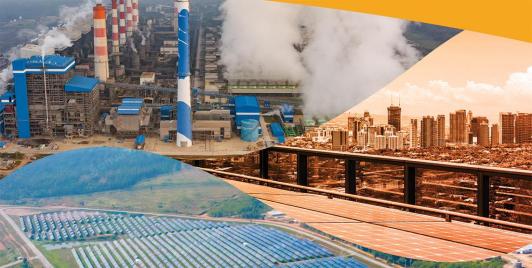
The larger economic choice for South Asia is therefore broader than whether to participate in carbon trading. The region can remain primarily a supplier of relatively inexpensive mitigation outcomes, or it can also develop the technology, professional capacity, financial products and verification systems that determine what those outcomes are worth.

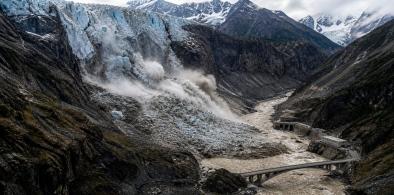
On top of that is our own unsustainable living that is creating large-scale havoc on the planet. They include construction of large dams, roads, and tunnels in the fragile Himalayan region. These activities together with the melting of glaciers due to global warming are bound to create worse natural disasters in the coming years.
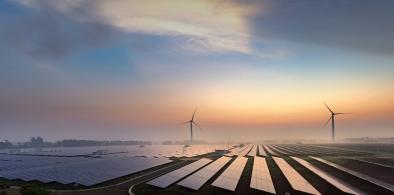
The regional opportunity is particularly significant in electricity. Nepal and Bhutan can potentially export hydropower; India can provide the scale of demand and investment required to create a regional electricity market; Bangladesh can become an important electricity consumer; and Sri Lanka and Pakistan can expand solar and wind. Greater cross-border electricity trade could allow countries to exploit complementary renewable resources and reduce the need for expensive domestic backup capacity.
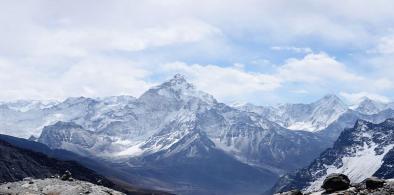
A genuinely regional approach could eventually include - besides Nepal, China and India - Bhutan and, where relevant, downstream institutions in Bangladesh. Organisations with established Himalayan expertise, particularly the International Centre for Integrated Mountain Development in Kathmandu, could offer scientific and institutional support.
The Himalayas are not collapsing because humanity exists, but humanity is creating a warmer world in which the Himalayas are becoming less predictable. The real question is no longer whether climate change will alter the mountains. It already is.
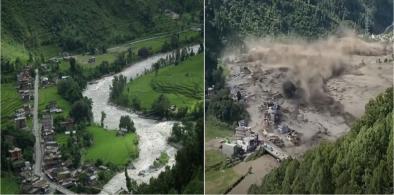
My eldest aunt was swept away. So was her son, my dai Madhu, and his wife. My other aunt — gone too, they told me. Her grandson Sijan and his wife, caught in the same water. His own son and daughter-in-law, unreachable, unaccounted for. My maternal uncle had gone out that morning to cut grass for the cattle. He never came back.
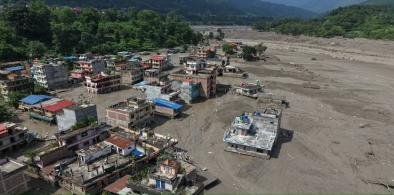
No technology can stop an avalanche. But the tragedy of events like Wednesday's is that the fatal interval between the trigger high in the mountains and the flood wave reaching villages downstream is often 20 minutes to a few hours. That window is exactly where artificial intelligence, coupled with sensors and satellites, earns its keep.

The implications of mismanagement extend far beyond groundwater depletion. Foreign investors have withdrawn a record $30 billion from Indian equities so far in 2026. Regional data suggests investors have relocated their withdrawals across Taiwan and South Korea’s AI and semiconductor ecosystems.

A university in India should be able to learn from one in Africa. A Latin American campus should be able to adapt an innovation developed in Asia. Universities should be able to compare pathways, learn from failures, share data and accelerate solutions. This is where SCCN can play a distinctive role
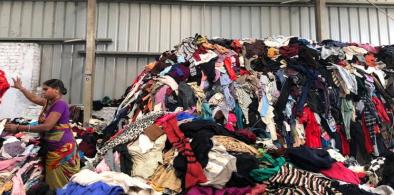
Unlike many regions where imported garments quickly become waste, countries such as India have built thriving ecosystems of repair, resale and recycling. Long before the "circular economy" entered policy vocabulary, informal markets and recycling clusters had already extended the life of clothing through reuse and material recovery.

If Earth Overshoot Day falls on 30 July in 2026 , humanity is currently effectively requiring nearly one and three-quarter Earths to sustain its present patterns of production and consumption.

Climate change is reshaping national security in South Asia. Military preparedness, though important, cannot make up for decaying infrastructure, failing water systems, or recurrent economic disruptions brought on by extreme weather. Governments must expand the definition of security to incorporate climate resilience as a central strategic goal.
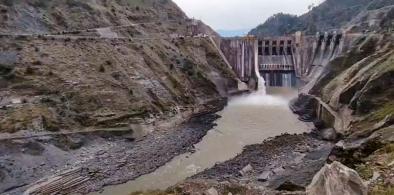
Even full development of India’s permitted hydropower and storage rights under the Indus Waters Treaty expands utilisation, but does not translate into control over downstream flows into Pakistan. The debate, therefore, is not about the ability to stop water. It is about how effectively each side uses what geography and law already permit.
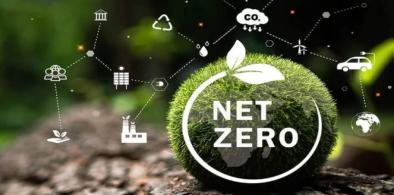
A just transition in India therefore requires targeted, context-specific strategies—supporting coal-dependent regions, strengthening reskilling and social protection (especially for informal workers), and aligning sectoral decarbonisation with employment generation. Ultimately, the transition’s success will depend not only on reducing emissions, but on its ability to protect livelihoods and enable inclusive, equitable growth.

While the rising sea level and warming oceans are undeniably a part of the crisis in the Sundarbans, other factors are also in play. It's a tale of criminal enterprise, regulatory failure and violent dispossession of some of the world's most vulnerable people.
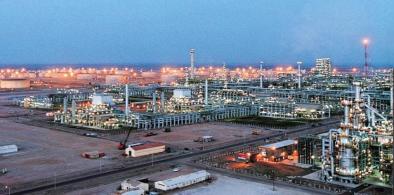
India is not merely a buyer of cheap oil from Russia or an exporter of refined fuels to Europe. India is a system stabiliser, ensuring the flow of oil in the world market in the context of economic necessity as well as geopolitical compulsions. India ranks among the top five refining nations globally.

European green laws represent a major shift in the relationship between trade and environmental sustainability. For South Asia, they create both risks and opportunities. While compliance costs and market access challenges are real, these regulations can also accelerate the region's transition towards greener and more resilient economic development. The long-term success of South Asian economies will depend on their ability to integrate sustainability into industrial growth strategies while ensuring that environmental goals complement, rather than hinder, broader development objectives.

India's Gen Z seeks opportunity, purpose and impact. The cockroach's greatest lesson is not survival but service—quietly sustaining ecosystems through recycling, resilience and adaptation. As young people lead the journey towards sustainability and Net Zero, the question is not whether they are cockroaches, but whether they will learn from them.
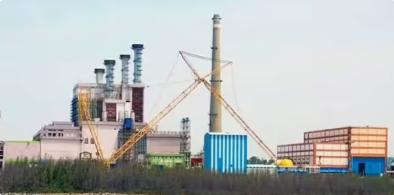
India maintains a separation between civilian and military nuclear programmes and remains outside the Nuclear Non-Proliferation Treaty (NPT). Consequently, the PFBR is not under International Atomic Energy Agency (IAEA) safeguards.