A Pakistani parliamentary delegation, led by Speaker Asad Qaiser, was turned back from Kabul on Thursday as their plane was refused landing permission citing “security reasons, media reports say


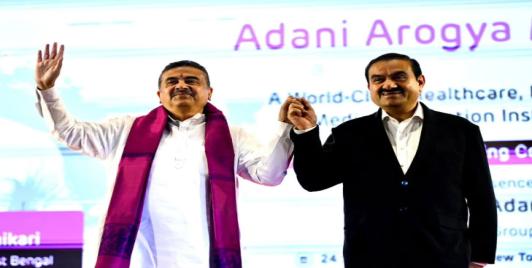
The larger opportunity before West Bengal is therefore not another round of infrastructure creation in isolation. It is the creation of an ecosystem in which infrastructure, private capital, local enterprise and skilled labour reinforce one another.
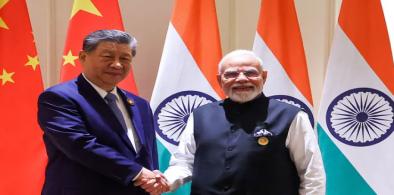
Why not begin by reopening serious discussions with Chinese conglomerate BYD about an Indian factory? BYD is now one of the world’s dominant EV manufacturers. Its Indian ambitions were caught in the post-Galwan investment freeze. Invite it back to the table—but on Indian terms
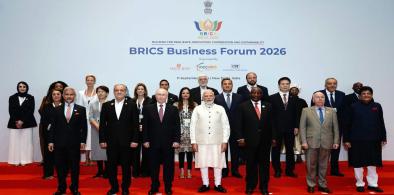
But the choice test applies to India as much as to the countries it hopes will follow its lead. If BRICS genuinely widens India's menu of markets, technology partners and financing sources without deepening its dependence on any one of them, it becomes a credible model for the rest of the Global South.
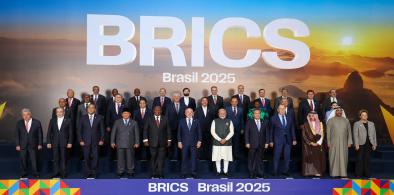
India’s stand for a dollar-based system is not a rejection of BRICS alignment or unity, but it is a determined choice to act in favour of self-interest like any other founding member. The key difference is India’s position has been the most transparent of all founding members rather than standing behind the collective rhetoric.
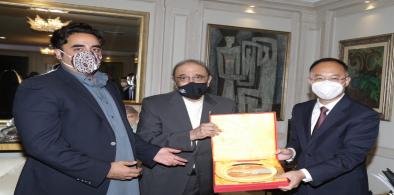
A Pakistani parliamentary delegation, led by Speaker Asad Qaiser, was turned back from Kabul on Thursday as their plane was refused landing permission citing “security reasons, media reports say
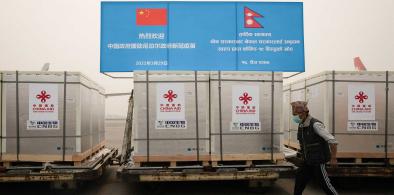
Nepal on Wednesday started inoculating essential workers using the Chinese Sinopharm vaccines, reported the Kathmandu Post
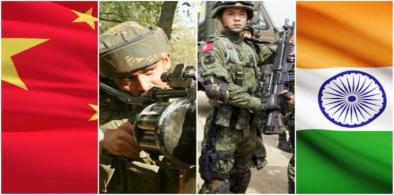
The 11th round of India-China military-level talks will take place on April 9 in which issues like friction at Gogra-Hot Springs, restoring the pre-April 2020 status quo ante, long-standing patrolling issues at Depsang Bulge due to friction in the area during the 2013 stand-off with the People’s Liberation Army (PLA) are likely to be discussed, a Hindustan Times report said referring sources
The Pakistani government is considering the possibility of granting a two-year visa extension to Chinese nationals working on the China-Pakistan Economic Corridor (CPEC) projects in the country, reported the Express Tribune
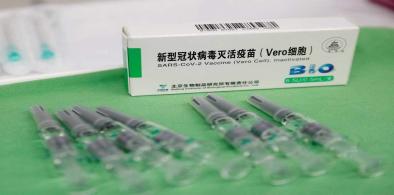
Opposition parties in Sri Lanka have questioned the manner in which the Sri Lankan government has approved the use of the Chinese vaccines in the island nation, reported Colombopage
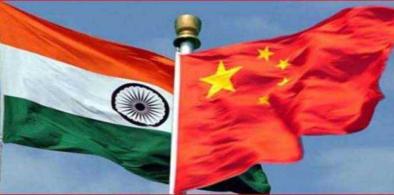
India called on China to withdraw troops from all friction points in eastern Ladakh along the Line of Actual Control (LAC) and asserted that the disengagement alone will ease tension in the border areas
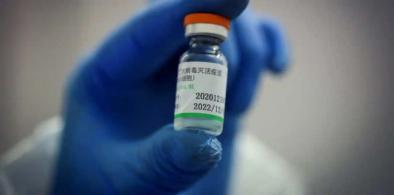
Sri Lanka is likely to get 600,000 doses of Sinopharm COVID-19 vaccines from China on 31 March, reported Daily Mirror
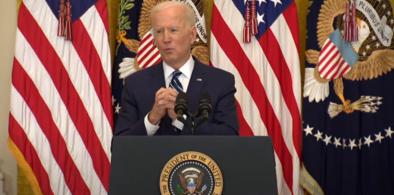
The Quad summit “got the Chinese attention” on their seriousness in holding Beijing accountable for its actions in the Indo-Pacific region, according to US President Joe Biden
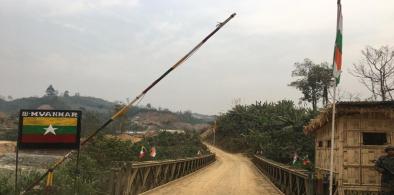
India has expedited work on its ambitious road infrastructure project -- Kaladan Multi-Modal Transit Transport Project -- that opens a gateway to Southeast Asian countries in an attempt to counter the growing influence of China in the region
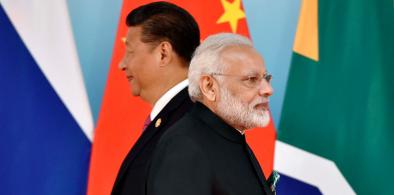
India's stance on China has to irreversibly change in the light of the recent developments, both bilateral and global
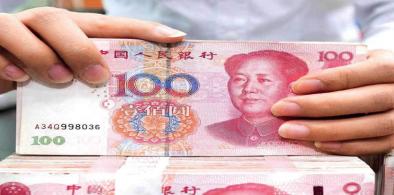
In what seems a temporary respite for Sri Lanka’s dwindling forex reserve, the Central Bank of Sri Lanka (CBSL) has signed a $1.5 billion currency swap agreement with China, reported Colombopage
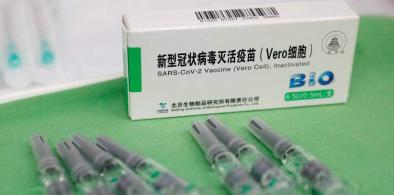
Authorities in Sri Lanka will administer the Chinese-made Sinopharm COVID-19 vaccines first to Chinese nationals living in the country
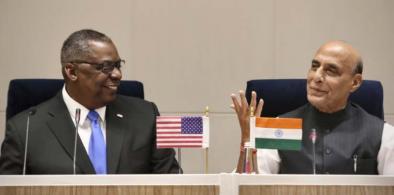
As part of expanding global security cooperation between the world's oldest and largest democracies, India will intensify military cooperation with the US Central Command in Florida and with the US Commands in the Indo-Pacific region and Africa
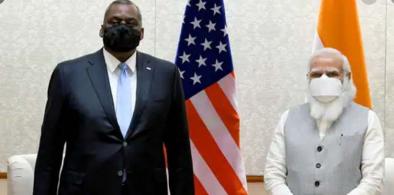
US Defence Secretary Lloyd Austin arrived here on Friday for discussions on cooperating to face “most pressing challenges” in the Indo-Pacific, an euphemism for China’a maritime muscle-flexing in the region
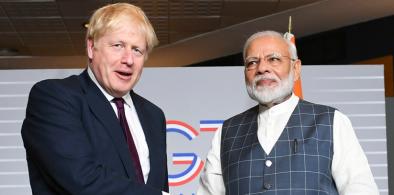
Calling the Indo-Pacific "increasingly the geopolitical centre of the world", United Kingdom Prime Minister Boris Johnson will visit India in April to ostensibly create a democratic counterweight to China