How quickly a country which was coasting along for a decade of strong, export led growth with improvements in poverty as well as human development indicators and social capital, can crumble.


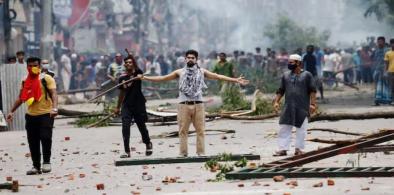
How quickly a country which was coasting along for a decade of strong, export led growth with improvements in poverty as well as human development indicators and social capital, can crumble.
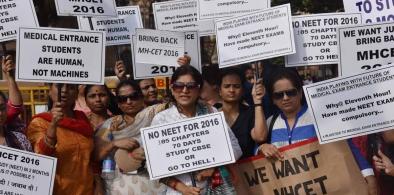
This also means unshackling the education sector, allowing greater freedom and autonomy to institutions of higher education in deciding curricula, courses, faculty hiring and salaries, student fees and programs. Otherwise, millions of our youth are wasting the prime years of their youth with a psychological burden, and grueling study with…
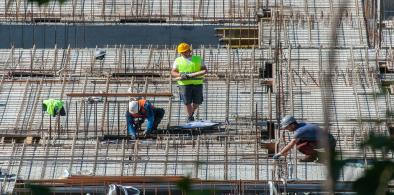
The internal migration of workers from the rest of the country to Kerala has created a mini remittance economy, as money flows from savings generated in Kerala to the home states like Odisha, Jharkhand, Assam and Bihar.

India’s inward remittances keep growing, having more than doubled since 2010, and showing a growth of over 6 per cent per year, ahead of GDP growth. By comparison, China’s inbound remittances have been falling. Pakistan and Bangladesh get about one-fourth of what India gets.
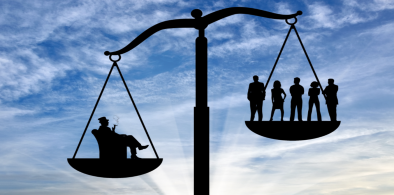
One of the Sustainable Development Goals of the United Nations calls for a reduction in inequality. On that count, India must exert more by making the income tax net wider and ensuring a lower indirect tax burden

The war clouds just keep getting thicker and darker. And the warmongers have so far outshouted those pleading for peace. The leaders have failed to bring any sanity, let alone ceasefire or peace talks. All this does not bode well for the Indian economy, which has already been struggling with the challenges of inflation, stagnant private…
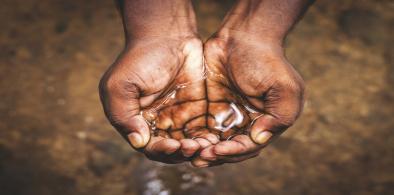
India has only 2 percent of the world’s freshwater supply but 17 percent of the world's population. The present predicament of people in Bengaluru, skipping work to stand in long queues for a bucket of water is a sobering reminder.
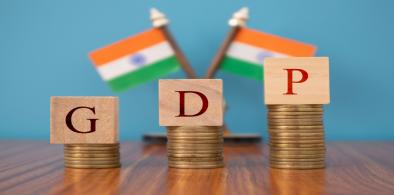
The overall contribution of agriculture to GDP growth this year will be below 1 percent as per the latest estimates. This is worrying for various reasons, most importantly for what it means for the livelihoods and incomes of rural families.
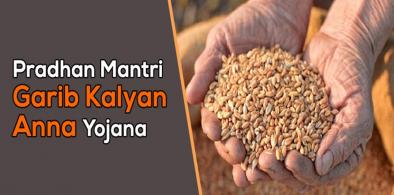
The Niti Aayog estimates using a multi-dimensional approach, that poverty has fallen below 15 percent. Why then are 58 percent of Indians getting free food? Or even if their food security needs have to be addressed, would this be better served by direct benefit transfers?
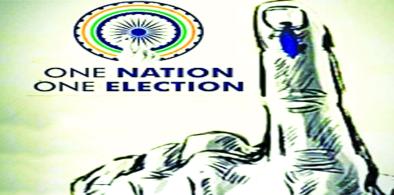
Not much has been done by lawmakers to reduce black money in elections. ONOE is not likely to make a dent to that effect, though that is its ostensible purpose.