I slept a lot, but I was doing that in any case before the lockdown. I read some but it is becoming increasingly difficult to focus for long with my failing eyesight


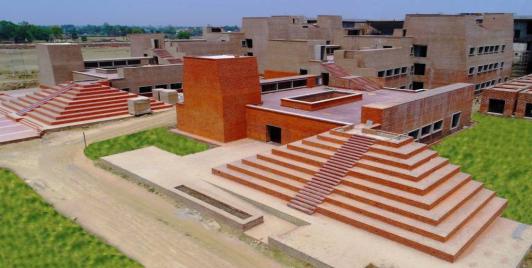
Nalanda serves as a counterweight to the historic monopoly of Western universities over social, political, and ecological theory. It invites Asian and African scholars to address regional dilemmas such as resource sovereignty, post-colonial statehood, and sustainable modernization using indigenous analytical categories.
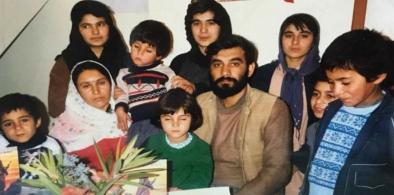
The daughters and granddaughters of these warlords, like those of several key Taliban commanders, live and study abroad. Sabori’s school in Archi is half-closed, owing to the ban on education for girls over 12 years of age. Several underground schools have sprung up where even some Taliban foot-soldiers send their daughters.
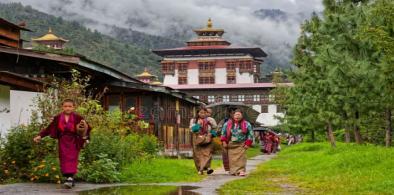
As democracies around the world confront public dissatisfaction, Bhutan reminds us that the health of a democracy cannot be measured only through the ballot box. It must also be evaluated through the well-being, dignity, security, and trust experienced by citizens.
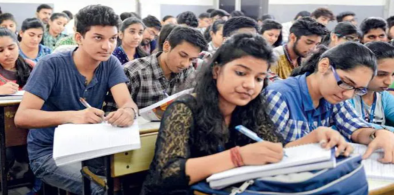
India's digital infrastructure can certainly deliver free coaching to millions. But an even greater achievement would be to build an education and employment system in which families no longer feel compelled to buy coaching in the first place. Making bottled water cheaper is useful. Making the water from taps trustworthy is the real solution.

I slept a lot, but I was doing that in any case before the lockdown. I read some but it is becoming increasingly difficult to focus for long with my failing eyesight
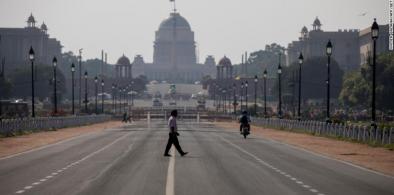
Prime Minister Narendra Modi declared lockdown all over India around 40 days back, which caught the countrymen by surprise and led to a feeling of uncertainty
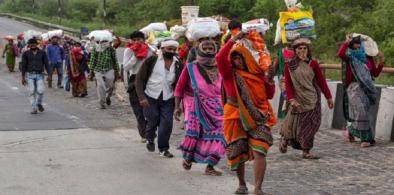
If I could swim the meadows and walk the rivers
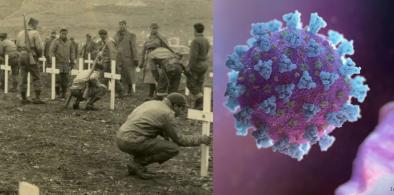
In living memory, the worst disaster and miseries took place during the World War II. A large number of manufacturing units, airports, and seaports were destroyed and buildings demolished. Japan suffered the worst when the atomic bomb was dropped on Hiroshima and Nagasaki, causing the death of millions of innocent people

There are indications/allegations that COVID-19 or coronavirus was accidentally released from a Wuhan lab

Pakistan’s health crisis could explode, gravely crippling the economy and national security, if the lockdown is lifted prematurely. The whole world is grappling with the lives vs. livelihoods debate
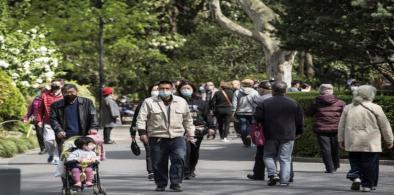
At a time when America’s role is tragically missing and as the world steps up its scrutiny of China, global leadership is suffering from a crisis. It is India that can step in to fill this void in leadership

As the world is under the grip of coronavirus, there appears to be a universal breach of social contract. World leaders in democracies, autocracies or monarchies have grossly failed to give birth to a clear roadmap to mitigate the despair and desolation amid the COVID-19 outbreak
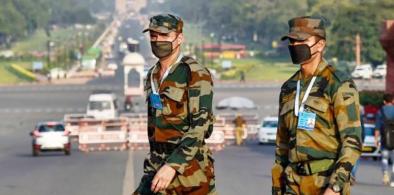
India’s Armed Forces and Defence Ministry production units continue their countrywide assistance in combating the effects of COVID-19, a dirty and deadly biological 'weapon', which allegedly emanated from a laboratory in Wuhan, China and spread infection worldwide, though there has been no authoritative corroboration of this so far
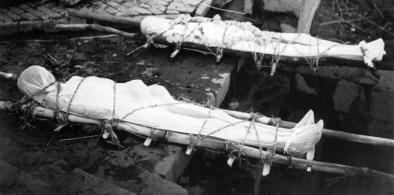
In India, during the 1918 influenza pandemic, a staggering 12 to 13 million people died, the vast majority between the months of September and December. According to an eyewitness, “There was none to remove the dead bodies and the jackals made a feast.”
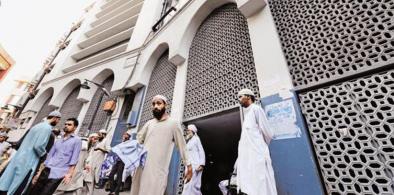
Arthur Koestler, a Hungarian British author, and journalist, once observed that “Man's deadliest weapon is language. He is susceptible to being hypnotized by slogans as he is to infectious diseases
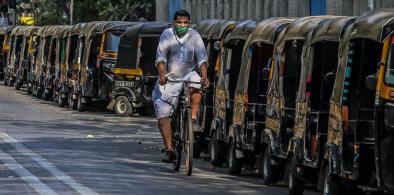
India’s coronavirus lockdown of 1.3 billion people is unprecedented in size and scope, particularly in a country where city streets are so thronged with life in all its guises

The frenzy that we see around
The trepidation and the terror,
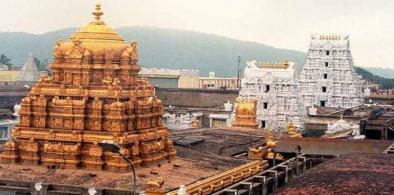
Extreme times call for extreme measures. India is reeling under a chronic economic crisis. If the Indian government takes these measures then it will go a long way in mitigating the economic fallout of the COVID-19
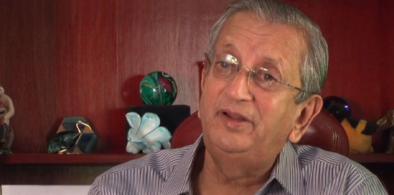
On 13 April 2020 Supreme Court advocate Ashok Desai, a legal luminary and former Attorney General of India, passed away in Mumbai. He was 77