Indo-Saudi economic ties have seen tremendous growth over time, writes Asif Rameez for South Asia Monitor


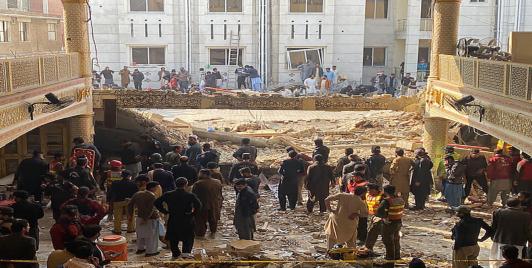
India must also recognise that Pakistan's internal security crisis has wider regional implications. Escalating Pakistan–Afghanistan tensions could create additional uncertainty along the western frontier, while attacks on Chinese projects could affect regional connectivity and investment.
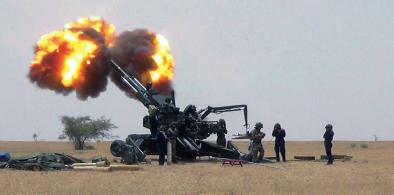
India has demonstrated that it can develop and manufacture modern artillery systems. What needs reassessment is how quickly we acquire, integrate and field them, and how effectively we ensure that new technologies communicate and operate together.
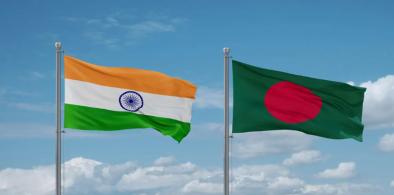
If India says the security of its Northeast, border management, trade and connectivity matter, Bangladesh can equally say that water sharing, deaths at the border, market access, energy security, river management and sovereign equality matter to it.
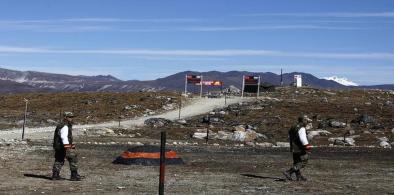
The Indian military views no disengagement in Arunachal Pradesh as part of a wider strategic recalibration, prompting India to match Chinese force rebalancing by shifting strike corps and resources equally across both northern and eastern fronts.
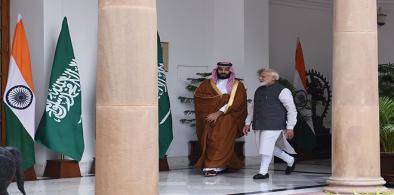
Indo-Saudi economic ties have seen tremendous growth over time, writes Asif Rameez for South Asia Monitor

India can offer to lend a helping hand in a new shared spirit of sporting togetherness that can bind South Asia, writes Sirshendu Panth for South Asia Monitor
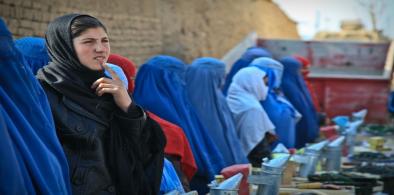
The forty years of protracted war has impacted Afghan society, especially women, in a way that has few parallels in human history, writes Shraddha Nand Bhatnagar for South Asia Monitor

Although the Indian government believes that FDI is coming into the country in record amounts, most of it is through mergers and acquisitions and not greenfield investments which entail building factories, writes N Chandra Mohan for South Asia Monitor
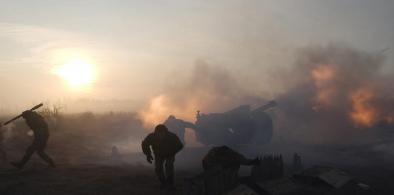
The US may continue to bomb the Taliban and keep asking them to reconcile but such a scenario is not going to unfold, especially when nothing has been done in 20 years to block the financial support and arms supplies to the Taliban, writes Lt Gen P. C. Katoch (retd) for South Asia Monitor

If sportswomen are treated equally and provided with equitable opportunities, women athletes from South Asia are bound to participate in greater numbers in top international events like the Olympics, writes Sarita Bartaula for South Asia Monitor
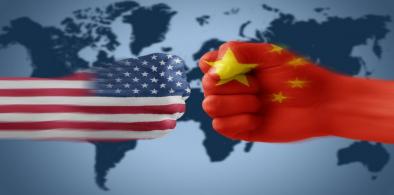
India ought to tread cautiously in aligning with the US as a counterweight to China, writes Mayank Mishra for South Asia Monitor

Warship building and design is an arduous undertaking and India now joins a select group of nations that have demonstrated proven capability to conceive, design, and build an aircraft carrier, writes C Uday Bhaskar for South Asia Monitor

One can be optimistic that Biden’s selection will lead to a debate on freedom of religion and more interfaith dialogues in South Asia and other parts of the world, writes Frank F. Islam for South Asia Monitor
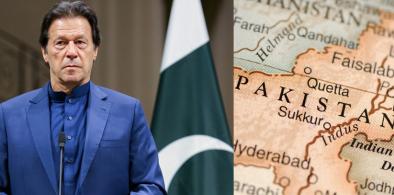
Instability in Afghanistan along with the discord with Pakistan does not augur well for South and Central Asian connectivity, writes Niranjan Marjani for South Asia Monitor
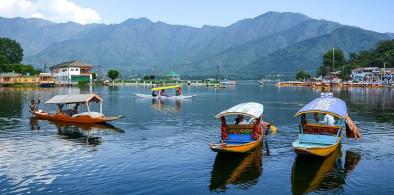
With the historic revocation, the Indian government has finally applied salve on the festering anger in Kashmir: anger born out of chronic underdevelopment and misgovernance, writes Suchismita Panda for South Asia Monitor
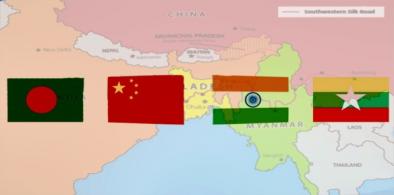
Cooperation among BCIM members is essential for the sustainable development of the Ganga-Brahmaputra-Meghna basin, writes Dipankar Dey for South Asia Monitor
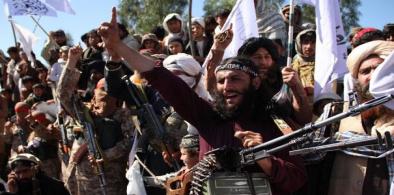
US Secretary of Defense General Lloyd James Austin has said that the Afghan forces must slow the Taliban’s momentum. The question is how, writes Lt Gen P. C. Katoch (retd) for South Asia Monitor

With the ever-growing presence of China in Southeast Asia, it would be injudicious to keep the economic and strategic prospects that West Bengal has to offer underutilized, and hostage to petty internal politics, writes Anondeeta Chakraborty for South Asia Monitor
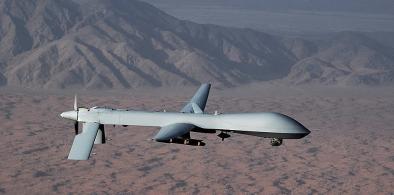
Not only was the use of a weaponized drone on the Jammu IAF base an act of war but a violation of the ceasefire agreement concluded by DGs, military operations, of India and Pakistan, effective from midnight, 24-25 February 2021, writes Col. Anil Bhat (Retd) for South Asia Monitor