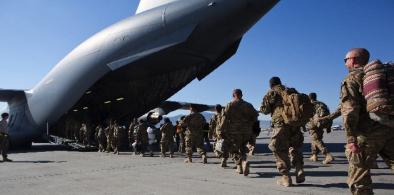
Representational Photo

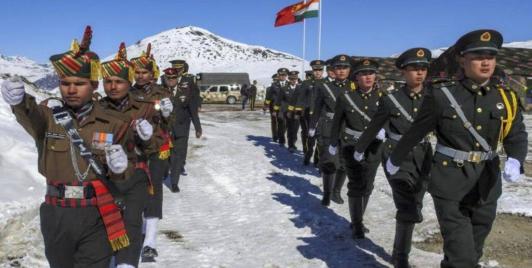
India-China Eight-Point Agreement: A Tactical Thaw, but Trust Remains Elusive

Hopes for Sino-Indian relations centre on a cautious diplomatic thaw, institutionalised border stability and renewed high-level engagement. Indian negotiators and defence planners are well aware that “trust must be verified”. While the activation of these eight points provides valuable channels to prevent an accidental kinetic clash on the ground, the real test of China’s sincerity will not be the joint statements signed in Beijing, but whether it ceases infrastructure build-ups and respects the historical patrolling rights of Indian troops along the LAC.

What's in a Name? Nomenclature Diplomacy Says Much About Changing Geopolitics

By removing the ‘Indo’ prefix from Indo-Pacific the US implicitly acknowledges that it no longer unilaterally defines the eastern strategic landscape. Regional organisations like BRICS continue to redefine the lexicon of ‘rules-based order’ to insulate themselves from western domination.

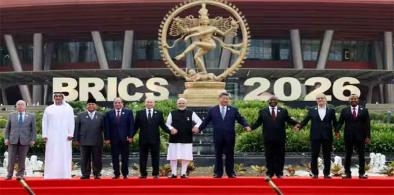
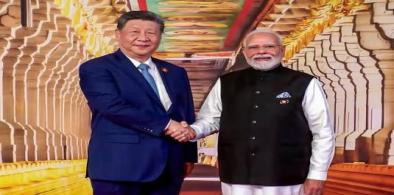
India-China Ties: Modi-Xi Meeting Signals Limited Thaw

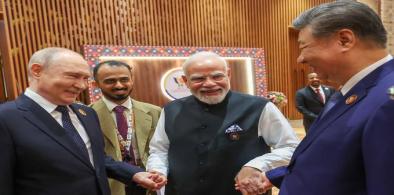
The bilateral discussion between Prime Minister Narendra Modi and Chinese President Xi Jinping on the sidelines of the 18th BRICS Summit indicates surge in mutual ties, particularly by way of trade. However, little can be expected by way of full settlement of the boundary dispute.

EU Fast-Tracks FTA with India as BRICS Summit Signals Shifting Geopolitical Dynamics

The timing of the EU announcement coincided with the BRICS+ Summit in New Delhi, creating speculation about whether the EU was seeking to reinforce its strategic engagement with India amid the growing influence of the BRICS grouping.

More on Geopolitics, Security and Strategic Affairs

When the Americans failed Afghanistan: Chronicle of the dramatic collapse of a nation

India, which found itself quite behind the curve like the US in gauging the rapidly changing political dynamics, first shut down its consulates and then its embassy just as the Afghan Republic collapsed on August 15, 2021. But once it realised it would be foolhardy to expect the revival of the Republic, it tacitly started mending fences with the Taliban, sending what it called a "technical team" to Kabul, resumed humanitarian aid, and discontinued diplomatic support to the embassy in New Delhi that was in the hands of representatives of the ousted Ghani government

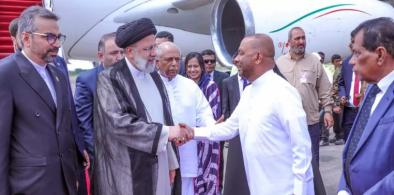
Iranian president’s Sri Lanka visit is a pointer to Tehran's Indian Ocean ambitions

Before visiting Sri Lanka, Raisi visited Pakistan as part of his South Asian tour, and it is a salient factor that both Pakistan and China are equally important to the BRI as the Chinese have invested millions of dollars in both countries.

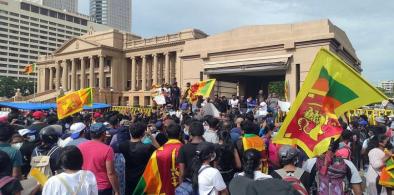
Sri Lanka's Aragalaya protests demonstrated nested sovereignty

This nerve centre of protests proved to be a fertile ground for new ideas and creative approaches to digital activism and served as a beacon of hope for many Sri Lankans seeking positive change. 

Developing a South Asian artistic consciousness and solidarity

The sense of being ‘South Asian’ has seeped into the consciousness of artists and designers trained in Lahore. They find common linkages long after they have left when they find themselves co-exhibiting in art fairs, galleries, and museums.

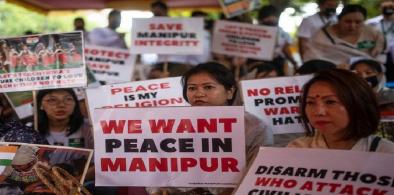
Manipur continues to smolder even after a year

Most importantly, does the rise, arming, and free hand given to Arambai Tenggol signal the arrival of private political armies in India?

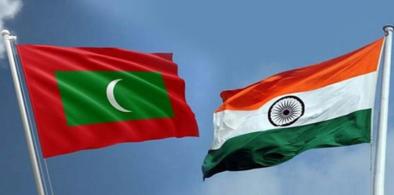
Bad news for India from the Maldives: India needs to get neighbourhood act together

As it stands today, Maldives is going to be drawn deeper into China’s strategic sphere. Chinese presence in Maldives is set to increase.

A New Year by any other name: Diversity marks South Asian cultural identity

Designating it as a ‘Hindu’ New Year appears to be part of an ongoing attempt to homogenise our diversity and multiple, multicultural identities. 

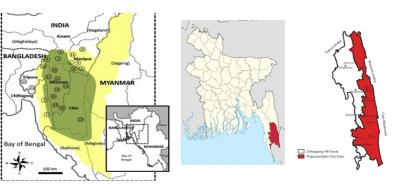
A security crisis looms in Bangladesh's Chittagong Hill Tracts: Need for coordinated regional action

It is critical to formulate a comprehensive strategy that involves both Bangladesh and India to counteract the potential threats posed by external actors in the CHT. This strategy should take into account the historical grievances and aspirations of the ethnic communities

The subcontinental dilemma: Should petty politics trump business pragmatism in South Asia?

After all, If India can do more than $100 billion worth of business with China, with which it is now involved in a far more complex border dispute and naval rivalry, then we can at least do business with our next-door neighbours and let consumers have a greater choice.

For a few dollars more: Sri Lankan fighters in the Russian-Ukrainian war are symptoms of a deeper crisis

A report submitted by the State Intelligence Service ( SIS) of Sri Lanka to the country’s defence secretary indicates there are hundreds of Sri Lankan nationals serving on both Russian and Ukrainian fronts.

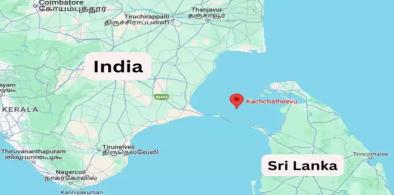
To Colombo, resurrecting Katchatheevu issue is like flogging a dead horse

India watchers in Sri Lanka are not unduly worried about Modi’s statement and External Affairs Minister Subramaniam Jaishankar’s comments. They point out that Modi did not say that his government will seek to retrieve Katchatheevu from Sri Lanka. 

Raking up Katchatheevu: India’s internal politics affect international relations

After the Indian protests over China’s research vessels in the Indian Ocean, Sri Lanka has indicated that Chinese vessels can dock at Sri Lankan ports for replenishment and repairs.

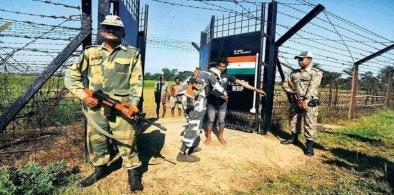
Reducing tensions along India-Bangladesh border: Role of local communities in promoting cross-border trust and welfare

Despite extraordinary diplomatic efforts and landmark agreements between the two countries, the ground reality along the border often reveals deep-seated animosities fueled by historical legacies, socio-economic disparities, and cross-border dynamics.

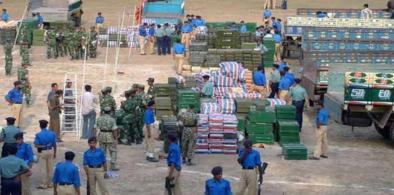
2004 Chittagong arms seizure: Then Bangladesh government severely compromised national and regional security

An analysis of Chetia's and Singh's interviews alongside the court's detailed judgement brings out several crucial points. Firstly, there was a concerted effort to transform Bangladesh into a sanctuary for ULFA and other rebel factions from India's northeast, facilitated by Pakistan's intelligence agency.

India leveraging geopolitical strengths to develop its own AI-powered defense systems

Strategic initiatives such as "AI in Defense," "Make in India," and "Buy IDDM" demonstrate India's commitment to nurturing indigenous AI solutions.