Why then is Modi sullying the glory of his third term by going to the polls with Arvind Kejriwal possibly barred from campaigning?


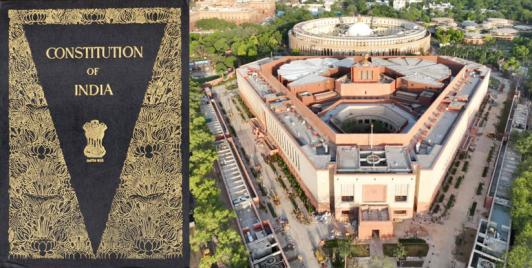
India’s constitutional design operates on the line of a fully functional parliamentary democracy anchored in constitutional supremacy rather than parliamentary sovereignty. In an era of evolving challenges, the supremacy of the Constitution continues to serve as the ultimate safeguard of Indian polity.
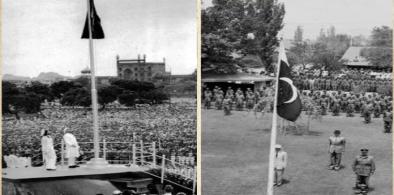
Eighty years after Partition, the overarching lesson of this comparative history of India and Pakistan is that national trajectories are not preordained by culture, talent, or geography. They are determined by the rules and values a state enshrines for itself in its formative years.
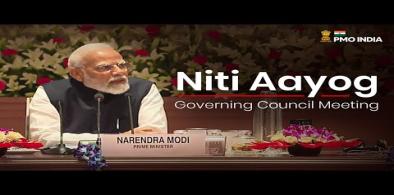
It is time the Indian district administration’s focus shifts to economic development and prosperity-building through strategic planning, resource mobilisation, and effective resource allocation; productivity enhancement, competitiveness, skill-building, employment generation and ensuring the security of life and property.
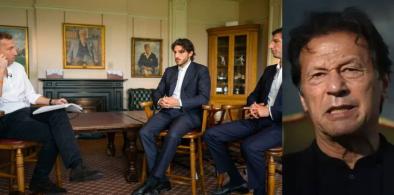
The man who once led Pakistan to its only World Cup triumph has now become the subject of an international cricketing appeal for humane treatment. The more the authorities try to keep his story behind prison walls, the more the cricketing world appears determined to take it beyond them.
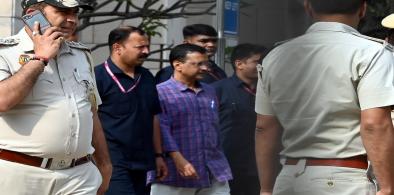
Why then is Modi sullying the glory of his third term by going to the polls with Arvind Kejriwal possibly barred from campaigning?
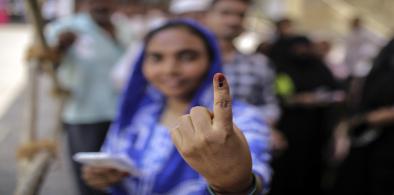
The national mood was well summed up by a cartoon that showed all others in the race locked up, with just the incumbent in the field, and then the question, half in jest: ‘Who is winning?’.
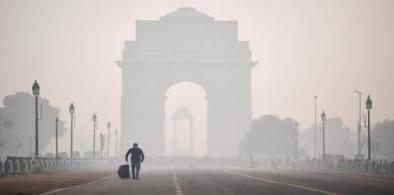
But how does one counter the Swiss-based air-quality monitoring group IQAir which reports that India was the third most polluted country in the world after Bangladesh and Pakistan in 2023 and Delhi was the “most polluted” capital in the world?
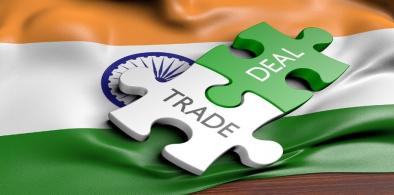
Essentially the world is looking for alternate supply chains which began with the onset of the COVID-19 pandemic and continues even today with growing trade tensions between the two camps.
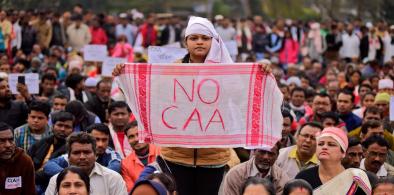
The largest persecuted groups in recent times have been Tamils (largely Hindus) in Sri Lanka and Rohingyas (largely Muslims) in Myanmar. Why have they been left out from the list of the ones who will be given shelter citizenship here in India under the CAA?
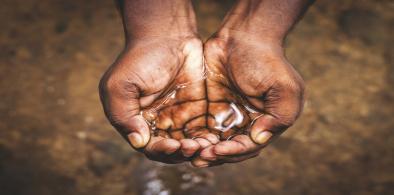
India has only 2 percent of the world’s freshwater supply but 17 percent of the world's population. The present predicament of people in Bengaluru, skipping work to stand in long queues for a bucket of water is a sobering reminder.
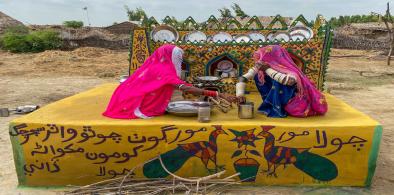
While Dalits in India face atrocity, abuse and exploitation, in Pakistan there is "discrimination and distancing in the social and economic domains," Khangarani said.
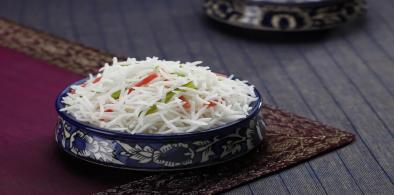
India’s basmati exports are significantly affected as over one-third of production is shipped to West Asia, Europe, North Africa and North America via the Red Sea.
India-US defence cooperation has made fair headway leading to INDUS-X which has initiated the information network and regulatory mechanisms to deepen defence technology collaboration that is poised to strengthen the bonds of US-India partnership, innovation and deterrence.
The Indian Science Congress has for the last many years been accepting papers that have no scientific basis and are based on mythology. Pained by this all prominent scientists came together and issued a statement calling upon the government to stop the undermining of scientific methods and thinking
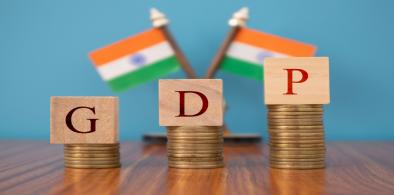
The overall contribution of agriculture to GDP growth this year will be below 1 percent as per the latest estimates. This is worrying for various reasons, most importantly for what it means for the livelihoods and incomes of rural families.
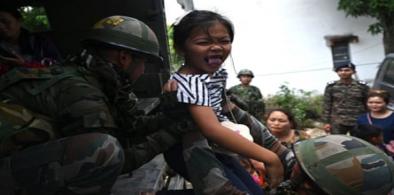
Manipur appears to be veering toward massive armed attacks against the tribals – both the Kuki-Zo and Naga, with the state administration remaining ambivalent. This is a dangerous development - civil war in a state bordering Myanmar which itself is experiencing rising violence.
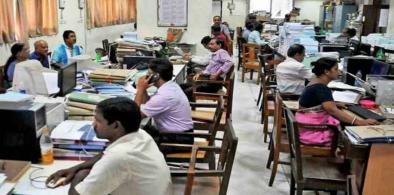
While the government employees belong to organized class, there are an estimated 300 million people in India who belong to the unorganized class living on daily wages or are self-employed without economic and social security.
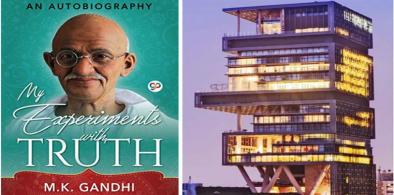
In a chapter titled “Choice before Capitalists”, Gandhi writes, “At present, there is no proportion between the wholly unnecessary pomp and extravagance of the moneyed class and the squalid surroundings and the grinding pauperism of the ryots in whose midst the former are living.”
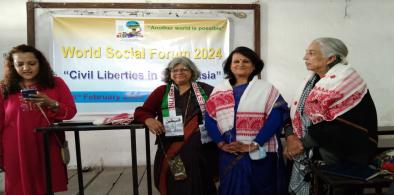
At present, there aren’t even any direct flights between Pakistan and Nepal, even as Kathmandu promotes itself as the meeting place of South Asia, noted journalist Kanak Mani Dixit.