China has said it was working closely with Sri Lankan authorities to encourage collaboration among biotech companies of the two countries to produce a covid vaccine in the island nation


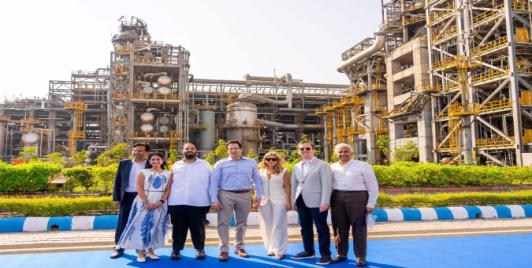
India may not match the United States or China in total refining capacity, but its sophisticated refining infrastructure, crude-processing flexibility, and export capability give it an important place in the global energy system.
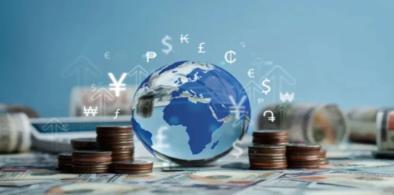
Remittances have become an unusually large source of external finance for South Asia. But a development model in which workers migrate because domestic employment is inadequate, and then send income home to support domestic consumption, cannot indefinitely substitute for creating productive employment at home.
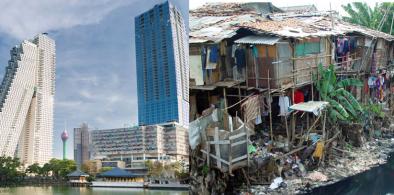
In 2025, Sri Lanka was ranked as the second most expensive housing market in the world based on rentals compared to average income. It is possible that market distortions caused by black economy and corruption have contributed to this.
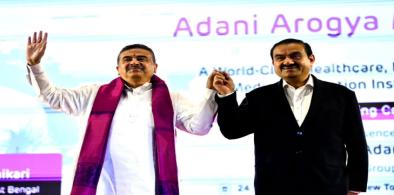
The larger opportunity before West Bengal is therefore not another round of infrastructure creation in isolation. It is the creation of an ecosystem in which infrastructure, private capital, local enterprise and skilled labour reinforce one another.
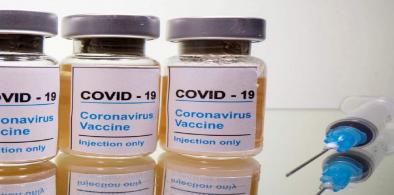
China has said it was working closely with Sri Lankan authorities to encourage collaboration among biotech companies of the two countries to produce a covid vaccine in the island nation
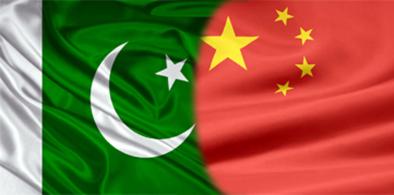
Expressing concern over Pakistan’s growing debt, China has shown reluctance to approve USD 6 billion loan for the Mainline-I (ML-I) railway track -- the single largest project under the China-Pakistan Economic Corridor -- according to the record of a meeting and senior Pakistani officials, Express Tribune reported
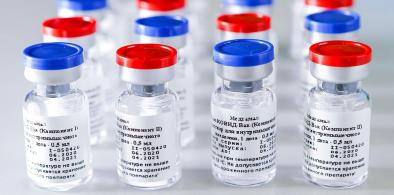
The first batch of a Chinese made Covid 19 vaccine being processed in Pakistan would be available for use by May end, a senior Minister said
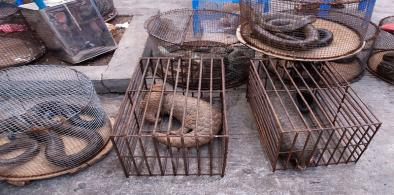
Pakistan's deep bond with China also costs its wildlife species
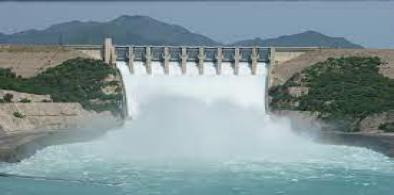
Authorities in Pakistan have awarded a hydropower extension project worth $354 million to a Chinese firm, reported Dawn
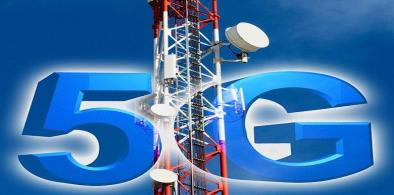
A top US lawmaker has welcomed India's decision to not allow Chinese telecom companies to conduct 5G trials in the nation, a move seen as a strong message sent to Beijing by New Delhi
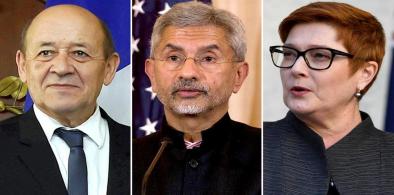
India’s External Affairs Minister S. Jaishankar, France’s Minister for Europe and Foreign Affairs Jean-Yves Le Drian, and Australia’s Minister for Foreign Affairs Marise Payne met in London for the first India-France-Australia Trilateral Ministerial Dialogue on 4 May on the sidelines of the G7 Foreign Ministers’ Meeting where they once again reiterated the commitment to advance shared values and working together to achieve a free, open, inclusive and rules-based Indo-Pacific
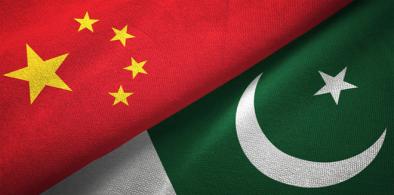
In a bid to preempt any possibility of raising power tariff, Pakistan will seek debt restructuring of USD 3 billion against the China-Pakistan Economic Corridor (CPEC) energy projects, a top official said
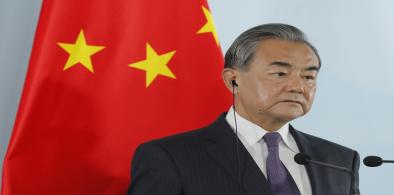
Wang Yi, the Chinese foreign minister, will visit Sri Lanka next month, Daily Mirror reported
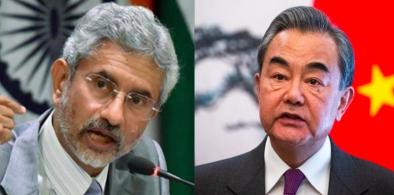
Indian External Affairs Minister S Jaishankar on Friday interacted with Chinese counterpart Wang Yi and discussed the importance of supply chains and air flights being kept open in the current scenario when India is witnessing massive rise in COVID-19 cases, officials said
Geopolitical analyst Fabien Baussart feels that China's military modernization is a threat to global security
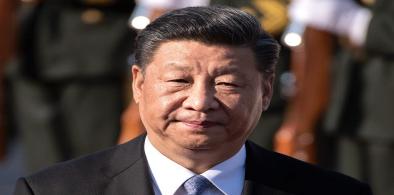
Chinese President Xi Jinping on Friday sent a message of condolences to Indian Prime Minister Narendra Modi over the COVID-19 pandemic in the country
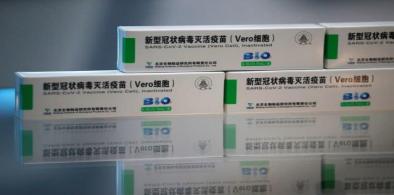
Bangladesh will ink a contract soon to import the coronavirus vaccine made by China’s Sinopharm, a senior minister said
Visiting Chinese Minister of Defence General Wei Fenghe held discussions on strengthening bilateral ties and tourism with Sri Lankan president Gotabaya Rajapaksa
China was keen to help Bangladesh in tackling the COVID-19 outbreak and would continue its strategic cooperation in the development of the South Asian nation’s armed forces, according to BSS