The Chinese government has provided medical aid to Nepal government on Sunday to combat the novel coronavirus


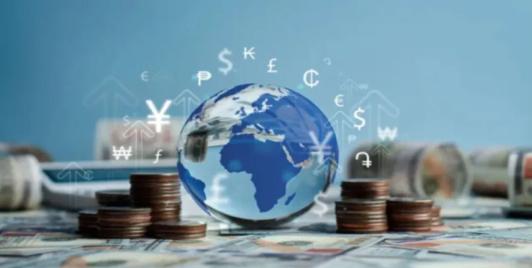
Remittances have become an unusually large source of external finance for South Asia. But a development model in which workers migrate because domestic employment is inadequate, and then send income home to support domestic consumption, cannot indefinitely substitute for creating productive employment at home.
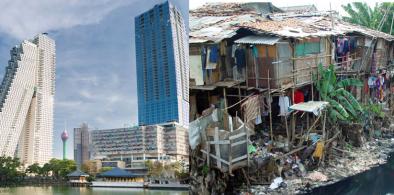
In 2025, Sri Lanka was ranked as the second most expensive housing market in the world based on rentals compared to average income. It is possible that market distortions caused by black economy and corruption have contributed to this.
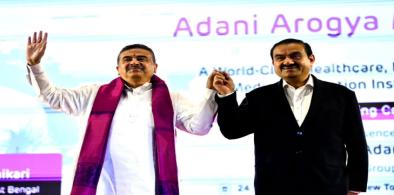
The larger opportunity before West Bengal is therefore not another round of infrastructure creation in isolation. It is the creation of an ecosystem in which infrastructure, private capital, local enterprise and skilled labour reinforce one another.
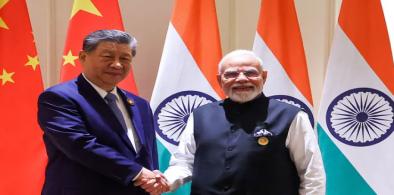
Why not begin by reopening serious discussions with Chinese conglomerate BYD about an Indian factory? BYD is now one of the world’s dominant EV manufacturers. Its Indian ambitions were caught in the post-Galwan investment freeze. Invite it back to the table—but on Indian terms
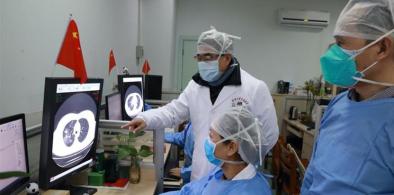
The Chinese government has provided medical aid to Nepal government on Sunday to combat the novel coronavirus
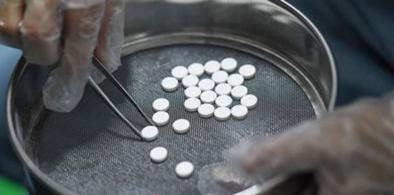
Nepal's Ministry of Foreign Affairs (MoFA) has said that necessary medicines required for the control of coronavirus infection will arrive in Nepal on Saturday
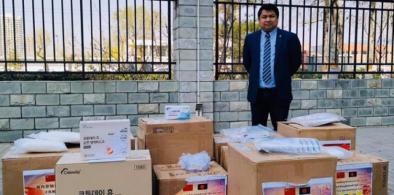
A Bangladeshi doctor in Fuwai Hospital--Dr Misbahul Ferdous--together with three organisations in China are sending PPEs to Bangladeshi doctors
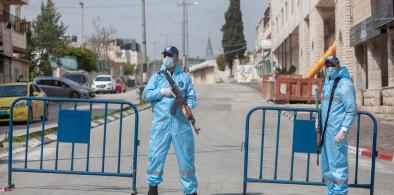
China has asked Pakistan to open the border between the two countries for one day on Friday so that medical supplies to combat the novel coronavirus could be transported, a media report said
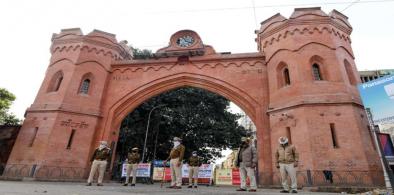
China has thanked India for its support in the fight against Covid-19 and offered to help contain the pandemic in the country
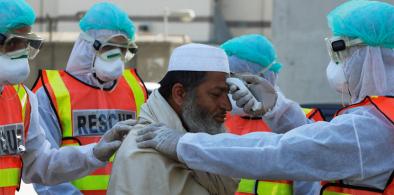
Pakistan Prime Minister Imran Khan on Wednesday said that homegrown cases of the novel coronavirus in Pakistan and not a single case was imported from China
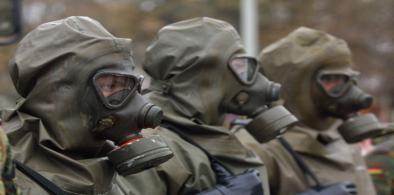
The notion that COVID-19 originated outside China has no scientific evidence to support Beijing’s theory, but the WHO, instead of nailing China for the global COVID-19 outbreak caused by its biowarfare experiment going horribly wrong is busy wagging its tail like an obedient puppy – merely calling it a pandemic because China is the second-largest donor to the WHO, writes Lt Gen P. C. Katoch (retd) for South Asia Monitor
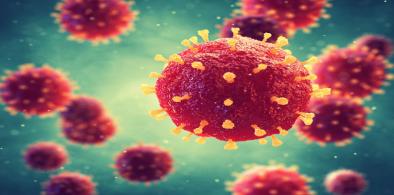
US President Donald Trump has been repeatedly accusing China of not informing the world adequately and in time about the seriousness of the Coronavirus outbreak in China, which has caught several countries unaware
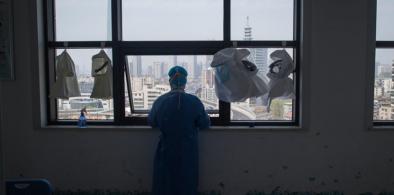
Wuhan, the Chinese city where the coronavirus pandemic originated last December, on Monday marked its fifth consecutive day of no new confirmed or suspected cases, a health official said
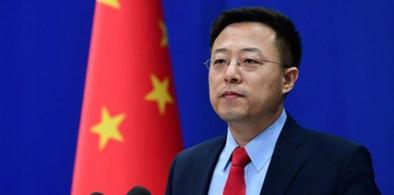
Amid a sharp surge in nationwide tally of COVID-19 patients, China has reassured Pakistan of full support in the fight against the coronavirus while praising the country’s top civil and military leaders for standing with the Chinese people in their hour of need
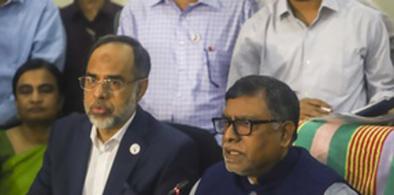
China had readied 10,000 kits and as many PPEs at the request of Bangladesh, Foreign Minister AK Abdul Momen said
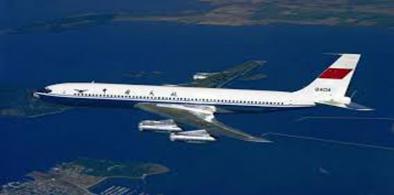
China has begun diverting Beijing-bound international flights amid an increase in imported coronavirus cases in the capital city
Pakistan Foreign Minister Shah Mehmood Qureshi has said that the country's bilateral trade with China will not stop amid the coronavirus pandemic
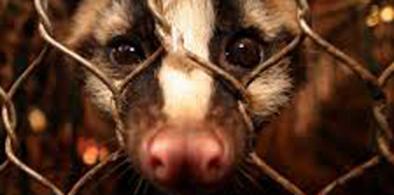
There will be few positives to take from coronavirus. But the global pandemic may yet prove to be an important moment in the attempts to address the illegal wildlife trade.
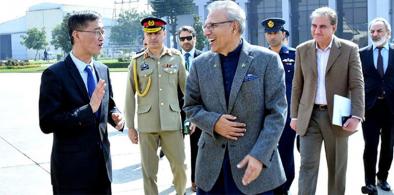
Pakistan President Arif Alvi and members of his delegation, who visited China earlier this week, have tested negative for COVID-19