In recent years, a central phenomenon that spurred the rise of terrorist groups has been the United States cultivating fundamentalist Islamist groups through the CIA in client states such as Pakistan.


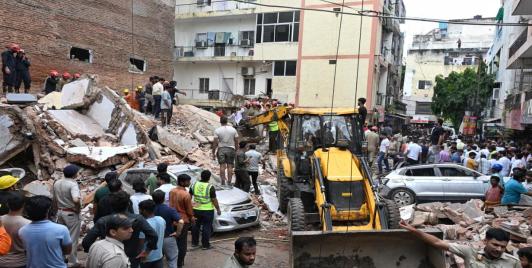
Aggressive migration of youth and workers to metro cities in search of better opportunities is common across the region. And so is the response deficit by local and central governments in providing them with basic, dignified lifestyles. The time has come for the elected representatives to think differently and narrow the gap between government schemes and results on the ground.

These achievements have positioned India as a digital governance exporter. Singapore, Nepal, Bhutan, France, Mauritius, Sri Lanka, and the United Arab Emirates have already established UPI connectivity, and more than 50 countries have expressed interest in replicating aspects of India Stack’s open digital infrastructure.
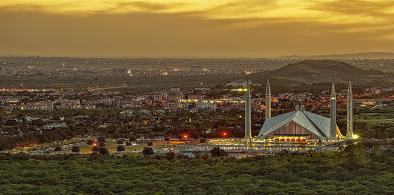
This raises the issue not whether Islamabad has surpassed its outmoded and fragmented administrative structure but whether governance would keep pace with its growth. Islamabad has to evolve from being administered as a capital city into being governed as a metropolis.

The inhabitants of Manipur have had long-standing experiences of living insecurely in their own homeland, even as migrants from the Northeast have encountered prejudice in metropolitan India....India has produced a paradox where communities that belong formally to India can also face exclusion from the social mainstream.
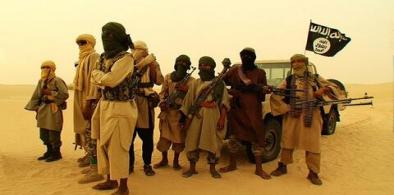
In recent years, a central phenomenon that spurred the rise of terrorist groups has been the United States cultivating fundamentalist Islamist groups through the CIA in client states such as Pakistan.
The Ministry of External Affairs (MEA) is working towards making the UDA framework an agenda for the multilateral forums in the IOR.
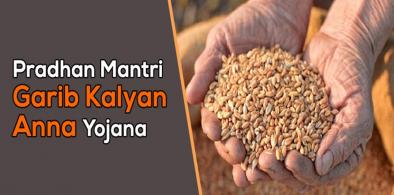
The Niti Aayog estimates using a multi-dimensional approach, that poverty has fallen below 15 percent. Why then are 58 percent of Indians getting free food? Or even if their food security needs have to be addressed, would this be better served by direct benefit transfers?
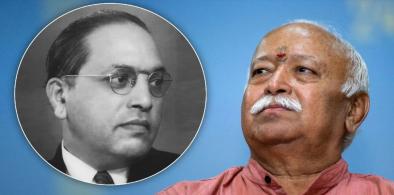
Ambedkar was for implementing the concept of fraternity; on the contrary, the politics of majoritarianism has spread hatred against minorities, leading to violence and polarization of society.
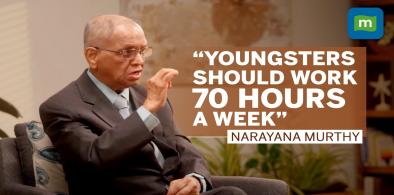
It may serve Infosys to have zombies but it can never serve the nation to valorise this as the route to a national revival. Many in India suffer low wages, zero benefits and long work hours. Murthy’s remarks will be used to legitimise these malpractices.

Sri Lanka has always been a very important and strategically critical Indian Ocean neighbour and removing the bottlenecks in their relationships has been a top priority for New Delhi.

Justifiably, India and Sri Lanka are unhappy that the Canadian government is giving the freedom to operate to separatist movements in Canada and is keeping its eyes and ears closed to the violent objectives of the separatists.
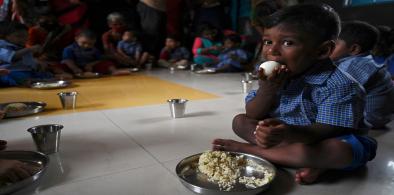
The report notes that India has the highest child-wasting rate in the world, at 18.7 per cent, reflecting acute undernutrition. It places India way below a neighbour like Bangladesh, which has a score of 19, a rank of 81 and is categorised on the GHI Severity of Hunger Scale as “moderate” – a class jump over the Indian numbers.

The verdict certainly is an impediment to the quest for self-respect, individuality and self-esteem of its citizens.India could have set an example with positive affirmation of this right as only Nepal and Taiwan have recognized same-sex unions in Asia.
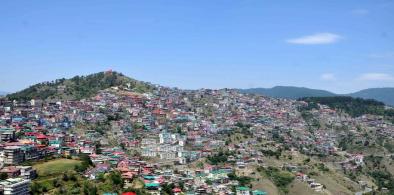
Townships in our hilly regions are mushrooming in a grossly unplanned and unscientific manner, generating excessive pressure on the rock surface, which can manifest in catastrophes.

Pakistan’s CWC Act 2000, Pakistan Bio Safety Rules 2005 and Pakistan Export Control Act 2004 are the evidence of Pakistan's sincerity to the implementation of CWC and BWC. Because of the dedicated efforts of science and policy leaders in Pakistan, the country is on the road to becoming a regional role model in ensuring biosafety and capacity for biosecurity.
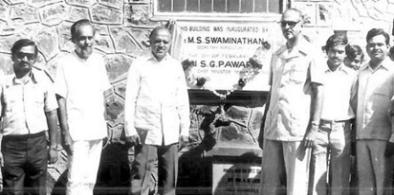
One of the most important things that MSS did was to get recognition for agriculture and agricultural scientists. He streamlined the recruitment process, got them government awards, and raised their status in the eyes of the government and the general public. This helped improve the morale of agricultural scientists.
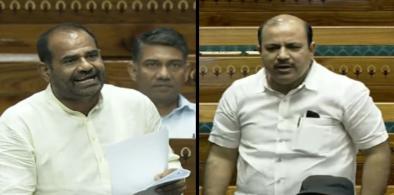
At the root of this fall is the belief among the BJP that assertion means aggression; that hitting out is the best form of defence; that violence is in our grain and must be met with double the violence; that the 'other' must be put down; that the grammar of leadership is masculine in form, shape and action.
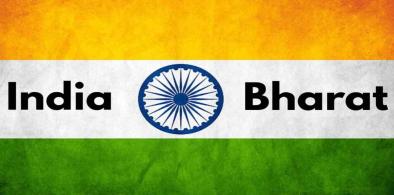
The use of the word India is not a colonial legacy in any way; the word was there much before the British East India Company came here for trade and plunder. This word also was used by anti-colonial movements. This is how the country was known in the world.

Canada gives a lot of importance to freedom of speech and action and some extremist elements see this freedom as license to orchestrate separatist movements in other countries from Canadian soil. This situation has caused serious problems for other countries like Sri Lanka and India.