“The growing capabilities of terrorist and other non-State groups to access delivery systems like missiles and unmanned/uncrewed aerial systems [drones] have compounded the risks of terrorism using WMDs”, the Indian representative said.


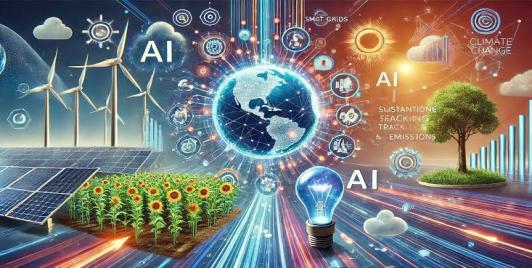
South Asia’s climate risks are shared across countries. Rivers such as the Ganga, Brahmaputra and Indus do not respect national boundaries, and torrential rains in one country can lead to floods in another. Satellite data, flood forecasts and flood warnings could, therefore, be shared to enhance disaster preparedness across the region.
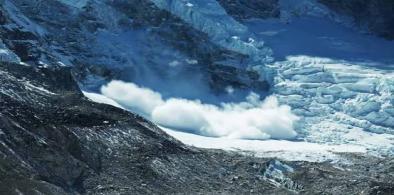
The disasters at Kedarnath and Nepal should therefore be read not simply as tragedies of the past or isolated episodes of extreme weather. They are warnings from a changing mountain system. The question before South Asia is whether we will continue to respond to each disaster after it occurs, or whether we will listen to what the mountains are telling us beforehand.
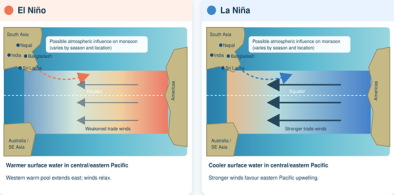
AI may genuinely extend the horizon over which seasonal climate risk can be estimated. For communities across South Asia living under the influence of the monsoon, a longer view could mean the difference between a farmer adjusting her planting in time and a family receiving a flood warning too late to act.
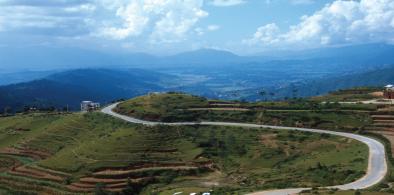
The broader lesson for South Asia is equally important. Hilly regions cannot be developed simply by transferring lowland infrastructure models into mountainous terrain. Investment has to respond to local economic systems, geography and environmental risks.
“The growing capabilities of terrorist and other non-State groups to access delivery systems like missiles and unmanned/uncrewed aerial systems [drones] have compounded the risks of terrorism using WMDs”, the Indian representative said.
The report comes amid ongoing peace talks between the TTP and the Pakistan government as the violence has increased since August last year. Earlier attempts of peace talks, mediated by the Afghan Taliban, had failed to produce any significant result. This year alone, the TTP carried out 46 attacks, mostly targeting security forces, and killed 79 people, according to the Pakistan Institute of Peace Studies data.

Without naming the two countries, India’s Permanent Representative T. S. Tirumurti told the Council on March 25, “India also believes that there is a pressing need to address the proliferation of nuclear and missile technologies related to DPRK (North Korea) in our region. These linkages have an adverse impact on peace and security in the region, including on India”.
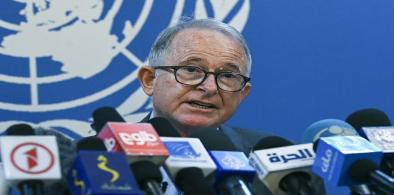
At a press conference in Kabul on Thursday, the UN envoy said that the advancing erasure of women from public life was especially concerning and urged the authorities to immediately reverse policies and directives that negatively impact women and girls.
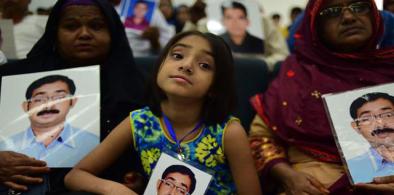
Bangladesh’s move to respond to the UN group’s queries came almost two months after the US State Department sanctioned seven top serving and retired RAB officials in December last year, citing human rights violations and other abuses by it, a move that was viewed very disapprovingly by Dhaka as an unfriendly act.
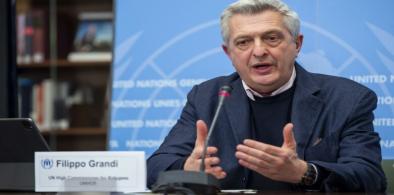
For Bangladesh, the challenges of hosting the Rohingyas are only growing amid the resource crunch, a growing rate of crimes, and drug smuggling in the refugee camps.
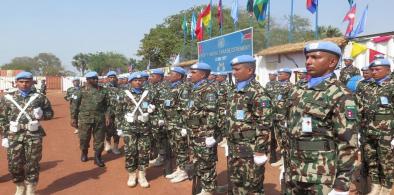
Nepal is the second largest contributor of uniformed officers to UN Peacekeeping, as over 5,700 of its military and police personnel are deployed to the UN operations in different conflict zones, according to the United Nations.
Recent reports showed how inspectors from the Taliban’s moral policing ministry had now intensified patrolling around public spaces like malls, bazaars, and other places, enforcing their socially conservative codes.
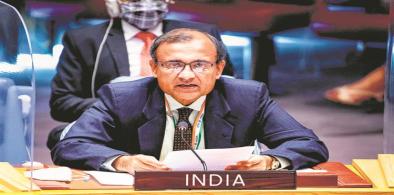
Tirumurti spoke of the dangers from terrorist exploitation of the new financial technologies like virtual currencies, non-fungible tokens (NFTs) that create monetary value out of non-physical entities, crowd-funding platforms and new payment methods like prepaid phone cards, mobile payments and online payment systems
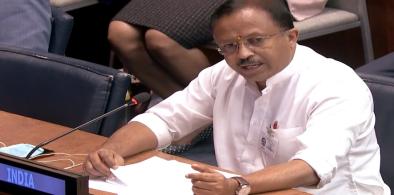
India “has never been found wanting” when it came to helping countries in distress, whether it was the Covid pandemic or conflicts. “We have provided food aid in the form of thousands of metric tonnes of wheat, rice, pulses, and lentils to several countries, including our neighbourhood and Africa, to strengthen their food security”, he said
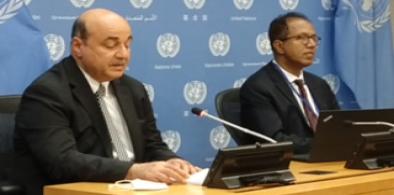
South Asian countries faced risks from higher prices and shortages of farming inputs including fertilisers, it said. “This will probably result in weaker harvests and exert further upward pressures on food prices in the near term”, according to the WESP
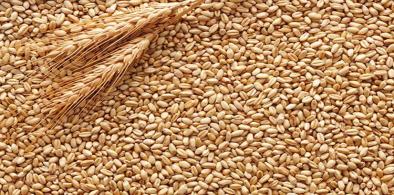
India, which is the world’s second-largest wheat grower and has a big stockpile, ordered an end to most purely commercial wheat transactions, while leaving room for some exports to neighbouring countries and governments of countries in need
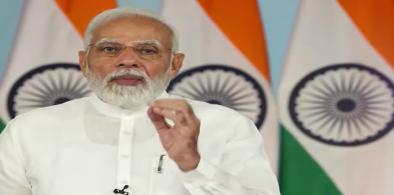
Giving a progress report on vaccinations, Modi said that India’s programme is the largest in the world hving fully vaccinated almost 90 per cent of the adult population, and more than 50 million children
While Hindi is yet to be one of UN’s official languages, Prime Minister Narendra Modi has made sure he uses the medium to promote the language on international platforms, including the UN
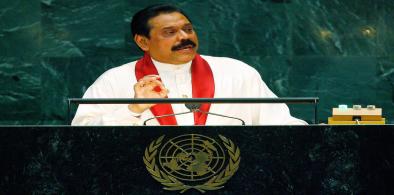
“We've also been concerned about the recent violence against peaceful protesters, and we urge calm and restraint, as well as respect for democratic rights, including the right... the freedom of expression and the right to peaceful assembly”, the spokesman said