The World Health Organization Wednesdasy said filling critical gaps in essential medical supplies and hospital capacities should be top priority as India battles surge in COVID-19 cases


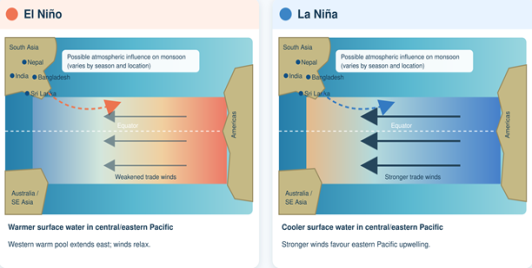
AI may genuinely extend the horizon over which seasonal climate risk can be estimated. For communities across South Asia living under the influence of the monsoon, a longer view could mean the difference between a farmer adjusting her planting in time and a family receiving a flood warning too late to act.
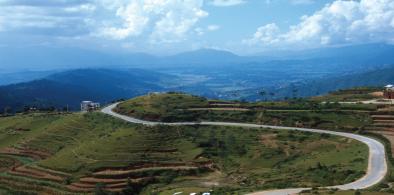
The broader lesson for South Asia is equally important. Hilly regions cannot be developed simply by transferring lowland infrastructure models into mountainous terrain. Investment has to respond to local economic systems, geography and environmental risks.

The UN's 2026 report warns that “long-term water use has exceeded renewable inflows and safe depletion limits,” leaving some water supplies beyond recovery. As the world’s largest groundwater extractor, India sits at the centre of this reckoning

The larger economic choice for South Asia is therefore broader than whether to participate in carbon trading. The region can remain primarily a supplier of relatively inexpensive mitigation outcomes, or it can also develop the technology, professional capacity, financial products and verification systems that determine what those outcomes are worth.

The World Health Organization Wednesdasy said filling critical gaps in essential medical supplies and hospital capacities should be top priority as India battles surge in COVID-19 cases

India has turned down the UN's offer of assistance from its integrated supply chain saying that it has its own "robust" system to manage the logistics of getting material for the dealing with the COVID-19 surge, according to a UN spokesperson

A UN-led global immunization strategy was unveiled on Monday to reach more than 50 million children who have missed lifesaving jabs against diseases such as measles, yellow fever and diptheria, in large part because of COVID-19 disruption

In his message for Chernobyl International Remembrance Day on Monday, the UN chief reminded that “disasters know no borders”

UN Secretary-General Antonion Guterres on Monday called on Asian and Pacific countries not to base their pandemic recovery strategies on “outdated and unsustainable economic models”, and to ensure that the world’s most populous region protects its environment and provides opportunities for all

UN Secretary-General António Guterres has called for a commitment to restoring the planet, and to making peace with nature, in his message to mark International Mother Earth Day, celebrated annually on 22 April
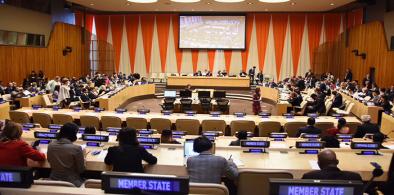
Pakisan has secured membership in three key United Nations (UN) bodies in the recent elections conducted by a 54 member principal organ of the organisation
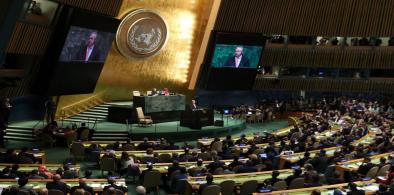
Bangladesh has won an election for the membership of a key drug body of the United Nations. The country’s three-year term for the Commission on Narcotics Drugs (CND) will begin in January next year

UN Secretary-General António Guterres called on Monday for leaders in Asia to bolster efforts towards finding a peaceful solution to the bloody crisis in Myanmar, sparked by the military coup in February

The Earth’s temperature continues to rise unabated, with 2020 being one of the three warmest years on record, as extreme weather events combine with the COVID-19 pandemic, impacting millions

Underlining that the world order built after the Second World War was under ‘serious stress’, India on Monday called for coordinated and concerted action across borders to tackle diverse challenges like terrorism, radicalisation, drug trafficking and organised crime
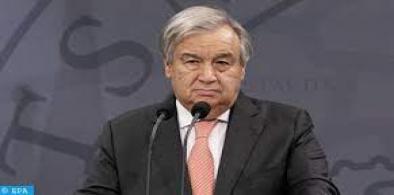
United Nations Secretary-General Antonio Guterres called for a “revolution” in urban planning and urban transport to beat back the impacts of climate change and build a green and sustainable future for all

The COVID-19 pandemic is leading to “an even more unequal world”, the Deputy UN chief said on Thursday, speaking at the closing session of the Financing for Development (FfD) Forum, with many lower-income countries now seeing development gains reversed

The team of the United Nations who had visited Bhasan Char island - the new site for the relocation of 100,000 Rohingya refugees - has expressed its satisfaction with the facilities developed by the Bangladesh government

“Prevention is the best and only cure” to stem the multiple, devastating and enduring consequences faced by survivors of sexual violence in conflict, especially as a brutal tactic of war, a senior UN official told the Security Council on Wednesday