Authorities in Pakistan have awarded a hydropower extension project worth $354 million to a Chinese firm, reported Dawn


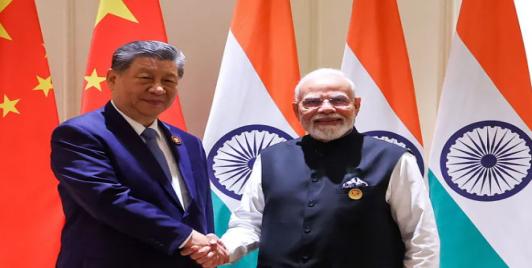
Why not begin by reopening serious discussions with Chinese conglomerate BYD about an Indian factory? BYD is now one of the world’s dominant EV manufacturers. Its Indian ambitions were caught in the post-Galwan investment freeze. Invite it back to the table—but on Indian terms
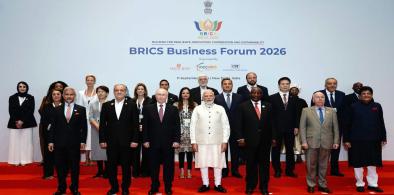
But the choice test applies to India as much as to the countries it hopes will follow its lead. If BRICS genuinely widens India's menu of markets, technology partners and financing sources without deepening its dependence on any one of them, it becomes a credible model for the rest of the Global South.
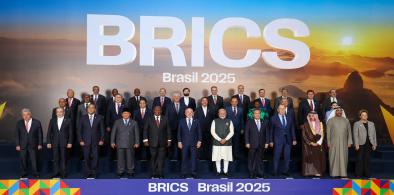
India’s stand for a dollar-based system is not a rejection of BRICS alignment or unity, but it is a determined choice to act in favour of self-interest like any other founding member. The key difference is India’s position has been the most transparent of all founding members rather than standing behind the collective rhetoric.
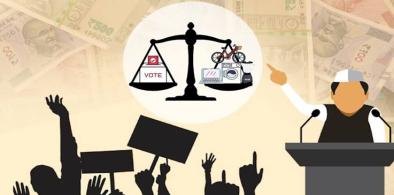
The evidence indicates that the increase in state borrowing over the past decade is best understood as the outcome of a changing fiscal federal system rather than simply an expansion of welfare politics.
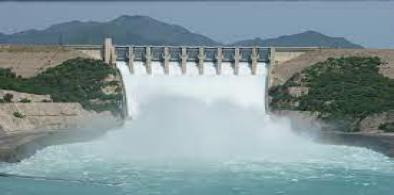
Authorities in Pakistan have awarded a hydropower extension project worth $354 million to a Chinese firm, reported Dawn

A top US lawmaker has welcomed India's decision to not allow Chinese telecom companies to conduct 5G trials in the nation, a move seen as a strong message sent to Beijing by New Delhi
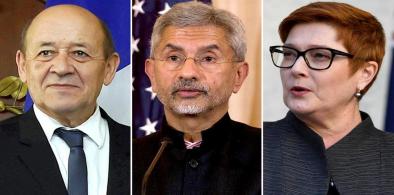
India’s External Affairs Minister S. Jaishankar, France’s Minister for Europe and Foreign Affairs Jean-Yves Le Drian, and Australia’s Minister for Foreign Affairs Marise Payne met in London for the first India-France-Australia Trilateral Ministerial Dialogue on 4 May on the sidelines of the G7 Foreign Ministers’ Meeting where they once again reiterated the commitment to advance shared values and working together to achieve a free, open, inclusive and rules-based Indo-Pacific
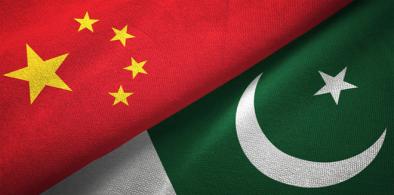
In a bid to preempt any possibility of raising power tariff, Pakistan will seek debt restructuring of USD 3 billion against the China-Pakistan Economic Corridor (CPEC) energy projects, a top official said
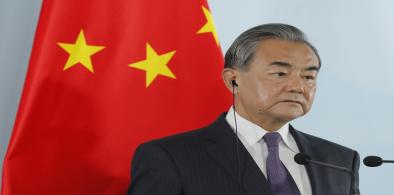
Wang Yi, the Chinese foreign minister, will visit Sri Lanka next month, Daily Mirror reported
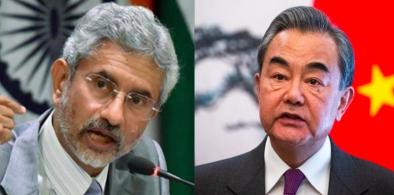
Indian External Affairs Minister S Jaishankar on Friday interacted with Chinese counterpart Wang Yi and discussed the importance of supply chains and air flights being kept open in the current scenario when India is witnessing massive rise in COVID-19 cases, officials said
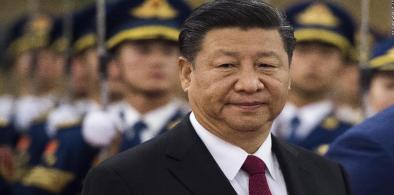
Geopolitical analyst Fabien Baussart feels that China's military modernization is a threat to global security
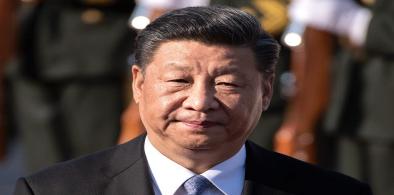
Chinese President Xi Jinping on Friday sent a message of condolences to Indian Prime Minister Narendra Modi over the COVID-19 pandemic in the country
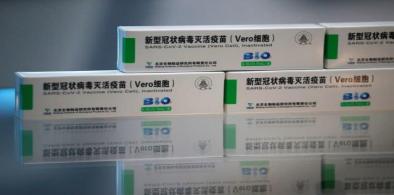
Bangladesh will ink a contract soon to import the coronavirus vaccine made by China’s Sinopharm, a senior minister said
Visiting Chinese Minister of Defence General Wei Fenghe held discussions on strengthening bilateral ties and tourism with Sri Lankan president Gotabaya Rajapaksa
China was keen to help Bangladesh in tackling the COVID-19 outbreak and would continue its strategic cooperation in the development of the South Asian nation’s armed forces, according to BSS
With a crisis-gripped India failing to provide its committed vaccines to neighbors in South Asia, the region seems to be turning towards China for broader pandemic response support
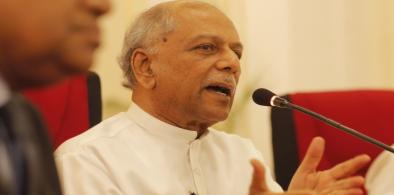
The region needs active cooperation to effectively respond to the challenges posed by the COVID-19 pandemic like economic recovery and uplifting rural livelihood, said Sri Lankan Foreign Minister Dinesh Gunawardena at a meeting on the COVID-19 response, a regional initiative taken by China
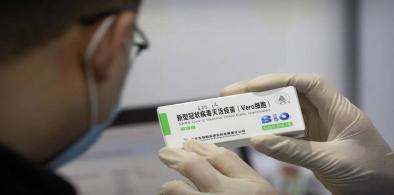
With India halting export of Oxford-AstraZaneca vaccine following a massive spike in Covid 19 infection, Bangladesh has now turned to China for the jab, The Daily Star reported
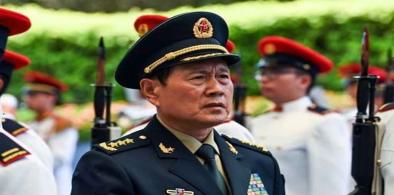
Chinese State Councilor and Defence Minister Wei Fenghe, now on a visit to Bangladesh at a time the two nations are in discussion over COVID-19 vaccine cooperation, paid tributes to the nation’s founder and its first president Bangabandhu Sheikh Mujibur Rahman in Dhaka on Tuesday