The recruitment of Nepali Gorkhas into the Indian Army being stopped after 77 years post-Independence is not only going to be a major loss to the Indian Army but also a serious and avoidable blow to cordial India-Nepal relations.


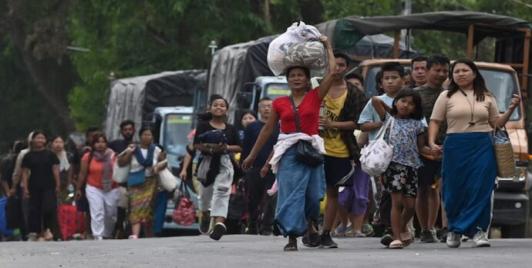
Manipur therefore needs to move beyond the language of relief and towards the language of restoration. The ultimate measure of recovery will not be how many camps have closed. It will be how many families can safely return, rebuild their livelihoods, educate their children, access justice and live without fear.
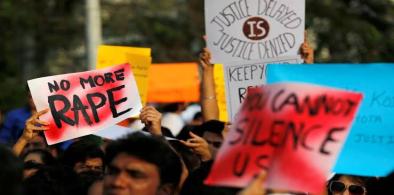
The Chopra siblings' murder in 1978, the Nirbhaya case of 2012, R.G. Kar Kolkata in 2024 and Kalkaji in 2026 belong to different historical contexts. Yet they reveal a recurring difficulty in Indian governance: we are capable of extraordinary mobilisation after extraordinary violence, yet less consistent at converting that mobilisation into permanent institutional practice.
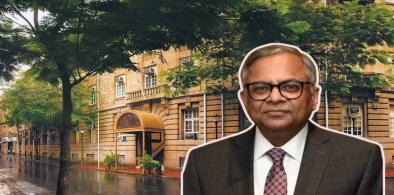
The Tata group is a national icon, a picture of enterprise, growth and service packed in a business model that many Indians cherish and hold as an exemplar. That model, in which the bulk of a great enterprise’s profits flows to charitable trusts for the public good, is rare anywhere in the world.
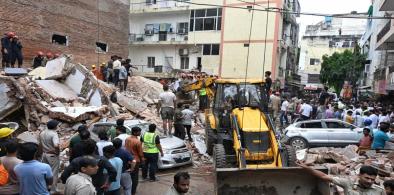
Aggressive migration of youth and workers to metro cities in search of better opportunities is common across the region. And so is the response deficit by local and central governments in providing them with basic, dignified lifestyles. The time has come for the elected representatives to think differently and narrow the gap between government schemes and results on the ground.
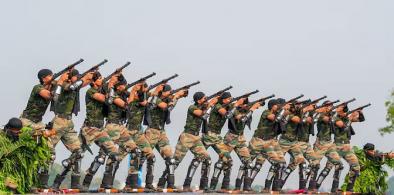
The recruitment of Nepali Gorkhas into the Indian Army being stopped after 77 years post-Independence is not only going to be a major loss to the Indian Army but also a serious and avoidable blow to cordial India-Nepal relations.

While there are uncertainties with regard to the possibilities and prospects of generating green hydrogen in a cost-effective manner it is surprising that green hydrogen is being hailed as the ultimate solution to overcome the emission issue and prevent climate disaster.

Many of us spend hours on social media doom scrolling, which then ceases to be just a source of recreation; it becomes an alternative world where algorithms and trends decode and shape individuals.
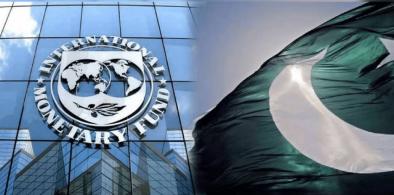
Peace and progress go hand in hand. To stabilize the economy, Pakistan needs a conducive political environment to focus on investment, education and health care. Whatever the economic challenges, the solutions would have to come from within. External funds, loans, debts are only temporary solutions
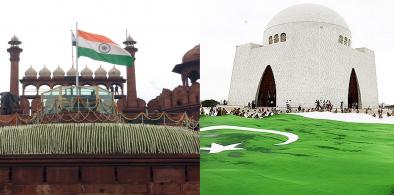
The very idea of Pakistan was based on the Two-Nation Theory which emphasized Muslims’ different way of life from that of the Hindus in the subcontinent. However, the mere religious identity of a nation without reconciling Pakistan’s diverse ethnic, linguistic, and cultural groups was not enough to hold it together.
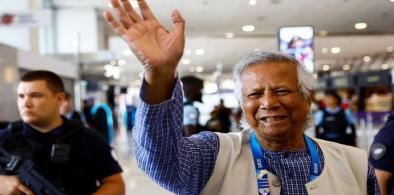
Bangladesh is home to people of different religions and cultures, both in the hills and plains. The extreme polarization of thought and ideology between opposing ideological groups is impacting Bangladesh's social fabric.

The BJP is not really taking on the immense political challenge of explaining and then persuading the people to go with the right-wing turns in policies it seeks to implement; it is sneaking it in, and in that it is being met with defeat after defeat.
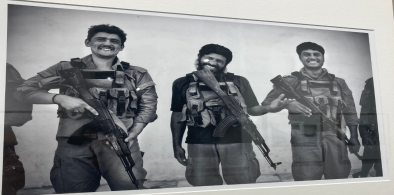
When the world descended on Afghanistan in 2001, Afghans believed it was about them, about a better life for them. It never was. It never is, writes senior reporter Kathy Gannon, who has covered Afghanistan since the 1980s. Looking back at the second Taliban takeover in 2021 she looks at why the ironically named ‘Operation Enduring Freedom’ of 2001 failed and how the aspirations of Afghans have been ignored.
Sri Lanka’s current HDI score stands at 0.78 and is the highest in South Asia.
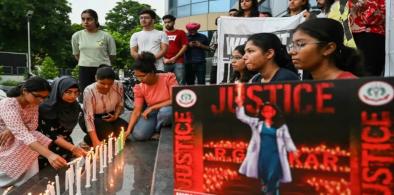
A message from the Kolkata case is to rebuild our healthcare workplaces with the intent of making them safe and gender inclusive.
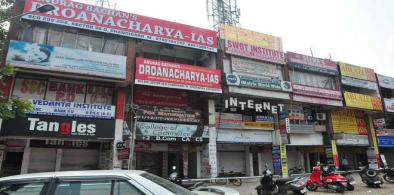
The exams for IITs, IIMs, Civil Services, in particular, are strong pointers on how traditional pedagogy and mindset of our educational institutions towards learning is found severely inadequate and deficient, and call for a paradigm shift towards critical thinking and building wider perspectives.
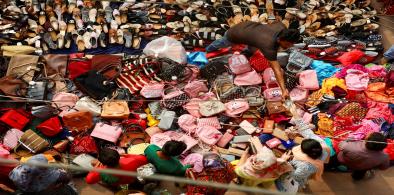
Many of the oligarchic business syndicates that formed around the deposed Sheikh Hasina are now on the run. But their vast industrial establishments remain. It is essential to sustain these industries. Millions of people are working in these establishments that are playing a critical role in the production sector of the country. These industries cannot be shut down because of the crimes of their leaders.
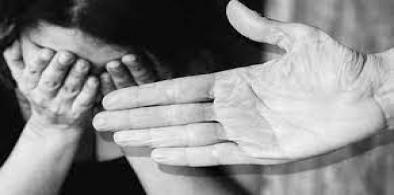
After the Nirbhaya case in India, the laws were tightened against sexual violence. We also have stringent laws against child abuse. Yet the laws have not stopped reported sexual crimes from growing as the NCRB data shows.

Indian students comprise a significant percentage of the global international student community in not just Canada, but the US, UK and Australia. Some of the changes introduced by Western governments will create challenges in the short run, but they may be good in the long term.

What became a reason for special attention was that the Madras Sappers were led by a woman officer, Major Sita Ashok Shelke. This single-woman officer in a 150-strong team worked hands-on with the locals during the construction, planning the move of stores, approving the design and ensuring a safe, speedy launch. If the men kept awake for two nights, her responsibility required an even longer spell without sleep.