South Asia’s diverse topography lends itself to greater cross-border power trade, but political inhibitions have ensured that actual progress has been less than the potential, writes N Chandra Mohan for South Asia Monitor


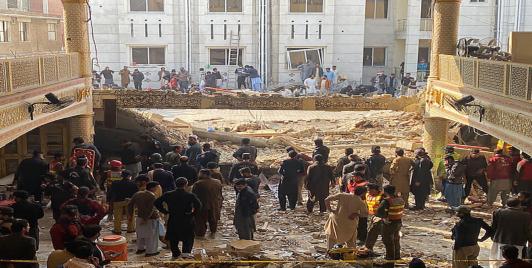
India must also recognise that Pakistan's internal security crisis has wider regional implications. Escalating Pakistan–Afghanistan tensions could create additional uncertainty along the western frontier, while attacks on Chinese projects could affect regional connectivity and investment.
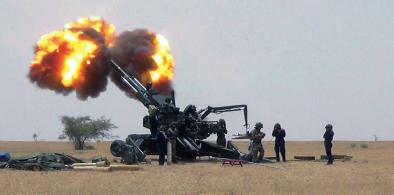
India has demonstrated that it can develop and manufacture modern artillery systems. What needs reassessment is how quickly we acquire, integrate and field them, and how effectively we ensure that new technologies communicate and operate together.
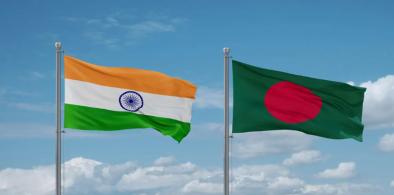
If India says the security of its Northeast, border management, trade and connectivity matter, Bangladesh can equally say that water sharing, deaths at the border, market access, energy security, river management and sovereign equality matter to it.
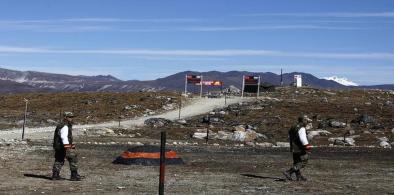
The Indian military views no disengagement in Arunachal Pradesh as part of a wider strategic recalibration, prompting India to match Chinese force rebalancing by shifting strike corps and resources equally across both northern and eastern fronts.
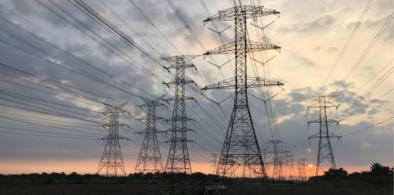
South Asia’s diverse topography lends itself to greater cross-border power trade, but political inhibitions have ensured that actual progress has been less than the potential, writes N Chandra Mohan for South Asia Monitor

Polarization over the prevailing socio-political orientation since Prime Minister Narendra Modi assumed office has been marked and a bitter sectarian fissure has emerged in India, writes Cmde C Uday Bhaskar (retd) for South Asia Monitor
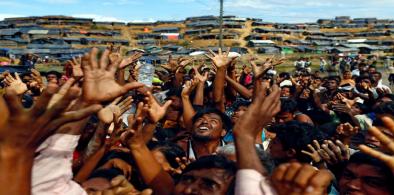
India is now a non-permanent member of the Security Council from January 2021. Following this, India has expressed interest in holding talks with Bangladesh and Myanmar on safe, dignified, and sustainable repatriation of Rohingya, writes Mohammad Rubel for South Asia Monitor
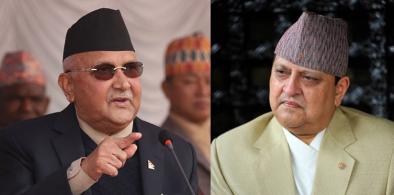
Nepal scarcely has political ground prepared for the king to return to the throne. The monarch also blatantly failed to deliver and fulfill their promises even when it had absolute power in the country's economic development, writes Bishesh Joshi and Laavesh Thapa for South Asia Monitor

Presently, there are almost two million seafarers worldwide with a significant number from the South Asian sub-continent. Indians in fact constitute the third-largest number of seafaring officers in the world, writes Cmdre Anil Jai Singh (retd) for South Asia Monitor
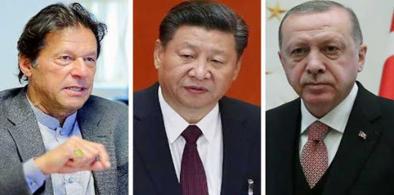
While the US and Israel is focused on Iran going nuclear, Pakistan is quietly transferring nuclear technology to Turkey. Beijing will be too happy to conduct Turkey’s first nuclear test on Chinese soil as it did for Pakistan, writes Lt Gen Prakash Katoch (retd) for South Asia Monitor

A look at the South Asia Subregional Economic Cooperation (SASEC) countries - Bangladesh, Bhutan, India, Maldives, Myanmar, Nepal, and Sri Lanka - shows the importance of effective and modern trade facilitation measures, writes Partha Pratim Mitra for South Asia Monitor

India and EU today need innovative new ideas to enhance their trade and economic cooperation, this being the key component for stronger partnership promoting economic growth in these troubled times, writes Sunil Prasad for South Asia Monitor
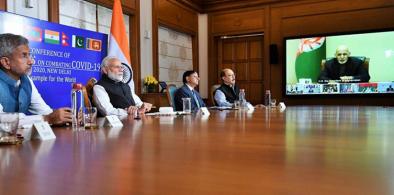
Coronavirus emergency brought together these South Asian nations as they reposed trust in SAARC. Thus, the pandemic delivered a promising indication of revitalization, writes Harsh Mahaseth & Saumya Pandey for South Asia Monitor

This is the BJP’s first success in the valley where it has always been regarded as untouchable. However, since local elections generally reflect the popularity of candidates belonging to the area, an outcome that ignores the wider political divisions is not unusual, writes Amulya Ganguli for South Asia Monitor
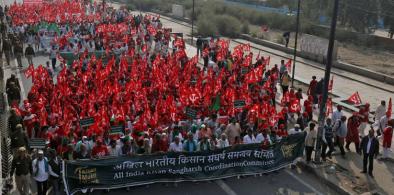
The return of active engagement with agrarian issues in university spaces is central to forging student-farmer solidarity, contends Arsh Ajmera for South Asia Monitor
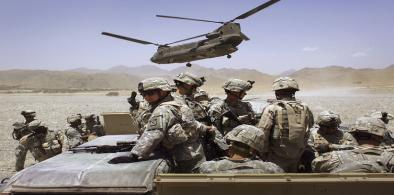
Afghanistan wants Beijing to formally apologize for China’s spy-cum-terror module caught operating in Kabul violating international norms before the Chinese detainees are released. However, China will consider this demand an affront, writes Lt Gen Prakash Katoch (retd) for South Asia Monitor
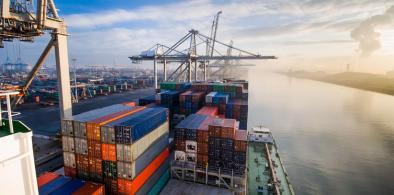
The region’s dependence on imports for production, as well as the contributions of its exports through value chains place some of its economies in an influential position within the global production and trading network, writes Partha Pratim Mitra for South Asia Monitor
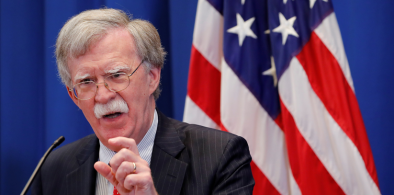
The legacy of the Pakistani state’s sponsorship of some terror groups - mainly those used to help pursue its objectives in Afghanistan and India - means that the infrastructure of terror will prove difficult to dismantle (though Islamabad has made progress in curbing terror financing networks, amid strong international pressure), writes Michael Kugelman for South Asia Monitor
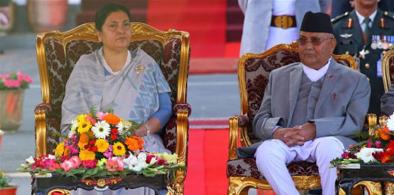
Dissent within Nepal’s Communist Party was brewing for a long time but dissolving parliament without a provision in the Constitution is unprecedented. China has invested too much in Nepal to let go of control of Nepalese politics, writes Lt Gen Prakash Katoch (retd) for South Asia Monitor