It is critical for India to make some uncomfortable choices to safeguard its strategic interests in Afghanistan, write Prashant Rastogi and Swati Sinha for South Asia Monitor


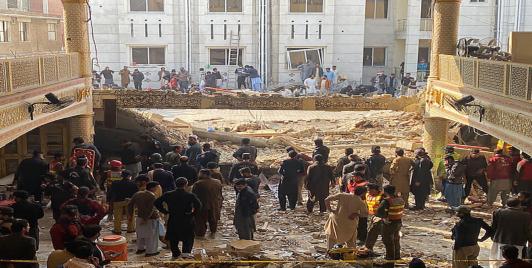
India must also recognise that Pakistan's internal security crisis has wider regional implications. Escalating Pakistan–Afghanistan tensions could create additional uncertainty along the western frontier, while attacks on Chinese projects could affect regional connectivity and investment.
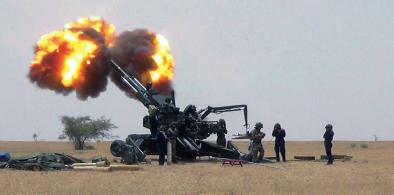
India has demonstrated that it can develop and manufacture modern artillery systems. What needs reassessment is how quickly we acquire, integrate and field them, and how effectively we ensure that new technologies communicate and operate together.
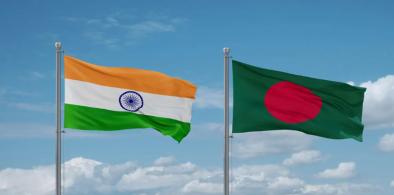
If India says the security of its Northeast, border management, trade and connectivity matter, Bangladesh can equally say that water sharing, deaths at the border, market access, energy security, river management and sovereign equality matter to it.
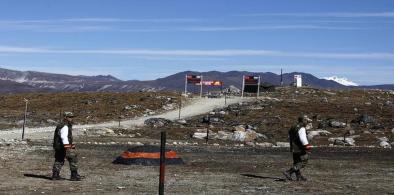
The Indian military views no disengagement in Arunachal Pradesh as part of a wider strategic recalibration, prompting India to match Chinese force rebalancing by shifting strike corps and resources equally across both northern and eastern fronts.
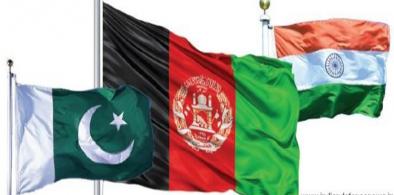
It is critical for India to make some uncomfortable choices to safeguard its strategic interests in Afghanistan, write Prashant Rastogi and Swati Sinha for South Asia Monitor
However, progress towards a USD 5 trillion economy has so far been elusive. The goalposts are also shifting. Even at the scorching pace likely in 2021-22, the economy will hit USD 5 trillion only in 2025-26, writes N Chandra Mohan for South Asia Monitor
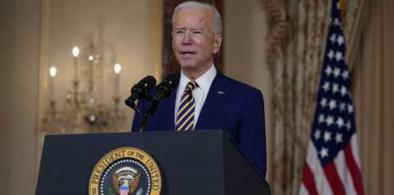
Biden's predecessor Donald Trump had made the Indo-Pacific region, the main theatre of confrontation, a focus of his strategy on China with the Quad – US, India, Japan and Australia – as an emerging force there, an alliance of democracies bookended by the US and India, writes Arul Louis for South Asia Monitor
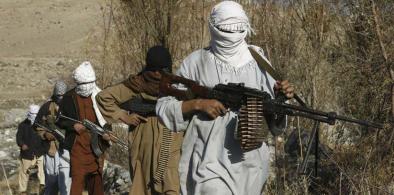
The first gathering of Afghanistan and Indian Islamic scholars was held at India Islamic Cultural Centre in New Delhi and held that the war in Afghanistan and targeting of civilian institutions was illegitimate and there is no religious justification for it, writes Sayed Ziaullah Hashimi for South Asia Monitor
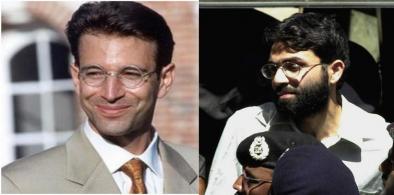
While peace in Afghanistan seems a long way off, and the two issues are not connected, the Pearl/Sheikh issue has emerged as a diplomatic hot potato, writes Mahendra Ved for South Asia Monitor
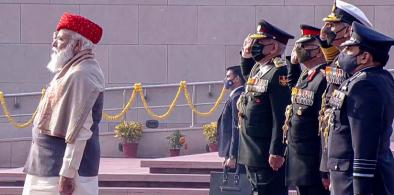
The time has come for holistic civil-military integration and synergy in India to meet the challenges of a multi-polar, multi-domain world especially with a belligerent and hegemonistic China and its ally Pakistan in our immediate neighbourhood, writes Lt Gen PR Kumar (retd) for South Asia Monitor
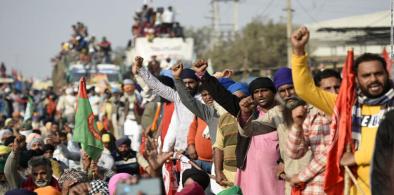
The government might have been more accommodating if it is wasn’t jittery about the political impact of a retreat at a time when the BJP faces four crucial elections where its chances are not foolproof, writes Amulya Ganguli for South Asia Monitor

Nijgadh is planned to be the largest airport in South Asia in terms of area, covering 8,045.79 hectares. While a new international airport is needed, the Nijgadh dream comes with an environmental nightmare, write Harsh Mahaseth and Pranjal Risal for South Asia Monitor
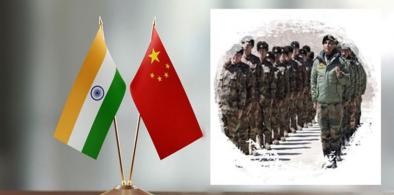
Although it is unrealistic to have too high expectations for Sino-Indian relations in 2021, it is certain that the two sides would not want to make bilateral relations further worse, writes Siwei Liu for South Asia Monitor
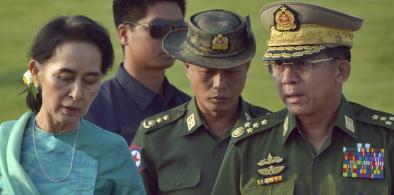
The army is upset with the NLD government for agreeing to take back from Bangladesh the Rohingya Muslim refugees in phases after a Chinese-mediated dialogue. Nearly 40,000 Rohingyas are expected to return in the first phase, writes Subir Bhaumik for South Asia Monitor
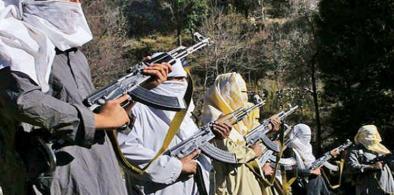
Biden needs to go through all the wrong decisions made by Trump and come out with valuable and healthy steps to maintain democracy in Afghanistan and to respect the blood its soldiers had shed, and end the war, writes Majidullah Rasooli for South Asia Monitor
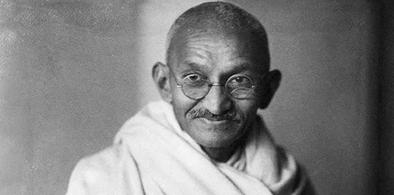
Gandhiji had a presence. That is a mark of a great soul and a very much evolved spiritual being. To Gandhiji spirituality came first; other things like politics, public life, etc. were by-products of his spirituality, writes Anil K Rajvanshi for South Asia Monitor
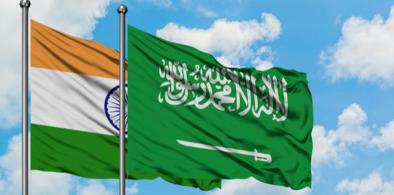
The contributions made by the Indian community in the development of Saudi Arabia have always been appreciated by the Saudi government. Keeping in view the contribution of expat Indians, the Saudi government, irrespective of their religion, treats every expat Indian equally like its own citizen, writes Asif Rameez Daudi for South Asia Monitor
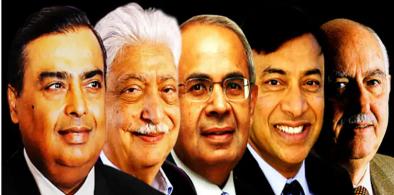
The massive and growing concentration of incomes is not good news for India's fragile social fabric as it can trigger a political backlash, writes N. Chandra Mohan for South Asia Monitor

In South Asia, while digitalisation is of a high priority intervention, the other more basic issues such as enabling access to livelihood, health and education would need to be addressed and given a much higher priority so that inequalities in per capita consumption expenditure that prevail among households are addressed immediately, writes Partha Pratim Mitra for South Asia Monitor