Pakistan seems headed to greater instability with Taliban cadres joining ISIS-K against China for genocide against Muslims in Xinjiang, writes Lt Gen P. C. Katoch (retd.) for South Asia Monitor


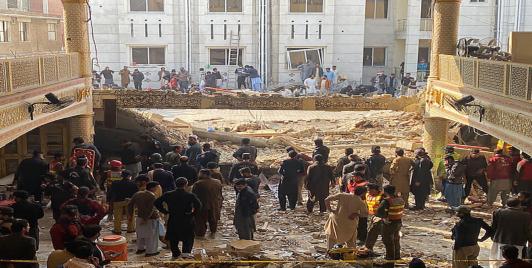
India must also recognise that Pakistan's internal security crisis has wider regional implications. Escalating Pakistan–Afghanistan tensions could create additional uncertainty along the western frontier, while attacks on Chinese projects could affect regional connectivity and investment.

India has demonstrated that it can develop and manufacture modern artillery systems. What needs reassessment is how quickly we acquire, integrate and field them, and how effectively we ensure that new technologies communicate and operate together.

If India says the security of its Northeast, border management, trade and connectivity matter, Bangladesh can equally say that water sharing, deaths at the border, market access, energy security, river management and sovereign equality matter to it.
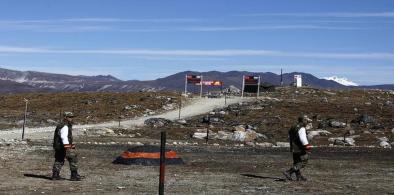
The Indian military views no disengagement in Arunachal Pradesh as part of a wider strategic recalibration, prompting India to match Chinese force rebalancing by shifting strike corps and resources equally across both northern and eastern fronts.
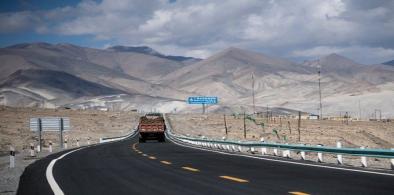
Pakistan seems headed to greater instability with Taliban cadres joining ISIS-K against China for genocide against Muslims in Xinjiang, writes Lt Gen P. C. Katoch (retd.) for South Asia Monitor
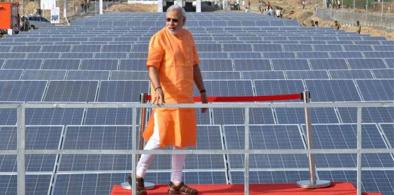
By becoming a leader in the green energy movement now, India can reap economic and climate change benefits for the nation and its citizens in the future, writes Frank F Islam for South Asia Monitor

It is a sad picture of India of the 21st century that communal fires have erupted in states as far apart as Tripura and Maharashtra, writes Jagdish Rattanani for South Asia Monitor
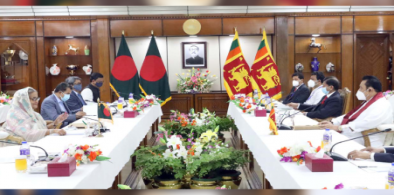
Sri Lanka and Bangladesh must sign a Free Trade Agreement (FTA) and, if needed, a Preferential Trade Agreement (PTA) to boost trade and connectivity, writes Pathik Hasan for South Asia Monitor

The Modi government in India has repealed farm laws as it does not want to pay a political price in coming state elections, writes Jagdish Rattanani for South Asia Monitor
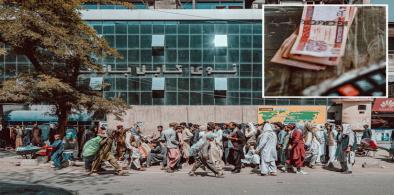
Extractive institutions ensured that the limited gains of growth in Afghanistan were cornered by political elites like warlords, writes N. Chandra Mohan for South Asia Monitor

With geopolitical rivalry in the Indian Ocean Region intensifying, China and Turkey are exploiting Pakistan’s troubled relations with India to push forward their own strategic interests, writes Niranjan Marjani for South Asia Monitor
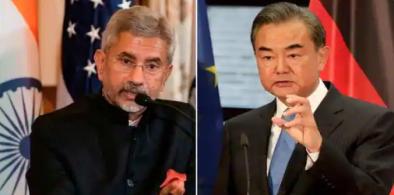
The Indian foreign minister’s statement still does not convey the strength that a bully like China would appreciate, writes Lt Gen Prakash Katoch (retd) for South Asia Monitor

Imran Khan’s move, like the Kartarpur Corridor, is bound to have the blessings of the powerful Pakistan Army, writes Mahendra Ved for South Asia Monitor
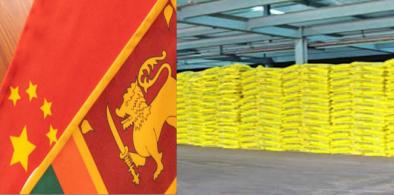
Colombo’s biggest source of China-dependence is to service its external debt; it already owes China over $5 billion in past loans, writes N. Chandra Mohan for South Asia Monitor

Becoming carbon-neutral by 2070 will not only help the world but will also make India a new industrial power, writes Anil K. Rajvanshi for South Aisa Monitor
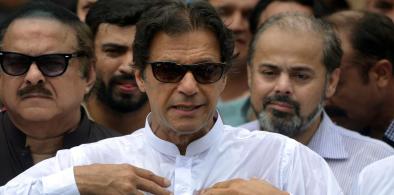
As Islamabad embraces hardline Islamists, life for minorities in Pakistan is becoming tough, writes Mahendra Ved for South Asia Monitor
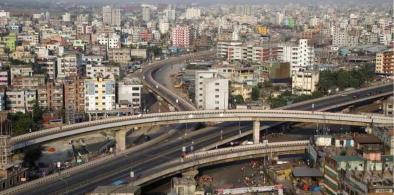
From extending aid to Sri Lanka to building mega projects, Bangladesh is transforming its image to emerge as a South Asian miracle, writes Pathik Hasan for South Asia Monitor

Kangana Ranaut is just one offshoot of an ecology where fact and truth have been systematically torn away from the national discourse to be replaced by ideologically tailored half-truths and lies, writes Mayank Chhaya for South Asia Monitor

A Pakistani film looks at the 1971 war anew and wants Islamabad and Dhaka to bond, writes Mahendra Ved for South Asia Monitor




