One of the Sustainable Development Goals of the United Nations calls for a reduction in inequality. On that count, India must exert more by making the income tax net wider and ensuring a lower indirect tax burden


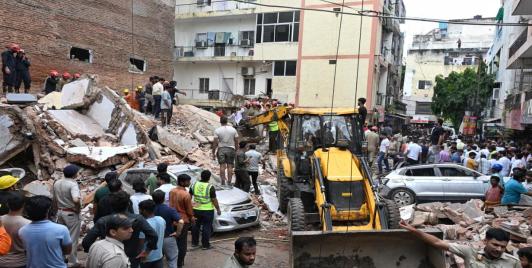
Aggressive migration of youth and workers to metro cities in search of better opportunities is common across the region. And so is the response deficit by local and central governments in providing them with basic, dignified lifestyles. The time has come for the elected representatives to think differently and narrow the gap between government schemes and results on the ground.
These achievements have positioned India as a digital governance exporter. Singapore, Nepal, Bhutan, France, Mauritius, Sri Lanka, and the United Arab Emirates have already established UPI connectivity, and more than 50 countries have expressed interest in replicating aspects of India Stack’s open digital infrastructure.
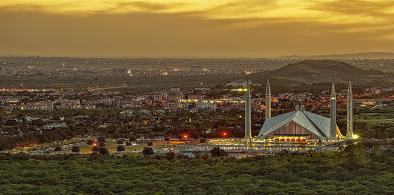
This raises the issue not whether Islamabad has surpassed its outmoded and fragmented administrative structure but whether governance would keep pace with its growth. Islamabad has to evolve from being administered as a capital city into being governed as a metropolis.

The inhabitants of Manipur have had long-standing experiences of living insecurely in their own homeland, even as migrants from the Northeast have encountered prejudice in metropolitan India....India has produced a paradox where communities that belong formally to India can also face exclusion from the social mainstream.
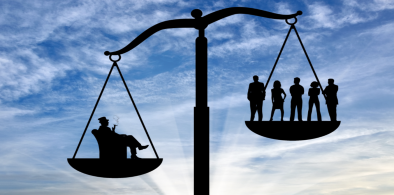
One of the Sustainable Development Goals of the United Nations calls for a reduction in inequality. On that count, India must exert more by making the income tax net wider and ensuring a lower indirect tax burden
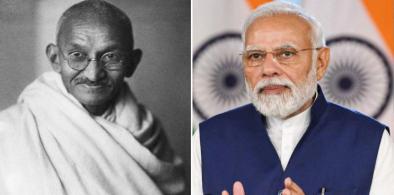
Contrast this exchange against the utterly crass and debased rhetoric, both during the election season and otherwise, that India’s political and cultural leaders, including Prime Minister Narendra Modi, employ.
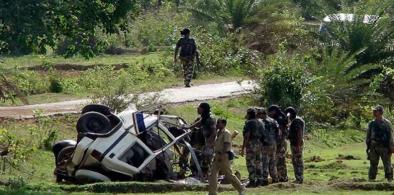
The narratives elucidate how historical marginalisation, compounded by contemporary socio-economic inequities, lays fertile ground for the propagation of Naxalite ideology, which promises liberation from caste-based oppression and economic deprivation.

The war clouds just keep getting thicker and darker. And the warmongers have so far outshouted those pleading for peace. The leaders have failed to bring any sanity, let alone ceasefire or peace talks. All this does not bode well for the Indian economy, which has already been struggling with the challenges of inflation, stagnant private investment, high youth unemployment and widening inequality.
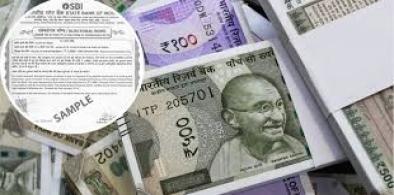
This is the inner rottenness of India’s growth story, a self-imposed colonisation of a nation that has lost its standing, never mind the growing GDP.
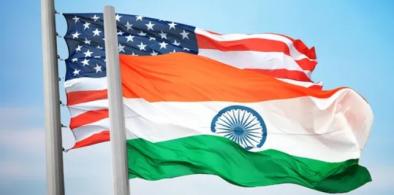
The significance of American investment is that it plays an important role in transforming India’s industrialization and paving the path to challenge China to become the next-generation supply chain hub.
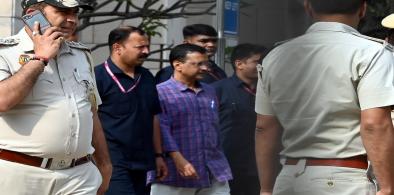
Why then is Modi sullying the glory of his third term by going to the polls with Arvind Kejriwal possibly barred from campaigning?
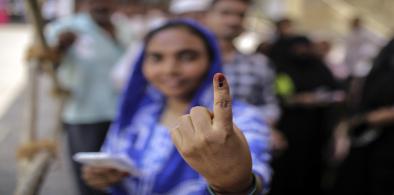
The national mood was well summed up by a cartoon that showed all others in the race locked up, with just the incumbent in the field, and then the question, half in jest: ‘Who is winning?’.
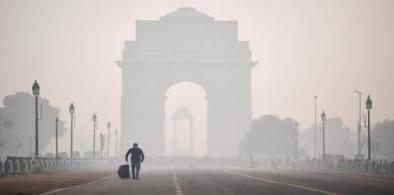
But how does one counter the Swiss-based air-quality monitoring group IQAir which reports that India was the third most polluted country in the world after Bangladesh and Pakistan in 2023 and Delhi was the “most polluted” capital in the world?
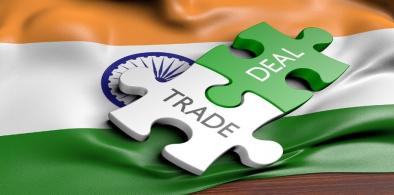
Essentially the world is looking for alternate supply chains which began with the onset of the COVID-19 pandemic and continues even today with growing trade tensions between the two camps.
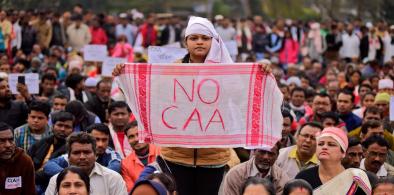
The largest persecuted groups in recent times have been Tamils (largely Hindus) in Sri Lanka and Rohingyas (largely Muslims) in Myanmar. Why have they been left out from the list of the ones who will be given shelter citizenship here in India under the CAA?
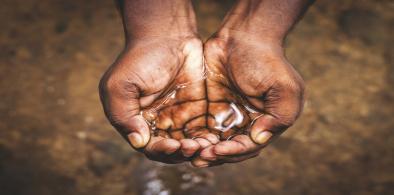
India has only 2 percent of the world’s freshwater supply but 17 percent of the world's population. The present predicament of people in Bengaluru, skipping work to stand in long queues for a bucket of water is a sobering reminder.
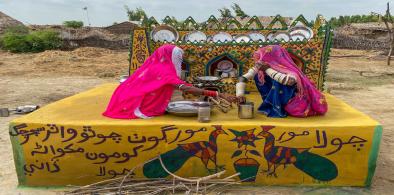
While Dalits in India face atrocity, abuse and exploitation, in Pakistan there is "discrimination and distancing in the social and economic domains," Khangarani said.

India’s basmati exports are significantly affected as over one-third of production is shipped to West Asia, Europe, North Africa and North America via the Red Sea.
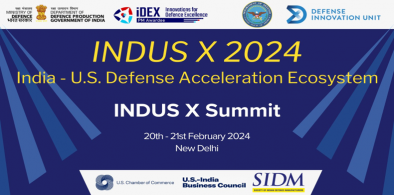
India-US defence cooperation has made fair headway leading to INDUS-X which has initiated the information network and regulatory mechanisms to deepen defence technology collaboration that is poised to strengthen the bonds of US-India partnership, innovation and deterrence.