Reforming Higher Education in India

Reforming Higher Education in India: Institutions Should Have Freedom to Innovate While Remaining Accountable

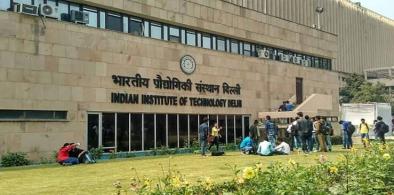
The future of Indian higher education may depend not on greater central control, but on creating autonomous institutions operating within a strong framework of accountability.

BIMSTEC’s Strategic Challenge to Pakistan: Geopolitical Recasting or Regional Fracture?

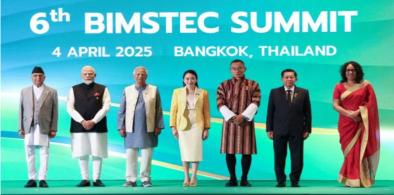
Pakistan’s absence is not without costs. Diplomatic exclusion is only one facet of the spectre that looms over the country: limited transit access, reduced prospects for integration into Bay-centric supply networks and weakened soft-power influences across the Indian Ocean littoral.

Proxy Village Governance: The Pradhan Pati Problem in India's Democracy

It has been formally recognised in the Report of the Advisory Committee on Women Pradhans, Transforming Women’s Representation and Role in Panchayati Raj Institutions: Efforts to Eliminate Proxy Participation, which recorded that elected women representatives are often “represented by their husbands or male relatives” and recommended the imposition of stringent and exemplary penalties to curb such practices.

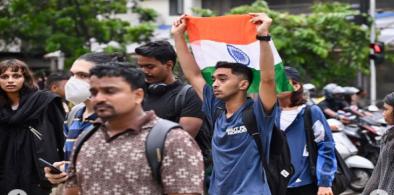
Students Must Study; But They Must Also Ask Questions and not Ignore Injustice

When the university community itself has not succeeded in resolving many serious problems confronting higher education, on what moral basis should students simply be asked to remain silent and trust the system?

More on Education and Gen Z Voices

The Ganga Water Treaty Needs More Than Renewal: It Needs Reinvention

The treaty that once symbolized diplomatic success should now become a model for climate-resilient hydro-diplomacy. The river has changed, the climate has changed, and the needs of both nations have changed. The treaty must change with them.

From Farm Chickens to Cockroaches: Why South Asia’s Gen Z Is So Restive

Until the region’s economies produce jobs, and its ministers produce respect, at the pace they produce graduates, South Asia’s Gen Z will keep finding new, and increasingly desperate, ways to be heard

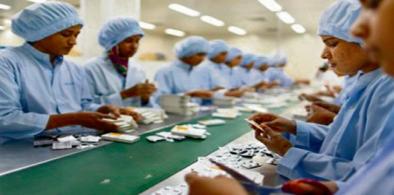
Bridging the Policy Gap: Why Northeast India Cannot Tap Bangladesh Pharma Market Across the Border?

The real question is simpler: do Indian states want to use a resource that is geographically closer, internationally certified, available already, or would they prefer to continue to suffer from a yearly deficit on the other side of the Corridor?

Green AI? The Global South Cannot Afford the Wrong Kind of Digital Growth

In the case of the Global South, this would mean designing AI according to the demands of that particular place and within the bounds of its available power. It would mean opting for small language models, frugality, and less energy-intensive infrastructure over costly mimicry of Silicon Valley.

Inside India's Modern Counter-Terrorism Strategy: The Zero-Tolerance Mandate

The government is also engaging doctors, psychologists, lawyers, civil society organisations, NGOs, religious leaders and community representatives to facilitate de-radicalisation and reintegration. Young people are encouraged to participate in constructive social activities that promote communal harmony and reduce the appeal of extremist ideologies.

Is South Asia the Next Front in the U.S.–China Rivalry?

But it may be the smaller South Asian states that feel the most pressure. Countries such as Bangladesh, Sri Lanka, Nepal and the Maldives are faced with a more polarised geopolitical environment. They want Chinese investment to boost development and keep close diplomatic and security ties with India and western partners.

Energy Cooperation: A Quiet Success Story in South Asia

A big development happened in 2025. Nepal started exporting electricity to Bangladesh through India's transmission network. This was the first time Nepalese hydropower was commercially transmitted to Bangladesh via Indian territory. The initial export volume was 40 megawatts. The significance of the agreement is much bigger. It showed that regional energy cooperation can overcome political barriers.  

The Militarization of the Digital Commons: Need for New Regulatory Solutions

In the effort to combat this multi-dimensional challenge, democratic states are faced with deep policy constraints, many of which can be paralyzing. The fundamental paradox is how to maintain the open, democratic character of the digital commons while at the same time countering more advanced opponents who are not held back by democratic principles. Disseminating disinformation is a tactic governments use to influence public opinion that has the potential to conflict with the strong constitutional freedoms of expression that exist in liberal democracies.

Why the Bay of Bengal Is Becoming the Heart of Asian Geopolitics

The rising significance of the Bay links closely to the growing Indo-Pacific concept. As the economic and strategic focus shifts toward Asia, major powers like the United States, China, India, Japan, Australia, and the European Union are paying more attention to maritime corridors connecting the Indian and Pacific Oceans.

The Changing Dynamics of India–Bangladesh Relations in South Asia

By prioritising energy security, resolving the Teesta dispute, modernising border management, and strengthening economic integration, the two countries can contribute significantly to peace and prosperity in South Asia. The manner in which India and Bangladesh manage their differences will carry implications far beyond their borders.If successful, the partnership has the potential to emerge as a major engine of regional growth and stability. The time has come for cautious resets to evolve into bold and visionary action grounded in mutual respect, trust, and shared prosperity.

Bridging Oceans, Building Regions: India–New Zealand FTA and Potential of South Asian Integration

Increased industrial activity in India could generate demand for raw materials, intermediate goods, and services from countries such as Nepal, Bhutan, Bangladesh, and Sri Lanka. Bangladesh’s textile industry could strengthen its links with Indian manufacturing networks, while Sri Lanka may gain from expanded opportunities in tourism, logistics, and services.

Why Workers Are Leaving Delhi: When Policy Needs to Align With Ground Reality

What emerges from this moment is not a singular crisis but a layered one, shaped by global disruptions, local cost pressures, and structural vulnerabilities. Workers are leaving Delhi not because the city has stopped offering work, but because it has become increasingly difficult to live sustainably in the capital city while working.

Price Tag of Deception: How Fast Fashion Exploits South Asia’s Supply Chain

It is high time South Asian countries not only pass stricter environmental regulations but also strictly enforce them, making sure that there is no factory releasing waste water without adequate treatment. Besides, upholding legally binding labour standards must also be a priority together with ensuring safety of the workplace environment.

How Korean Noodle Brands Captured the Indian Market

The Korean noodle story is not really about noodles. It is about what happens when cultural influence travels faster than commercial infrastructure and faster than regulatory awareness. India's Gen Z - and possibly that of other South Asian countries - did not wait for brands to tell them what to eat. They watched K-dramas, did spice challenges, and built market demand that brands, regulators, and consumer education campaigns have simply not kept up with.

Security for Whom? Needed a Human-Centred Approach to ‘National Security’

If “security” is to have real meaning, it must be grounded in the lived experiences of those it is intended to protect. This requires a shift from state‑centred metrics to civilian‑centred measures of stability; where continuity of daily life, equitable protection, and psychological well‑being are integral to how we define security.