No society can progress if it does not muster the courage to question taboos, particularly those which trample on human rights, dignity, and liberal values


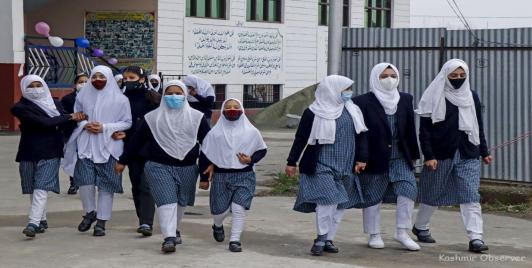
If dummy admissions, prolonged school absenteeism, and an unregulated coaching culture continue unchecked, we may end up producing students who have spent enormous amounts of time and money on education without actually receiving the education they need.
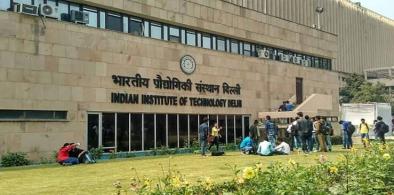
If South Asian governments urgently review and reform their education systems, the region can all benefit within 15 years from our demographic dividend and unleash the region's immense knowledge and growth potential within a generation.New education systems must be interactive and inter-operative to allow free movement of professionals, capital and labour around the region
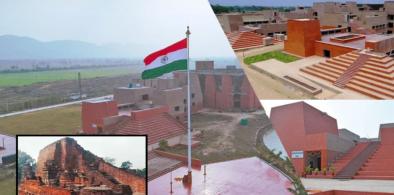
Nalanda serves as a counterweight to the historic monopoly of Western universities over social, political, and ecological theory. It invites Asian and African scholars to address regional dilemmas such as resource sovereignty, post-colonial statehood, and sustainable modernization using indigenous analytical categories.
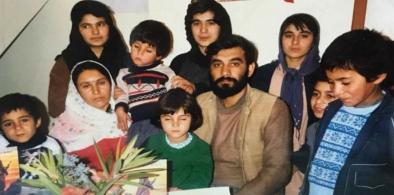
The daughters and granddaughters of these warlords, like those of several key Taliban commanders, live and study abroad. Sabori’s school in Archi is half-closed, owing to the ban on education for girls over 12 years of age. Several underground schools have sprung up where even some Taliban foot-soldiers send their daughters.

No society can progress if it does not muster the courage to question taboos, particularly those which trample on human rights, dignity, and liberal values
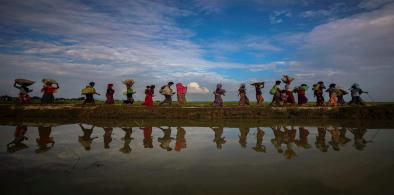
China must become the region's new peacemaker, with its approach to resolving the Rohingya situation bringing out the hesitancy of the western powers to take a decisive stand on the vexed issue
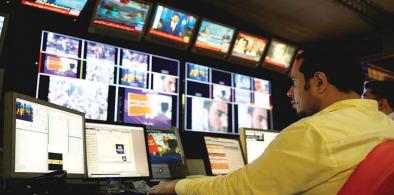
The Rural Media Network Pakistan (RMNP ) board meeting held under the chairmanship of its president Ehsan Ahmed Sehar has turned down the proposed Pakistan Media Development Authority (PMDA) unanimously
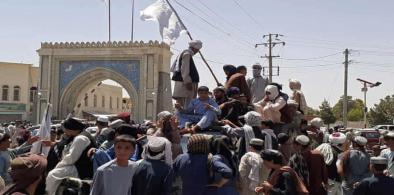
It is the core responsibility of the Muslim Ummah to rescue Afghans from the clutches of an impending civil war
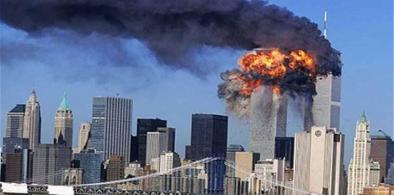
As we honor the legacies of those lives lost on September 11, 2001, we also reflect on the dramatic impact that day had on our nation and communities like ours
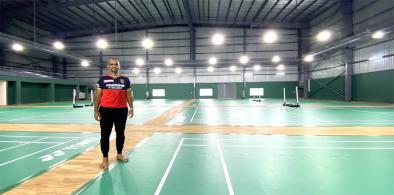
As India’s first integrated school for sports and academics, TSS is a potential winner model balancing between the needs of budding athletes to excel at their chosen sport and the kind of academic pursuits they also prefer
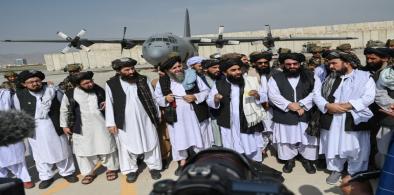
The squeeze of western donations would make it difficult for the Taliban government to pay salaries to its employees, continue welfare schemes that were started by the previous government, and contain high inflation

When some of us launched a South Asia initiative earlier this year, Hal Gould came to mind
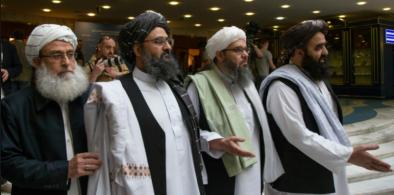
The people of Afghanistan have become pawns and everybody in power is painting this story to suit their respective national interests
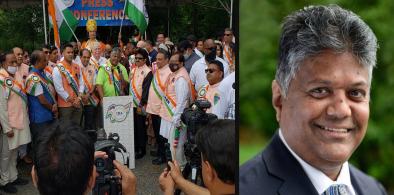
New Jersey state’s Asian population has experienced remarkable growth within the last decade
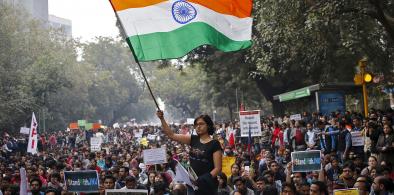
What needs to be understood is the fact that protests raise significant human rights issues that force the state to act upon its obligations to prevent, investigate, prosecute and punish those responsible
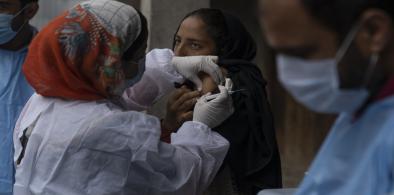
Global research has established that protection by vaccines doesn't last long anywhere near a full year, as previously hoped. It is now clear that the efficacy of all vaccines drops sharply every month after a person is fully vaccinated
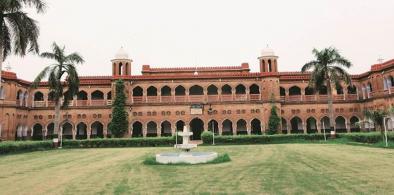
The impact of rechristening Aligarh and other towns and districts on their local communities, especially those belonging to the Muslim faith, is likely to have disastrous consequences
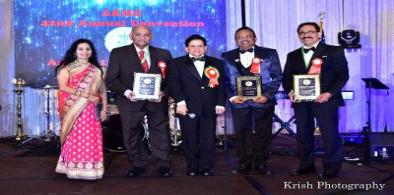
The 42nd annual Association of Kerala Medical Graduates (AKMG) convention was held from Friday, August 13 to Sunday, August 15, At the Inter-Continental Buckhead Hotel in Atlanta, Georgia

The future of mankind is to become a galactic traveling civilization and mastering the technology to do so can only come when we develop the wisdom through spirituality to use it wisely