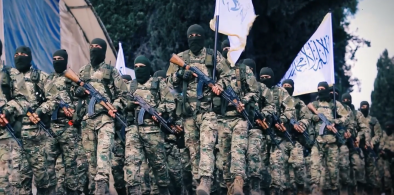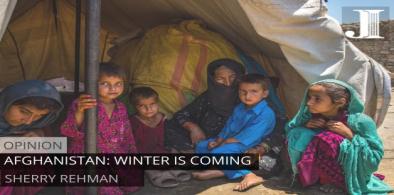

South Asia faces a perfect storm with the growing risk of an unstable Afghanistan, coupled with divided views in the international community on who must take responsibility for the strategic rubble of the American exit from the country
बांग्लादेश ने विभाजन, मुक्ति संग्राम, अकाल, बाढ़, सैन्य तख्तापलट और लोकतांत्रिक पतन—सब कुछ झेला है। वह हर बार वापस खड़ा हुआ है। लेकिन वापस लौटना और समस्याओं का समाधान करना एक ही बात नहीं है। स्वतंत्रता के छप्पन वर्ष बाद भी एक मूलभूत विरोधाभास बना हुआ है: एक ऐसा राष्ट्र जिसकी उत्पत्ति पर अब भी बहस जारी है, वह अपने भविष्य को पूरी तरह आत्मसात नहीं कर सकता। तोपों की सलामी तेज और स्पष्ट होगी, लेकिन वे जिन सवालों की गूंज पैदा करती हैं—कि बांग्लादेश क्या है, इसे किसने स्थापित किया, और किसकी दृष्टि इसका मार्गदर्शन करेगी—वे अब भी पहले की तरह मौजूद हैं।
जैसे-जैसे इमरान खान सत्तर की उम्र में जेल के भीतर प्रवेश कर रहे हैं, दांव केवल उनके व्यक्तिगत भविष्य तक सीमित नहीं हैं। यदि उनकी हिरासत जारी रहती है—या इससे भी बदतर, यदि उन्हें हिरासत में कोई नुकसान होता है—तो इसके परिणाम विस्फोटक हो सकते हैं। पहले से सुलग रहा जन आक्रोश व्यापक अशांति में बदल सकता है, जो राज्य की नियंत्रण बनाए रखने की क्षमता को चुनौती देगा।
जटिल प्रश्नों को हल करने और व्यक्तिगत लेखन शैलियों में सामग्री तैयार करने में एआई की क्षमता को देखते हुए, संस्थानों को कुछ बुनियादी सवालों पर विचार करना चाहिए—शिक्षा जगत (अकादमिक जगत) की क्या भूमिका है यह सुनिश्चित करने में कि शिक्षार्थी एआई के गुलाम न बनें, बल्कि ऐसे जागरूक ‘मालिक’ बनें जो एआई में मौजूद संभावित पक्षपात (बायस) और भ्रमजन्य उत्तरों (हैलुसिनेशन) को समझते हों, जिनका ज्ञान के अधिग्रहण और प्रसार पर गहरा प्रभाव पड़ता है?
क्या उच्च शिक्षा संस्थानों की यह सामाजिक ज़िम्मेदारी होनी चाहिए कि वे ऐसे अर्थपूर्ण पाठ्यक्रम और मूल्यांकन पद्धतियाँ सुनिश्चित करें, जो इस तेज़ी से बदलते एआई युग में विद्यार्थियों को भविष्य के लिए तैयार करें?
मोदी की यात्रा के व्यापक भू-राजनीतिक निहितार्थ भी उतने ही महत्वपूर्ण हैं। पश्चिम एशिया में भारत की बढ़ती मौजूदगी यह दर्शाती है कि भारत एक पारंपरिक गुटनिरपेक्ष भूमिका से आगे बढ़कर क्षेत्रीय मामलों में एक सक्रिय भागीदार बन रहा है। कठोर गठबंधनों के माध्यम से क्षेत्र को देखने वाली बड़ी शक्तियों के विपरीत, भारत रणनीतिक स्वायत्तता पर आधारित लचीली साझेदारियाँ चाहता है। उसका जुड़ाव Israel, खाड़ी के राजतंत्रों और Iran तक फैला हुआ है, जिससे भारत एक विविध और संतुलित कूटनीतिक पोर्टफोलियो बनाए रख सकता है।
South Asia faces a perfect storm with the growing risk of an unstable Afghanistan, coupled with divided views in the international community on who must take responsibility for the strategic rubble of the American exit from the country
Since the return of the Taliban to power, concern has been growing over the “Islamisation” of Afghan society – including the education sector.
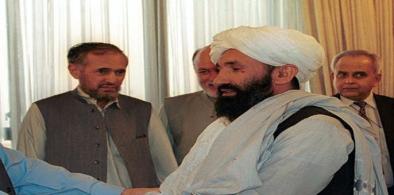
The Taliban announced on Sept. 7, 2021, that Mullah Hasan Akhund has been appointed interim prime minister of Afghanistan. The decision comes more than two weeks after the militant Islamist group seized control of much of the country, including the capital, Kabul. The Conversation asked Ali A. Olomi, a historian of the Middle East and Islam at Penn State University, to explain who Mullah Akhund is, and what his appointment may portend for Afghanistan amid concern over human rights in the war-ravaged nation.
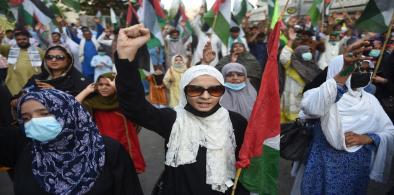
As the latest conflict between Israel and Palestine approaches the two-week mark, it’s worth asking what the crisis means for South Asia, which borders the Middle East
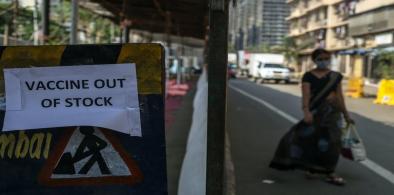
In this episode of The Conversation Weekly podcas, as India’s COVID-19 crisis continues, we look at what’s holding back the country’s vaccination rollout and how a shift in strategy on distribution and pricing is causing concern. And we speak to a researcher who went hunting for fungi in the world’s largest seed bank.
The second wave of the pandemic has struck India with a devastating impact
There have been many predictions about how many people have had COVID-19 and whether or not this or that country has reached herd immunity. We have seen this before in Manaus, Brazil, and in. The optimism is alas always misplaced and occasionally used irresponsibly
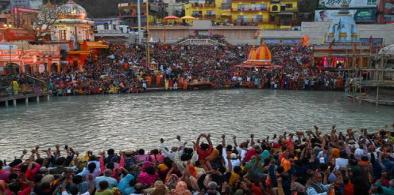
Hindu devotees attend evening prayers on the banks of the Ganges River during the religious Kumbh Mela festival in Haridwar, India
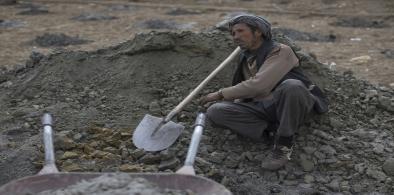
Hussain Ali Rezaie takes a break from the backbreaking labour of working his land by hand. He expresses concern about a lack of snowfall this winter in his mountainous province of Bamiyan, in central Afghanistan – and what it might mean for his potatoes
Padam does not remember when he began keeping elephants at his hotel
India has stepped up its global ambitions and foreign policy re-engagement with African countries in recent years. Its bilateral trade from $7.2 billion in 2001 to $63 billion in 2017/18. India is now the third largest export destination and the fifth largest investor on the continent
Plans to build Nepal’s biggest ever hydropower project have gone through a bewildering series of politically motivated changes since 2011
Twice a week, 50-year-old Brajasundari loads a collection of jerrycans onto a pedal cart, climbs aboard and travels three kilometres from her village Kanchrahati to buy water
The allocation of the waters of the Indus river system between the provinces of Pakistan was a historic agreement
After the Hindu festival of Dashain in October, farmers across Nepal head to their fields to harvest their prized rice paddy crop